

Rhinoplasty: aesthetics and breathing in the same operation.
Dr. Sella combines dorsal preservation, piezoelectric instruments and structural techniques to obtain natural noses that breathe well and age well. Every plan is designed in consultation from your anatomy.
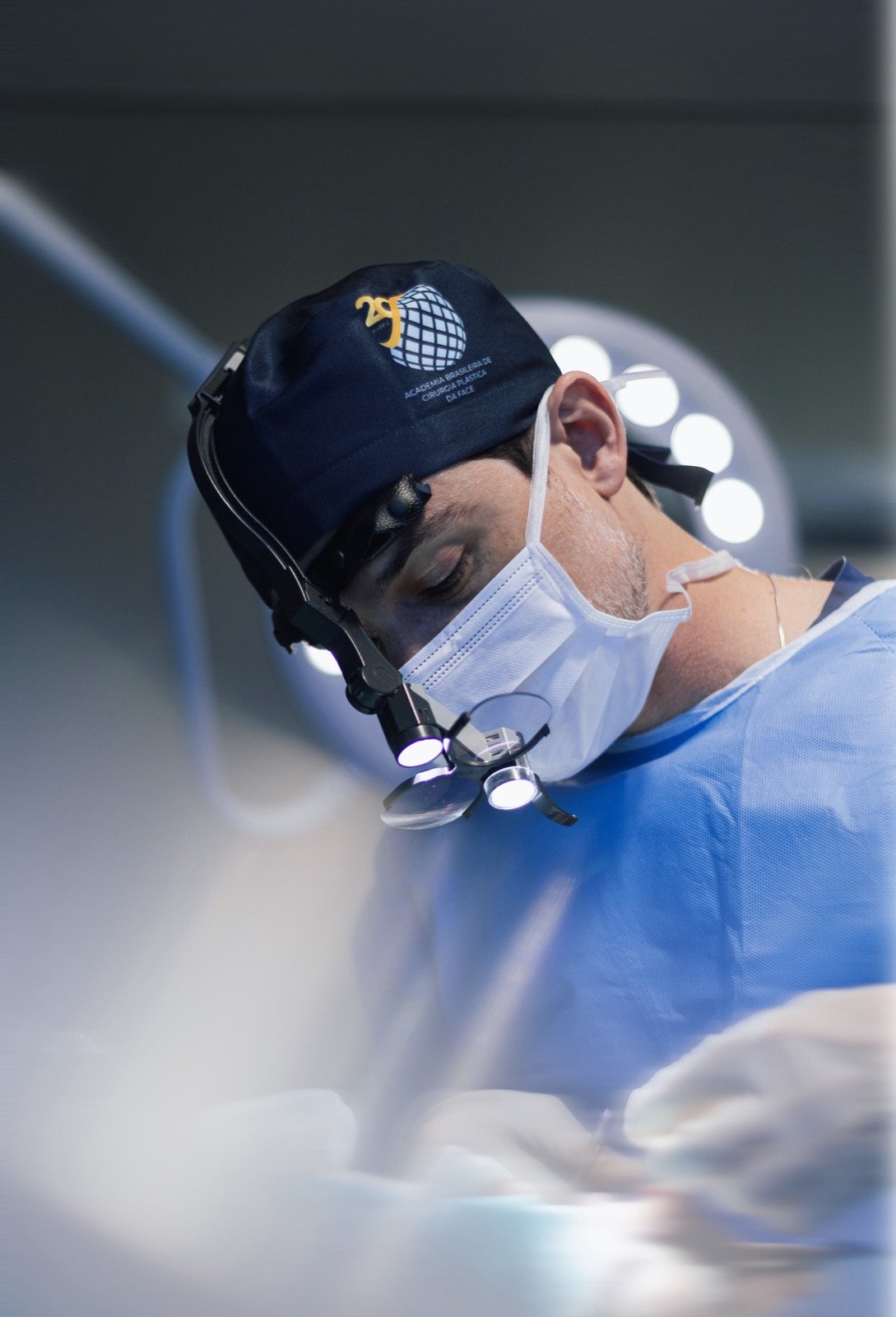
Rhinoplasty corrects the shape and function of the nose. With Dr. Guilherme Sella, in Maringá, Brazil, it is planned case by case combining dorsal preservation, piezoelectric (ultrasonic) bone sculpting and cartilage grafts when support is needed, always addressing the septum, turbinates and valves in the same operation. The consultation lasts about one hour and includes digital simulation; international patients start with a video consultation and stay about one week in town.
What rhinoplasty can correct
- Dorsal hump, wide or deviated dorsum
- Drooping, wide, bulbous or asymmetric tip
- A nose that is too large or too small for the face
- Wide or asymmetric nostrils
- Post-traumatic deformities and congenital differences
- Unsatisfactory results of previous surgery (revision rhinoplasty)
- Nasal obstruction from septal deviation, turbinates or valve collapse
The techniques Dr. Sella uses
There is no single best technique; there is the right technique for each anatomy, and often it is a combination.
- Preservation rhinoplasty: the dorsum is lowered as a single unit from below, keeping its natural lines, ligaments and skin. The core of Dr. Sella's method and teaching.
- Ultrasonic rhinoplasty: piezoelectric instruments cut and sculpt bone with sub-millimeter precision and no soft-tissue trauma. Less bruising, less swelling, predictable osteotomies.
- Structural rhinoplasty: when the nose needs support (weak tip, collapsed valves, previous surgery), cartilage grafts from the septum, ear or rib rebuild the framework. Dr. Sella trained in structural rhinoplasty in Australia.
- Functional surgery: as an ENT, he treats the septum, turbinates and valves during the same operation, without additional incisions.
The consultation
- Complaints and history, including breathing, trauma and previous surgery
- Complete physical exam, inside and out
- Standardized photographs
- Digital simulation of the expected result
- High-frequency nasal ultrasound when indicated (skin thickness, fillers, previous grafts, rib assessment)
- A written surgical plan with technique, anesthesia and recovery timeline
International patients begin with a video consultation; the in-person exam takes place 1 to 2 days before surgery. See the international patients guide.
Surgery at a glance
| Anesthesia | General, with a dedicated anesthesia team |
|---|---|
| Duration | 3 to 5 hours (revisions may take longer) |
| Approach | Open or closed, depending on the case |
| Hospital stay | Usually 12 to 24 hours at Saine Health Complex |
| Cast | External splint for about 7 days, then taping for one more week; usually no nasal packing |
| Back to desk work | 10 to 14 days |
| Exercise | After 15 days, gradually |
| Final result | 6 to 12 months |
Recovery
Pain is rare and controlled with common analgesics. Swelling and, in some cases, bruising around the eyes resolve within two weeks. Never blow your nose, sleep with the head elevated, no glasses for four weeks, and avoid sun exposure in the first month. Dr. Sella provides written instructions and a direct line to the team.
Why choose Dr. Sella
- ENT surgeon with a PhD from the University of São Paulo: aesthetics and function with the same depth
- Preservation and piezoelectric techniques as routine
- Teacher of surgeons: fellowships, live-surgery courses, online platform, invited faculty in 10+ countries
- Pre-operative high-frequency ultrasound, a differential in operated or filled noses
- Surgery in a fully equipped hospital with ICU and 24-hour intensivists
This information is educational and does not replace a medical consultation. Indications, risks and the treatment plan are individual.
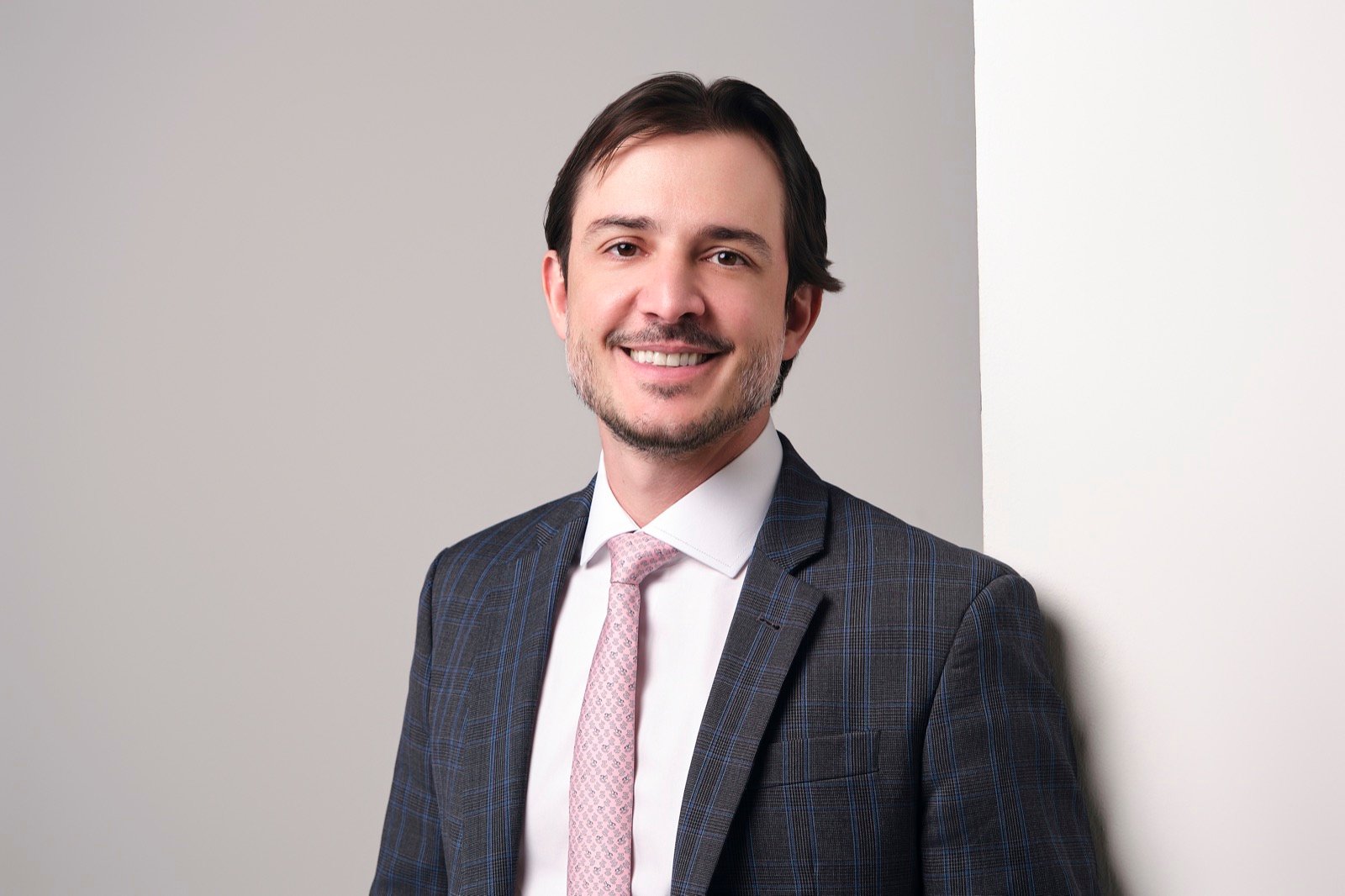
Otolaryngologist and facial plastic surgeon · CRM-PR 33.018 · RQE 17.984. PhD from FMRP-USP, founder of the Sella Learning Center. Updated on 2026-10-07.
Frequently asked questions
Open or closed rhinoplasty?
It depends on the case. The closed approach leaves no external scar and suits noses that need limited tip work. The open approach, through a few-millimeter columellar incision that fades with time, gives full exposure and is preferred for complex noses and revisions.
Will I need a graft?
In primary rhinoplasty the septum is usually enough. When it is not available (previous surgery, trauma, small septum), ear or rib cartilage is used. Pre-operative ultrasound helps choose the best rib and check for calcification.
Will my nose look exactly like the simulation?
The simulation aligns expectations and guides surgery, but real results typically match it by 60 to 70%. Small differences are expected due to skin and healing individuality.
What is the revision rate?
In the literature, 5 to 15% of rhinoplasties need some refinement, usually after one year. Preservation techniques and piezoelectric instruments help reduce that need.
How much does rhinoplasty cost in Brazil with Dr. Sella?
The fee is individual and quoted after the consultation, since it depends on technique, operating time and grafts. The proposal includes the surgical team, hospital, anesthesia and follow-ups.
Book a consultation with Dr. Guilherme Sella
In-person in Maringá, Brazil, or by video consultation. The team speaks English, Spanish and Portuguese.