

Preservation rhinoplasty: correct without destroying.
Instead of removing the hump and rebuilding the dorsum piece by piece, preservation lowers the whole dorsum while keeping its natural lines. It is the philosophy behind Dr. Sella's practice and teaching.
Preservation rhinoplasty is the technique in which the nasal dorsum is lowered as a single piece through maneuvers performed beneath it, instead of being removed and reconstructed. It keeps the original dorsal aesthetic lines, the ligaments and the skin, producing more natural noses with fewer irregularities and a faster recovery. Dr. Guilherme Sella uses it as his main approach in primary noses with a hump and teaches it in courses, fellowships and the Mastering Preservation platform.
Preserve instead of resect
In conventional (resection) rhinoplasty, the hump is removed, the roof of the nose is opened and the surgeon must rebuild it with osteotomies and grafts. It works, but it means reconstructing what was destroyed and can lead to irregularities, inverted-V deformity and an operated look.
In preservation, the logic is reversed: a strip of septum is removed beneath the dorsum and bone cuts release the nasal pyramid. The whole dorsum then descends (push down or let down), and the hump disappears without touching the aesthetic lines.
What is preserved
- The dorsum and its lines seen from the front and profile
- The ligaments that support and position the tip
- The skin and soft tissue envelope, undermined as little as possible
- The internal valve area, essential for breathing
Advantages
- More natural result, without the operated look
- Lower risk of irregularities and inverted-V deformity
- Less swelling and a gentler recovery, especially combined with piezoelectric instruments
- Less need for dorsal grafts
- Breathing preserved or improved
Who is a candidate
Ideal for primary noses with a hump and good dorsal lines. Severely deviated, very wide or previously operated dorsums may require hybrid strategies that combine preservation with structural elements. Dr. Sella defines the strategy in consultation, with simulation and, when needed, ultrasound.
Dr. Sella's method
His practice and teaching revolve around combining dorsal preservation, piezoelectric bone work and tip ligament preservation. This is the content of the Preservation Ultrasonic Rhinoplasty Course, the Mastering Preservation platform and the Sella Learning Center fellowships. In 2021 he published "Indications for Preservation Rhinoplasty" in Facial Plastic Surgery.
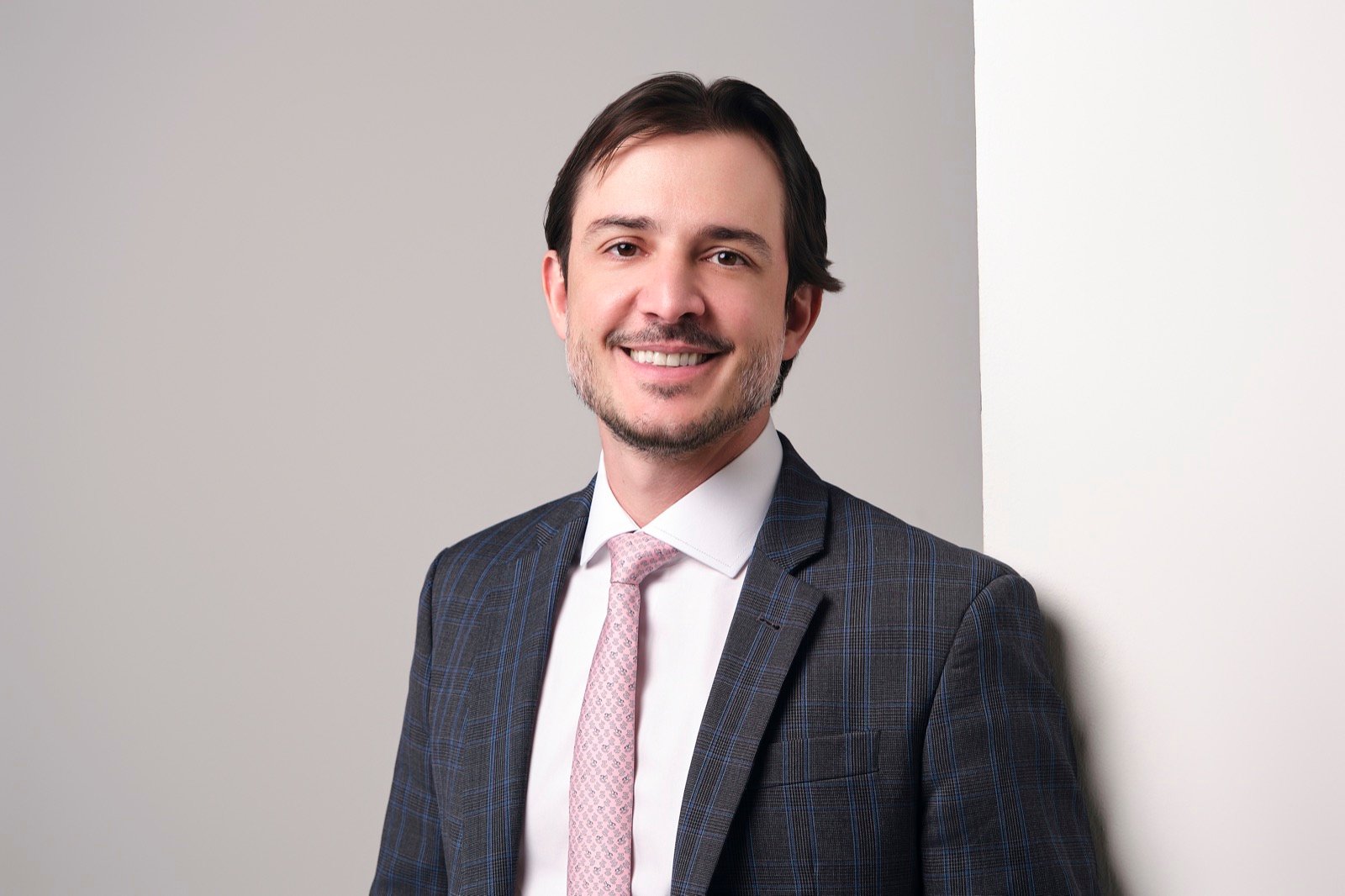
Otolaryngologist and facial plastic surgeon · CRM-PR 33.018 · RQE 17.984. PhD from FMRP-USP, founder of the Sella Learning Center. Updated on 2026-10-07.
Frequently asked questions
Does preservation work for a large hump?
Usually yes. High humps are the classic indication: the whole dorsum descends and the hump disappears. Severely deviated dorsums may need additional maneuvers.
Does it improve breathing?
It preserves the internal valve area, which is often compromised in conventional resection, and is combined with septal and turbinate correction when necessary.
Can preservation be used in revisions?
In revisions the dorsum has often been resected, limiting pure preservation. Preservation principles (ligaments, skin) still apply in nearly every case.
Book a consultation with Dr. Guilherme Sella
In-person in Maringá, Brazil, or by video consultation. The team speaks English, Spanish and Portuguese.