

Revision rhinoplasty: a second chance for your nose.
Revising an operated nose demands experience, ultrasound planning and, frequently, cartilage grafts. Dr. Sella receives revision patients from across Brazil and abroad.
Revision (secondary) rhinoplasty corrects problems left by a previous rhinoplasty: dorsal irregularities, inverted-V deformity, drooping or asymmetric tip, saddle nose, retracted nostrils or nasal obstruction. It is more complex than primary surgery because of scarring, missing cartilage and altered anatomy. Dr. Guilherme Sella plans each revision with nasal ultrasound, generally waits 12 months after the previous operation and rebuilds with septal, ear or rib cartilage.
Signs a revision may be indicated
- Visible or palpable dorsal irregularities, steps or inverted V
- Drooping, pinched, over-rotated or asymmetric tip
- Saddle nose or over-shortened nose
- Retracted or asymmetric nostrils, hanging columella
- Worse breathing after surgery
- A result that does not match what was agreed
Why wait 12 months
The nose keeps changing for up to a year: tip swelling subsides, cartilages settle and scars mature. Operating earlier means correcting a result that does not yet exist. Exceptions (severe deformity, significant obstruction) are assessed case by case.
Ultrasound in planning
In operated noses, Dr. Sella uses high-frequency ultrasound to see what the skin hides: previous grafts and their position, fillers (hyaluronic acid, PMMA, silicone), skin thickness and columellar blood supply. Hyaluronic acid is dissolved before surgery; other materials require individual assessment.
How the revision is done
- Release of scar tissue and identification of the remaining framework
- Reconstruction with cartilage grafts (structural rhinoplasty)
- Dorsal refinement, often with piezoelectric instruments
- Septal, turbinate and valve correction to restore breathing
- Tip work with sutures and support grafts
When the septum has already been used, cartilage comes from the ear or, in larger reconstructions, from the rib (2 to 4 cm incision that can be hidden in the inframammary fold).
Realistic expectations
Revision significantly improves most noses, but previously operated skin heals less predictably, and absolute perfection is not something an honest surgeon can promise. Dr. Sella discusses what is possible, what is likely and what is not.
International revision patients
Many revision patients travel to Maringá. The first assessment is done online with photos and the previous operative report; ultrasound and physical exam are done in person before surgery. See the international patients guide.
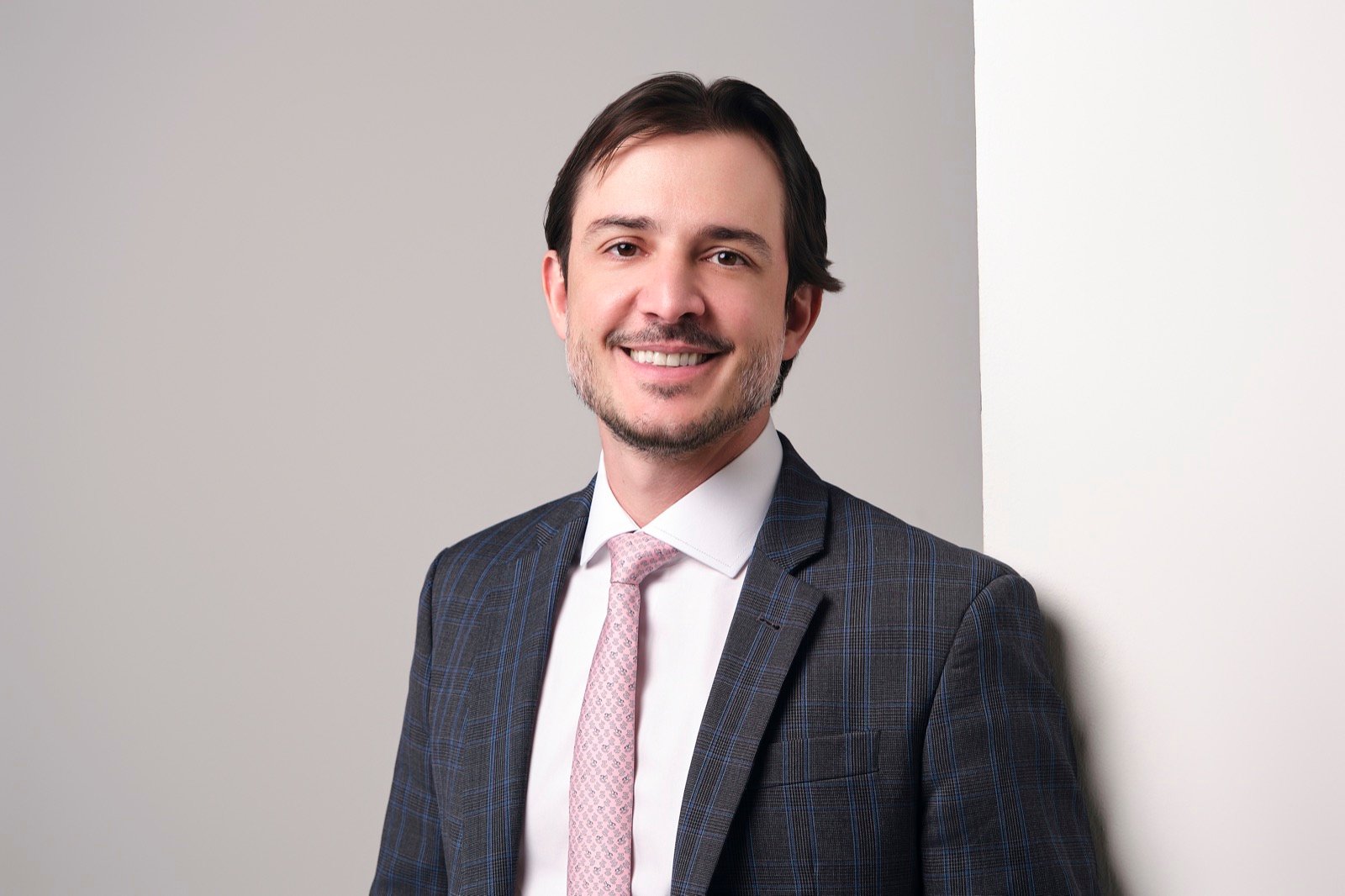
Otolaryngologist and facial plastic surgeon · CRM-PR 33.018 · RQE 17.984. PhD from FMRP-USP, founder of the Sella Learning Center. Updated on 2026-10-07.
Frequently asked questions
Can you revise a nose operated by another surgeon?
Yes. It is common for patients to seek a second surgeon for revision. Bring the operative report of the previous surgery if you have it.
Does revision surgery take longer?
Yes. Revisions usually exceed the 3 to 5 hours of a primary rhinoplasty, especially when rib cartilage is harvested.
I have filler in my nose. Can I have surgery?
Hyaluronic acid is dissolved with hyaluronidase before surgery. PMMA, silicone and other permanent materials require individual assessment with ultrasound.
Book a consultation with Dr. Guilherme Sella
In-person in Maringá, Brazil, or by video consultation. The team speaks English, Spanish and Portuguese.