

Five days inside a preservation rhinoplasty practice.
A small-group hands-on course for ENT, plastic and maxillofacial surgeons who want to add dorsal preservation and piezoelectric technique to a real, high-volume rhinoplasty routine.
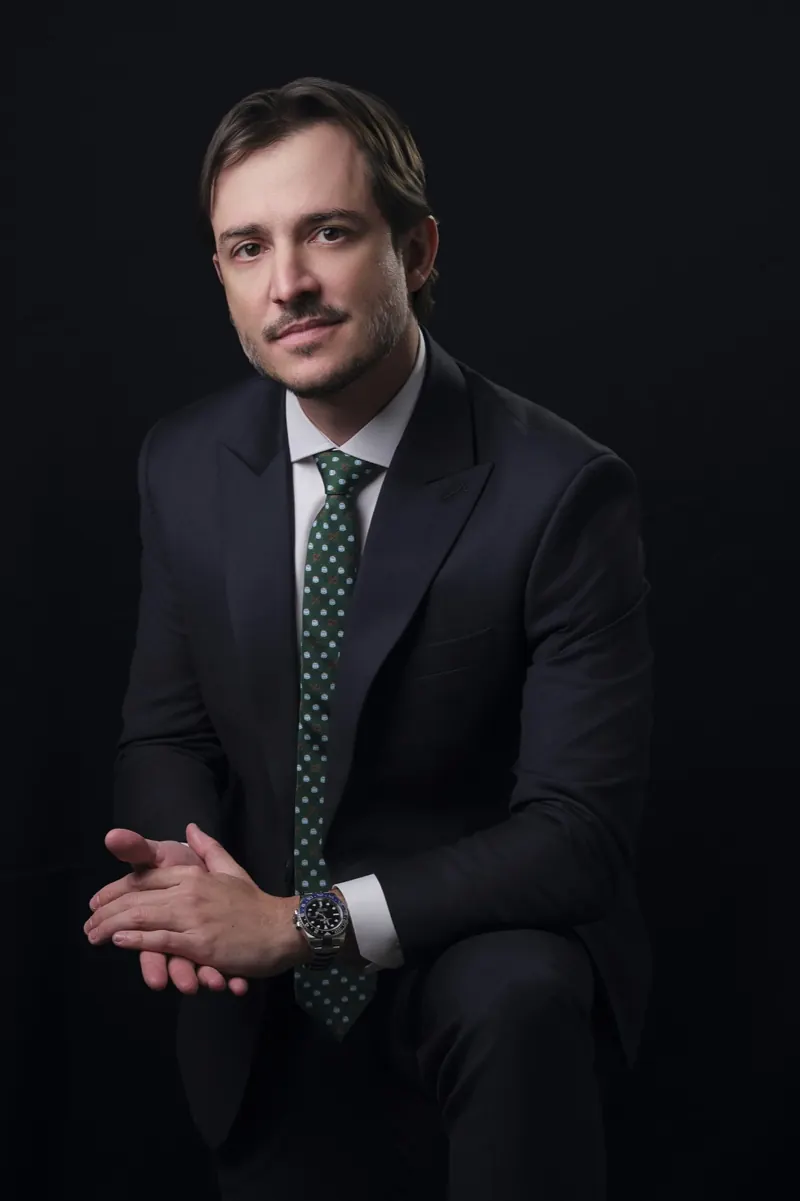
The Preservation Ultrasonic Rhinoplasty Course, also called Preservation Week, is a 4 to 5 day immersion led by Dr. Guilherme Sella in Maringa, Brazil. Each edition takes only 5 to 6 surgeons, so the group follows 5 live rhinoplasties from planning to dressing, plus a fresh cadaver dissection lab and office sessions with preoperative analysis and postoperative follow-up. The focus is dorsal preservation, push down and let down, piezoelectric instruments, preoperative high-frequency skin ultrasound and structural grafting when preservation is not indicated.
What the Preservation Ultrasonic Rhinoplasty Course is
The course is a short, high-density immersion in one surgeon's rhinoplasty practice. It runs for 4 to 5 days in Maringa, Parana, Brazil, and accepts only 5 to 6 participants per edition. The small number is deliberate. With five or six surgeons, everyone stands close to the operating table, everyone asks questions during the case, and the discussion after each surgery is a conversation rather than a lecture.
The week is built around 5 live rhinoplasties, a fresh cadaver dissection lab, and time in the office. You see how patients are analysed before surgery, how the technique is chosen, how the operation is executed, and how the same patients are followed afterwards. That full loop is what most weekend congresses cannot offer.
The program belongs to the Sella Learning Center, which also runs a 12-month fellowship, a weekly mentorship and an online platform.
Who should attend
The course is designed for physicians who already operate on the nose or are starting to.
- Otolaryngologists who perform septoplasty and functional surgery and want to move into aesthetic and structural rhinoplasty.
- Plastic surgeons trained in classic reduction rhinoplasty who want to understand dorsal preservation, its indications and its limits.
- Maxillofacial surgeons already familiar with facial osteotomies and piezoelectric instruments.
- Fellows and residents in the final stage of training who want exposure to a high-volume practice.
It is a course for doctors. It is not open to patients, students outside medicine or aesthetic professionals. A working knowledge of nasal anatomy and operating room routine is assumed. Teaching is given in Portuguese, English or Spanish, depending on the group.
Who teaches
The course is led by Dr. Guilherme Constante Preis Sella, CRM-PR 33.018, RQE 17.984. He trained in otolaryngology at HCFMRP-USP in Ribeirao Preto, completed a direct doctorate in Morphophysiology of Facial Structures at the same institution in 2018, and did a fellowship in structured rhinoplasty in Melbourne and Sydney. He has performed more than 1,500 rhinoplasties.
He is a full member of ABORL-CCF and of the Brazilian Academy of Facial Plastic Surgery, where he serves as deputy treasurer, and a founding member of the Brazilian Society of Rhinoplasty. He has co-authored six PubMed-indexed papers, including Expanding Indications to Dorsal Preservation Rhinoplasty and Brazilian Approach to Dorsum Preservation in Facial Plastic Surgery Clinics of North America, listed on the publications page. He has taught as invited faculty in more than ten countries, including Turkey, the United States, Spain, Mexico, Peru, Argentina and Ecuador.
The program, day by day
The schedule is confirmed with each group, because it depends on the surgical cases booked for that week. A typical edition follows this structure.
| Block | Content |
|---|---|
| Opening session | Facial analysis, standardised photography, digital simulation, indications and contraindications for dorsal preservation |
| Office block | Preoperative consultations, high-frequency skin ultrasound of the nose, surgical planning out loud |
| Operating room | Live rhinoplasties at the hospital, step by step, with narration and questions during the case |
| Case debrief | Review of each operation, decisions taken, what would change in a different nose |
| Cadaver lab | Fresh cadaver dissection: osteotomies with piezoelectric instruments, push down and let down, septal work |
| Closing session | Secondary rhinoplasty, structural grafting, complication management, postoperative protocol |
Postoperative visits are part of the week. You see patients at seven days, at three months and at one year, which is the only honest way to judge a technique.
The techniques covered
The backbone of the course is dorsal preservation rhinoplasty: push down, let down, their variations, and the selection criteria that decide between them. Equal attention goes to the cases where preservation is the wrong choice.
You also work through:
- Ultrasonic rhinoplasty with piezoelectric instruments, for precise bone cuts with less trauma to soft tissue.
- Structural techniques with septal, auricular and costal cartilage grafts.
- Tip surgery with preservation of the ligaments and the soft tissue envelope.
- Secondary and revision rhinoplasty, including reading the previous operation from imaging and examination.
- Functional surgery: septoplasty, turbinate reduction and valve repair integrated into the aesthetic plan.
- Preoperative high-frequency skin ultrasound to measure skin thickness, detect previous fillers and grafts, assess columellar vascularisation and help choose the costal segment.
How the course compares with the other programs
| Program | Duration | Format | Best for |
|---|---|---|---|
| Preservation Ultrasonic Rhinoplasty Course | 4 to 5 days | 5 live surgeries, cadaver lab, 5 to 6 surgeons | A focused immersion in preservation and piezo technique |
| Weekly mentorship | 1 week | About 5 surgeries and 4 office sessions, individual | Observing a full routine one to one |
| Fellowship | 12 months | Continuous training for otolaryngologists, with ABCPF and ABORL-CCF certification | Building rhinoplasty as a career line |
| Mastering Preservation | Online, self-paced | Video modules in Portuguese, English and Spanish, first lesson free | Studying before or after an in-person course |
More than 50 physicians have already attended the weekly mentorship format.
Travel and practical details
Surgeries take place at Saine Health Complex, a boutique hospital in Maringa with 7,500 square metres, eleven operating rooms, adult and neonatal ICU and full-time intensivists. Office sessions happen at Clinica Renassance, Av. Cidade de Leiria, 600, Zona 01, Maringa.
Maringa has its own airport, MGF, with direct flights from Sao Paulo and Curitiba. International participants usually connect through Sao Paulo. Arriving one day before the course starts is recommended. The team can suggest hotels near the clinic and help with the letter of invitation when a visa requires it.
Participants attend as observers in the operating room, with the written consent of each patient and following the hospital's rules. The hands-on component happens in the cadaver lab.
How to apply for the next edition
Editions are scheduled through the year and fill according to the surgical calendar. Because each group takes only five or six surgeons, registration is confirmed by direct contact with the team.
- Send your professional registration number, specialty and current rhinoplasty volume.
- Ask for the available dates and the confirmed format of the next edition.
- Reserve your place and plan travel once the week is confirmed.
Write to the team on WhatsApp at (44) 99121-2021 or by email at drguilhermesella@gmail.com. Details of the in-person week are on the Preservation Week page, and the contact page has the full address and directions.
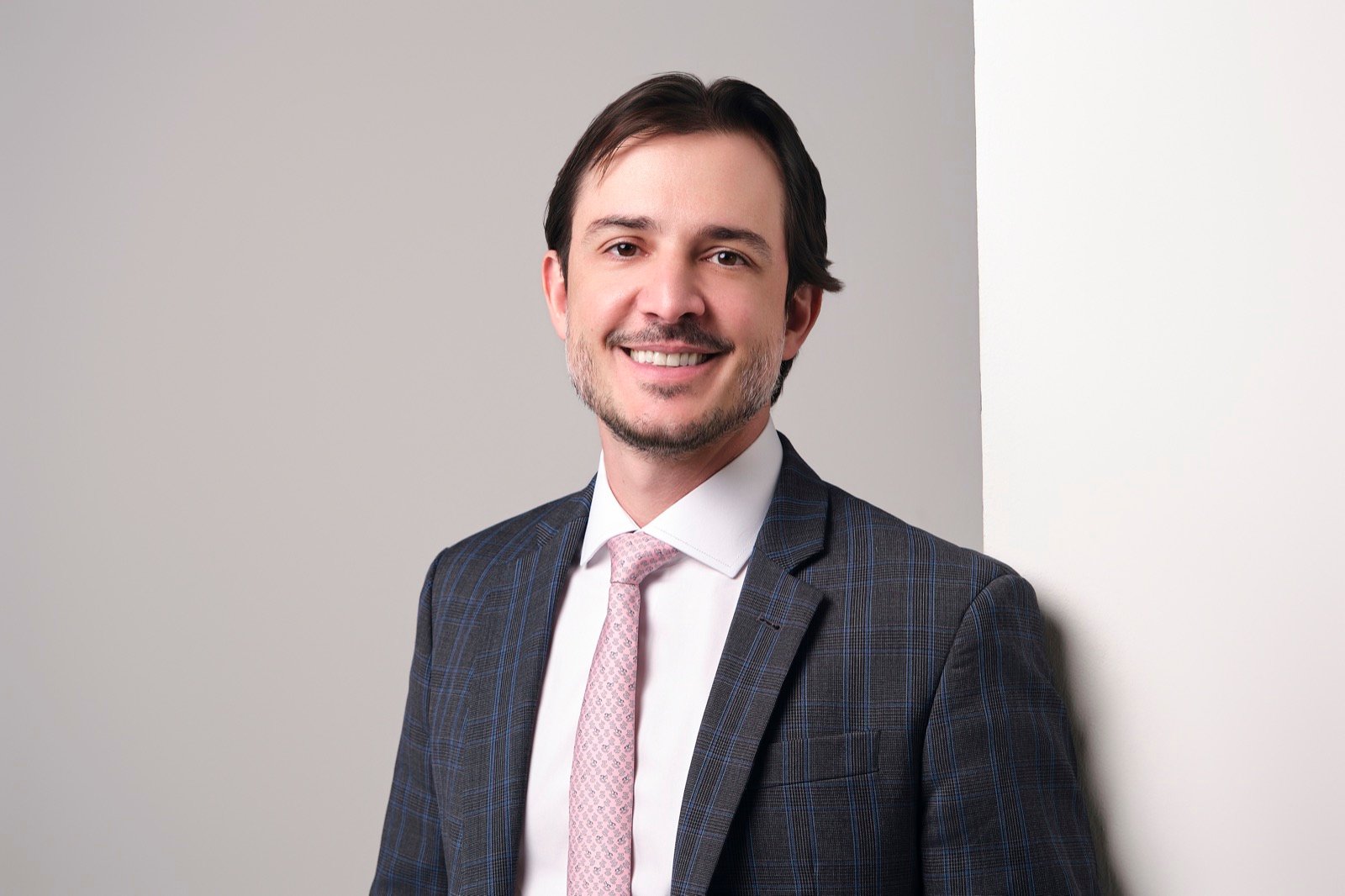
Otorrinolaringologista e cirurgião facial · CRM-PR 33.018 · RQE 17.984. Doutor pela FMRP-USP, fundador do Sella Learning Center. Atualizado em 2026-10-07.
Perguntas frequentes
How many surgeons are accepted in each edition?
Each edition takes 5 to 6 surgeons. The small group keeps everyone close to the operating table and allows direct discussion during and after each case.
Is the course hands-on or observational?
Both. Live surgeries are observed in the operating room with narration and questions, while the hands-on practice happens in the fresh cadaver dissection lab.
Do I need previous rhinoplasty experience to attend?
The course is aimed at physicians who already operate on the nose or are in the final stage of training. A working knowledge of nasal anatomy and operating room routine is assumed.
In which language is the course taught?
Teaching is delivered in Portuguese, English or Spanish, according to the group. Dr. Sella speaks all three languages.
Where do the live surgeries take place?
At Saine Health Complex, a boutique hospital in Maringa with eleven operating rooms, adult and neonatal ICU and full-time intensivists. Office sessions are held at Clinica Renassance.
Is there an online option before travelling?
Yes. The Mastering Preservation platform offers video modules in Portuguese, English and Spanish, with the first lesson available at no cost, and works well as preparation for the in-person week.
Fale com a equipe do Sella Learning Center
Fellowship, mentoria, Preservation Week e plataforma online.