

Training in preservation rhinoplasty, in Brazil.
Four structured formats in Maringá, Paraná, built for ENT, plastic and maxillofacial surgeons who want to see dorsal preservation, ultrasonic rhinoplasty and structural grafting in daily practice.
The Sella Learning Center in Maringá, Brazil, runs four rhinoplasty training formats: a 12-month fellowship for otolaryngologists, with certification by the ABCPF and ABORL-CCF; a weekly mentorship built around roughly five surgeries and four clinic sessions; the Preservation Week course, with five live surgeries and fresh cadaver dissection for five to six surgeons; and the online platform Mastering Preservation. Teaching is led by Dr. Guilherme Sella, ENT surgeon, PhD from HCFMRP-USP and author of papers on dorsal preservation. Sessions run in Portuguese, English and Spanish, and each format is confirmed directly with the team.
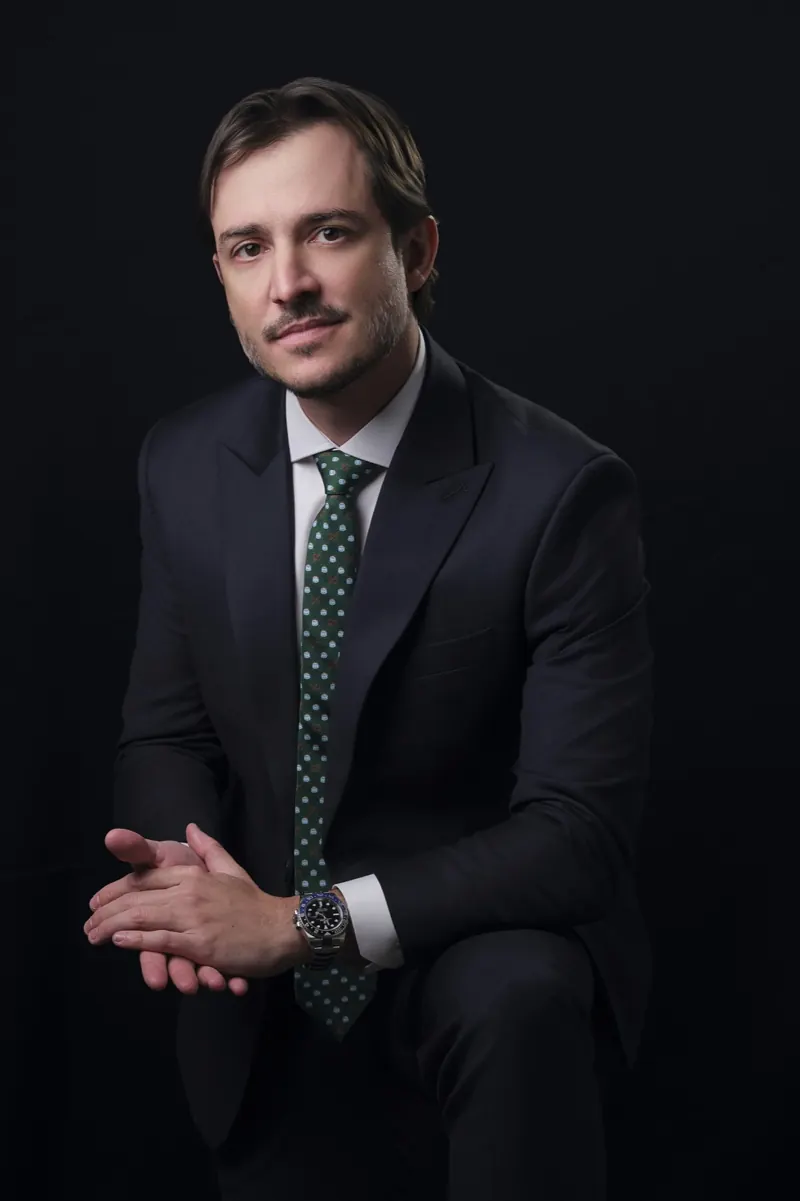
What a rhinoplasty fellowship in Brazil usually means
If you search for a rhinoplasty fellowship in Brazil, you will find two very different things. The first is a formal, year-long post linked to a service and to a specialty society, usually open to surgeons already certified in Brazil. The second is a preceptorship or structured visitorship, lasting from a few days to a few weeks, designed for surgeons who already operate in their own country and want focused exposure to a specific technique.
International surgeons almost always fit the second category. The reason is regulatory. Practising medicine in Brazil requires registration with a state medical council, so a visiting surgeon from abroad participates as an observer in the operating room and performs hands-on work in cadaver laboratory settings. This is the standard model worldwide and it is worth clarifying before you book flights.
Who teaches at the Sella Learning Center
The programs are coordinated by Dr. Guilherme Sella, an otolaryngologist with residency at HCFMRP-USP, a direct doctorate in Morphophysiology of Facial Structures completed at the same institution in 2018, and a fellowship in structured rhinoplasty in Melbourne and Sydney. He is a full member of the ABORL-CCF and of the Brazilian Academy of Facial Plastic Surgery, a founding member of the Brazilian Society of Rhinoplasty, and has taught as invited faculty in more than ten countries, including Turkey, the United States, Spain, Mexico, Peru, Argentina and Ireland.
The academic background matters for a course on preservation. He co-authored "Indications for Preservation Rhinoplasty: Avoiding Complications" in Facial Plastic Surgery (2021), "Brazilian Approach to Dorsum Preservation" (2023) and "Expanding Indications to Dorsal Preservation Rhinoplasty" (2025), both in Facial Plastic Surgery Clinics of North America. The full list is on the publications page. Teaching is therefore built on a defined technical line rather than on a mixed menu of unrelated manoeuvres.
The four formats at a glance
| Format | Duration | Who it is for | Core content |
|---|---|---|---|
| Annual fellowship | 12 months | Otolaryngologists; certification by ABCPF and ABORL-CCF | Full clinical and surgical immersion, facial surgery, academic activity |
| Weekly mentorship | 1 week | ENT, plastic and maxillofacial surgeons, including from abroad | About 5 surgeries and 4 clinic sessions, case discussion, planning |
| Preservation Week | 4 to 5 days | 5 to 6 surgeons per edition | 5 live surgeries, fresh cadaver dissection, piezo and preservation |
| Mastering Preservation | Online, self-paced | Any surgeon who operates on the nose | Video lessons in Portuguese, English and Spanish; first lesson free |
More than fifty physicians have already attended the weekly format. Details of each program are described on the teaching page.
The 12-month fellowship
The annual fellowship is the longest commitment. It is addressed to otolaryngologists and carries certification by the ABCPF and the ABORL-CCF, which ties it to Brazilian specialty credentials. The fellow follows the full cycle: first consultations, photographic documentation, digital simulation, preoperative planning, surgery and the follow-up visits at one, three, six and twelve months.
That continuity is the real value. Rhinoplasty is judged late. Seeing the same nose at the one-week dressing removal and again at twelve months changes how a surgeon plans dorsal reduction, tip support and graft volume.
Weekly mentorship, the usual route from abroad
For a surgeon travelling from Europe, Latin America or North America, the weekly mentorship is normally the practical choice. The week is built around roughly five surgeries at the Saine Health Complex, a boutique hospital in Maringá with eleven operating rooms, plus four clinic periods at Clínica Renassance.
What you observe in a typical week:
- Dorsal preservation in its two main variants, push down and let down, with the selection criteria discussed case by case. See preservation rhinoplasty.
- Ultrasonic rhinoplasty with piezoelectric instruments for osteotomies and dorsal refinement.
- Structural grafting with septal, auricular and costal cartilage, including rib harvesting and shaping.
- Tip ligament preservation and the functional component, with septoplasty, turbinoplasty and valve work.
- Revision cases, which are frequently the most instructive part of the week.
- Preoperative high-frequency dermatologic ultrasound to assess skin thickness, previous fillers, prior grafts and columellar vascularisation.
Clinic time is not filler. Indication, limits of simulation and how expectations are documented are discussed openly with each patient, and that conversation is often what visiting surgeons report wanting to replicate at home.
Preservation Week and cadaver dissection
Preservation Week, also run as the Preservation Ultrasonic Rhinoplasty Course, lasts four to five days with five live surgeries and a fresh cadaver laboratory. Each edition takes five to six surgeons, which keeps the lab ratio small enough for individual correction of technique.
The fresh cadaver component is where hands go on tissue: subperichondrial and subperiosteal planes, piezo osteotomies, septal strip resections for push down and let down, and tip work. Live surgery and dissection on the same day reinforce each other.
The online layer
Mastering Preservation is the online platform, with lessons in Portuguese, English and Spanish and a first free lesson. Many surgeons use it as preparation before travelling, so the in-person week is spent on nuance rather than on basic sequence. It also works as a standalone option for those who cannot travel this year.
Logistics for surgeons coming from abroad
Maringá is in northern Paraná, with an airport served by direct flights from São Paulo and Curitiba. Most international visitors connect through São Paulo. The clinic is on Avenida Cidade de Leiria, in Zona 01, and the hospital is a short drive away. Practical notes:
- Confirm dates first. Weekly mentorship slots follow the surgical calendar.
- Plan arrival one day before the first operating day to absorb the time difference.
- Language is not a barrier. Discussion runs in English or Spanish when needed.
- Ask the team in advance about documentation for institutional leave or CME records.
Invitations, course calendars and lecture activity are listed under lectures and congresses.
When to contact Dr. Sella
Get in touch if you already perform rhinoplasty and want structured exposure to dorsal preservation, piezoelectric instrumentation and preoperative ultrasound, or if you are an otolaryngologist considering the twelve-month program. Each format has its own requirements, calendar and prerequisites, defined individually with the team through the contact page.
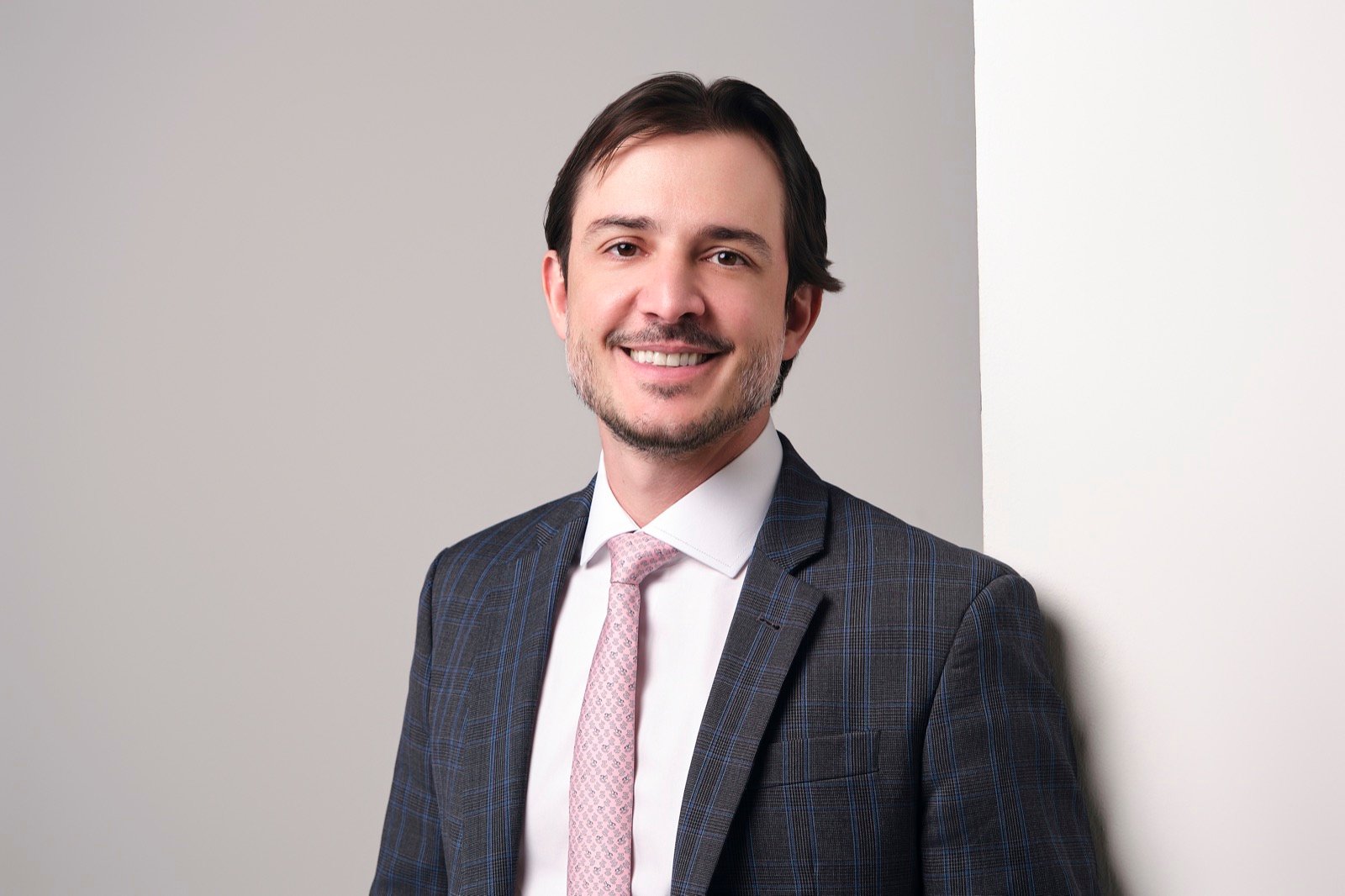
Otorrinolaringologista e cirurgião facial · CRM-PR 33.018 · RQE 17.984. Doutor pela FMRP-USP, fundador do Sella Learning Center. Atualizado em 2026-10-07.
Perguntas frequentes
Can international surgeons operate during the program?
Hands-on operating in Brazil requires registration with a state medical council, so visiting surgeons from abroad participate in the operating room as observers. Hands-on technical work takes place in the fresh cadaver laboratory during Preservation Week.
Is the training available in English?
Yes. Dr. Sella speaks Portuguese, English and Spanish, and discussion during surgery and clinic adapts to the group. The Mastering Preservation online platform also has lessons in the three languages.
Is the fellowship only for otolaryngologists?
The 12-month fellowship is designed for otolaryngologists and carries certification by the ABCPF and ABORL-CCF. The weekly mentorship and Preservation Week are open to ENT, plastic and maxillofacial surgeons who already operate on the nose.
How long should I stay in Maringá?
The weekly mentorship covers about five surgeries and four clinic sessions across one week. Preservation Week runs four to five days. Arriving one day earlier is advisable for surgeons travelling long distances.
What techniques are shown most often?
Dorsal preservation with push down and let down, ultrasonic rhinoplasty with piezoelectric instruments, structural grafting with septal, auricular and costal cartilage, tip ligament preservation, functional nasal surgery and revision cases.
How do I apply for a date?
Applications go through the clinic team, which confirms availability according to the surgical calendar. Prerequisites and documentation for each format are explained before the dates are reserved.
Fale com a equipe do Sella Learning Center
Fellowship, mentoria, Preservation Week e plataforma online.