

Rhinoplasty in Brazil with an English-speaking surgeon.
Language is part of safety in facial surgery. Here is how the consultation, the surgical plan, written instructions and the first year of follow-up are handled in English for patients traveling to Brazil.
Yes, you can have rhinoplasty in Brazil with a surgeon who speaks English directly, without an interpreter. Dr. Guilherme Sella is an ENT and facial surgeon in Maringá who speaks Portuguese, English and Spanish, publishes in English-language journals indexed on PubMed and has lectured as an invited professor in more than ten countries. International patients usually start with an English video consultation, receive the surgical plan, preoperative requirements and postoperative instructions in writing in English, and keep follow-up at 1, 3, 6 and 12 months online or in person. Indication and risks are always individual and defined in consultation.
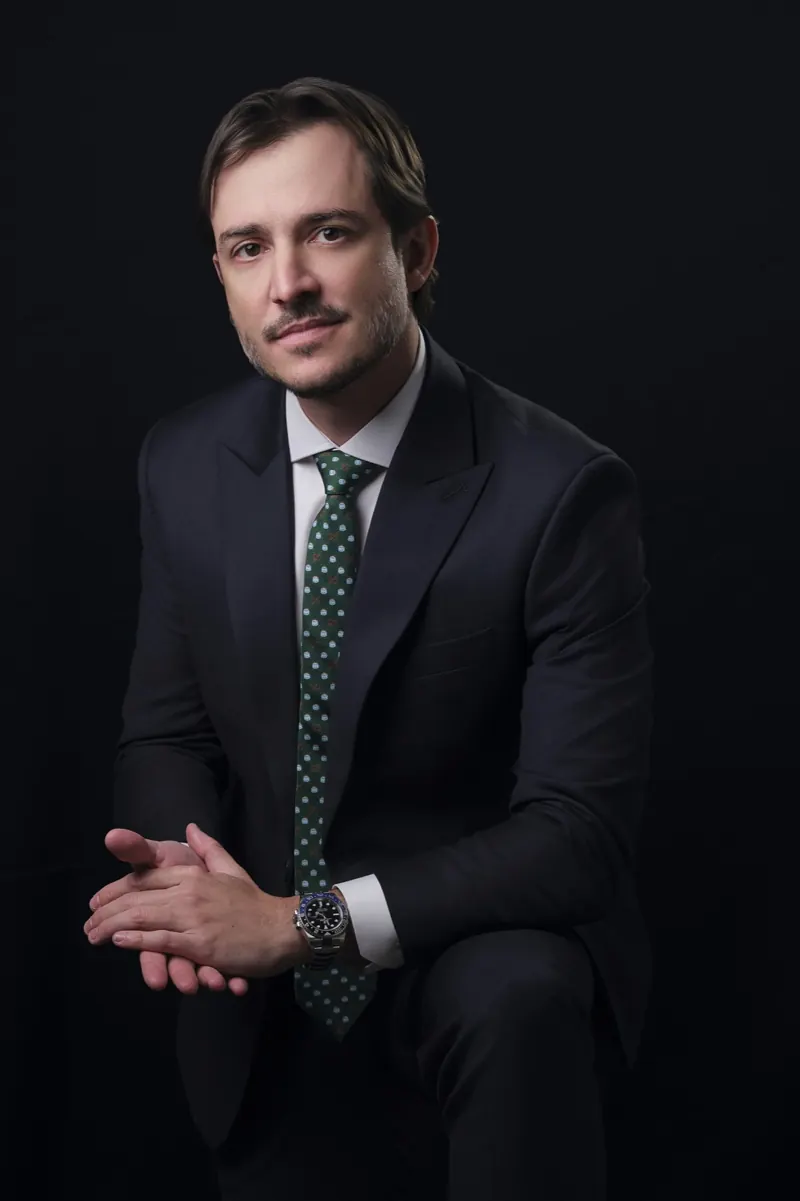
Why language matters more in rhinoplasty than in most operations
Rhinoplasty is a conversation before it is an operation. The surgeon needs to understand exactly what bothers you, and you need to understand exactly what can and cannot be changed in your nose. That exchange is built on nuance. Words like "refined", "natural", "smaller", "straight" and "strong" mean different things to different people, and a translation layer tends to flatten those differences.
There is a second reason. Aftercare in rhinoplasty lasts months. You will need to recognize what is expected and what is not: mild bleeding in the first 48 to 72 hours, periorbital bruising that can last up to 15 days, temperature up to 38 °C in the first two days, numbness of the upper lip and front teeth for up to three months. Reading those warnings in your own language, in writing, reduces unnecessary anxiety and helps you call the team at the right moment.
Who you will be talking to
Dr. Guilherme Sella is an otolaryngologist, CRM-PR 33.018, RQE 17.984, with residency at HCFMRP-USP and a direct doctorate in Morphophysiology of Facial Structures at the same institution, completed in 2018. He trained in structural rhinoplasty in Melbourne and Sydney and has observed rhinoplasty surgeons in the United States, Portugal, Spain, Germany, Italy, Turkey and Russia.
His English is working English, used in clinical and academic settings. He is an author on papers published in English and indexed on PubMed, including "Expanding Indications to Dorsal Preservation Rhinoplasty" in Facial Plastic Surgery Clinics of North America, 2025, and "Indications for Preservation Rhinoplasty: Avoiding Complications" in Facial Plastic Surgery, 2021. He has taught as an invited professor in more than ten countries, including Turkey, the United States, Spain, Mexico, Ireland, Peru, Argentina and Ecuador, and gave two lectures at the All in One Rhinoplasty Congress in Istanbul in 2025. More on his background on the about page.
He also speaks Spanish, which matters for patients coming from Paraguay, Argentina and other Latin American countries.
The first step: an English video consultation
Most international patients begin with a teleconsultation. The structure mirrors the in-person visit as closely as a screen allows:
- what bothers you about your nose, in your own words
- breathing history: obstruction, previous septoplasty, allergies, sinus problems
- previous nasal surgery, trauma or fillers
- review of photographs you send in advance
- digital simulation and discussion of what is realistic
- explanation of the technique being considered and why
- an outline of the recovery timeline and the travel window
Digital simulation is a communication tool, not a contract. The usual expectation is around 60 to 70 percent similarity to the final result. That caveat is stated in English during the call and repeated in writing.
The in-person consultation in Maringá lasts about one hour and adds what video cannot do: internal examination of the nose, palpation of skin thickness and tip support, standardized photographs, and high-frequency dermatologic ultrasound when indicated, used to assess skin thickness, previous fillers, old grafts, fractures and columellar vascularization.
What you receive in writing, in English
Spoken explanations fade. Written ones travel with you.
| Phase | What is provided in English |
|---|---|
| Before the trip | Summary of the proposed plan, list of preoperative exams to perform in your home country, medications to suspend, travel window |
| Arrival in Maringá | In-person consultation, final plan, surgical consent discussed point by point |
| Hospital stay | Discharge instructions, prescriptions with generic drug names, warning signs and the team WhatsApp number |
| First weeks | Day-by-day care: saline irrigation, head elevated 30 degrees for 10 or more days, ice in the first two weeks, no nose blowing, no glasses for 4 weeks |
| Months 1 to 12 | Follow-up schedule at 1, 3, 6 and 12 months, sun protection SPF 30 for 3 months, exercise release, expected timeline for final result |
Prescriptions use generic names so that a pharmacist in your country can identify the equivalent. On request, the clinic also provides documentation for insurance reimbursement, including the functional part of the surgery such as septoplasty, turbinate reduction or sinus surgery. Care is private only, with no Brazilian insurance plans accepted.
Technique explained in plain English
A surgeon who teaches abroad has to explain complex concepts simply. That habit carries into the consultation. You should leave the call understanding, in ordinary language, what is planned for your nose:
- Preservation rhinoplasty: the natural dorsal line is lowered as a unit using push down or let down maneuvers rather than being cut away and rebuilt.
- Ultrasonic rhinoplasty: a piezoelectric instrument shapes bone while sparing the surrounding soft tissue.
- Structural rhinoplasty: cartilage grafts from the septum, ear or rib support the tip and the airway.
- Revision rhinoplasty: longer operations, often needing imported structure, usually considered only after 12 months from the previous surgery.
If a term is unclear, ask for it again. Rephrasing a concept three ways is part of the job.
Practical details for the trip
Surgery takes place at Saine Health Complex in Maringá, a boutique hospital with 11 operating rooms, adult and neonatal ICU and 24-hour intensivists. Rhinoplasty is performed under general anesthesia, usually lasting 3 to 5 hours, with 12 to 24 hours of hospital stay. The external aquaplast splint stays about 7 days.
Typical plan for someone flying in: arrive 1 to 2 days before surgery, stay around 7 days until the splint is removed, then fly home. Maringá airport receives direct flights from São Paulo and Curitiba. A companion is recommended for the first week. The full logistics are detailed on the international patients page.
Honest limits of language support
The surgeon speaks English. Not every member of the hospital nursing staff does. Bring a translation app for hospital hours, and keep the team WhatsApp number at hand, since written messages are easy to translate and to answer precisely.
Medicine also has limits that language cannot remove. Revision rates in the literature run around 5 to 15 percent. Healing depends on skin thickness, scarring and anatomy, and the definitive result takes 6 to 12 months, up to 18 months in thick skin or revision cases. No plan removes those variables.
When to see Dr. Sella
Consider booking an English video consultation if you are weighing surgery abroad and want the plan discussed directly with the operating surgeon, if you have both breathing and aesthetic concerns, or if you are considering a revision and need an honest assessment of what remains possible. Indication, risks and technique are individual and defined only after examination. You can reach the team through the contact page.
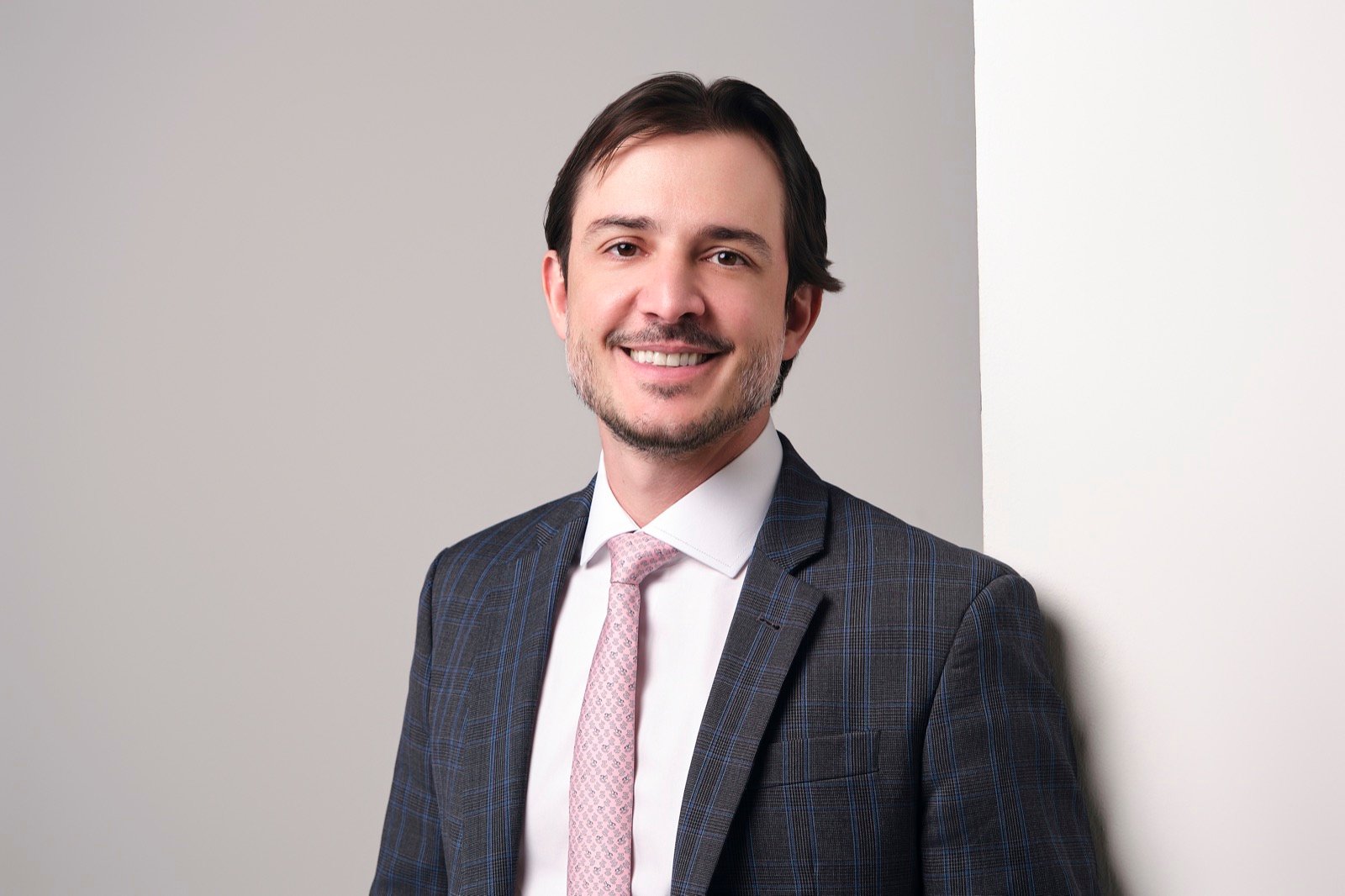
Otolaryngologist and facial plastic surgeon · CRM-PR 33.018 · RQE 17.984. PhD from FMRP-USP, founder of the Sella Learning Center. Updated on 2026-10-10.
Frequently asked questions
Does Dr. Sella speak English himself, or through a translator?
He speaks English directly, as well as Portuguese and Spanish. He publishes in English-language journals indexed on PubMed and has lectured as an invited professor in more than ten countries.
Can I have the entire first consultation online from another country?
Yes. International patients usually begin with a video consultation in English, including photo review and digital simulation. An in-person visit in Maringá is still needed before surgery for internal examination of the nose and standardized photographs.
Will my postoperative instructions and prescriptions be in English?
Yes. The surgical plan, preoperative requirements, discharge instructions and the follow-up schedule are provided in writing in English, with prescriptions using generic drug names so a pharmacist in your country can identify equivalents.
How long do I need to stay in Brazil for rhinoplasty?
The usual plan is to arrive 1 to 2 days before surgery and stay about 7 days until the external splint is removed. Flying is generally released after splint removal, and follow-up at 1, 3, 6 and 12 months can be done online or in person.
Will the hospital staff also speak English?
Not everyone will. The surgeon and the clinic team handle English communication, and a translation app is useful during hospital hours. Written messages through the team WhatsApp number are an easy way to ask questions precisely.
Can I use my health insurance from abroad?
Care is private only, with no Brazilian insurance plans accepted. The clinic provides documentation that you can submit to your insurer for reimbursement, including the functional part of the surgery such as septoplasty or turbinate reduction.
How do I get to Maringá from outside Brazil?
Most international patients fly into São Paulo, at Guarulhos or Congonhas, and take a short connecting flight to Maringá airport, code MGF. There are also direct flights from Curitiba, and road access is practical for patients coming from Mato Grosso do Sul, the interior of São Paulo and Paraguay. The team can help you plan arrival dates so you land one or two days before surgery and have time to rest.
Can I do my preoperative exams in my own country?
Yes. After the video consultation, you receive the list of required exams in writing and can have them done at home, then send the results for review before travel. If anything needs to be repeated or completed in Maringá, the team arranges it in the days before surgery.
How are follow-up visits handled once I fly home?
Follow-up is scheduled at 1, 3, 6 and 12 months and can be done in person or by video, depending on where you live. Photographs taken under standardized conditions help the assessment at a distance. If something unexpected happens between appointments, you contact the team directly by WhatsApp at (44) 99121-2021.
Is it safe to fly after rhinoplasty?
Flying is usually released after the external cast is removed, around seven days, which is why international patients are asked to stay about a week in Maringá. Before that, the nose is still in the phase of greatest swelling and the dressing needs to be checked in person. Your exact release date depends on how your recovery is going and is defined by the surgeon at the postoperative visit.
Book a consultation with Dr. Guilherme Sella
In person in Maringá, Brazil, or by video consultation. English-speaking team.