

The Brazilian school of dorsal preservation.
Push down, let down, ultrasonic bone work and high-frequency ultrasound imaging. How Brazilian surgeons adapted dorsal preservation to thick skin, wide bones and mixed-ancestry noses.
Dorsal preservation rhinoplasty lowers a nasal hump by repositioning the patient's own dorsum instead of cutting it off and rebuilding it. The so-called Brazilian school refers to a group of surgeons who adapted this concept to the anatomy seen in Brazil, which often combines thicker skin, wider nasal bones and weaker tip support. Dr. Guilherme Sella co-authored the chapter Brazilian Approach to Dorsum Preservation in Facial Plastic Surgery Clinics of North America (2023) and Expanding Indications to Dorsal Preservation Rhinoplasty (2025). The approach combines push down and let down maneuvers with ultrasonic instruments, structural tip work and imaging. Indication is always individual and defined in consultation.

What dorsal preservation actually means
In classic rhinoplasty, a dorsal hump is removed. The surgeon cuts the bone and cartilage roof of the nose, which opens the nasal structure, and then rebuilds it with grafts and sutures. The result can be excellent, but the dorsal line is reconstructed rather than original.
In dorsal preservation, the hump is not resected. The surgeon removes bone and cartilage from underneath, below the dorsum, and then lowers the intact dorsal roof into the new position. The skin never sees a reconstructed line because the natural one was kept.
The concept is old. It was described in the first half of the twentieth century and then largely abandoned. It returned to international practice over the last decade with better instruments, better anatomical understanding and clearer indications. You can read a patient-level explanation on the preservation rhinoplasty page.
Why people talk about a Brazilian school
Techniques travel, but anatomy is local. Brazil has one of the most mixed populations in the world, and nasal anatomy reflects that. Many patients combine features that European series rarely describe together: a prominent dorsal hump with thick sebaceous skin, wide and low nasal bones, a short nasal spine, and tip cartilage with little intrinsic support.
Applying a European preservation protocol unchanged to that anatomy produces predictable problems. The dorsum goes down, the tip stays weak, and the thick skin hides the refinement that was achieved underneath.
The 2023 chapter Brazilian Approach to Dorsum Preservation, published in Facial Plastic Surgery Clinics of North America and co-authored by Dr. Sella, described how Brazilian surgeons adapted the method: preservation of the dorsum combined with structural work on the tip, aggressive management of the thick soft tissue envelope, and selective use of grafts from septum, ear or rib when support is lacking.
Preserving the dorsum does not mean avoiding structure. In most Brazilian noses, the dorsum is preserved and the tip is rebuilt.
Push down, let down and hybrid: how the dorsum is lowered
There is no single preservation operation. The surgeon chooses how the bony pyramid is mobilized after the septal strip is removed.
| Maneuver | What is done to the bone | Typical indication | Trade-off |
|---|---|---|---|
| Push down | The bony pyramid is impacted and slides into the piriform aperture | Smaller humps, narrow or normal-width bones | May slightly widen the base of the nose |
| Let down | A wedge of bone is removed from the lateral walls, then the pyramid settles down | Larger humps, wide bones, older patients | Technically more demanding, more bone work |
| Hybrid or partial preservation | Dorsum preserved only in part, with limited cartilage reshaping above | Irregular humps, previous trauma, asymmetric dorsal lines | Requires precise intraoperative judgment |
| Classic structural reduction | Hump resected and dorsum reconstructed | Severe deviations, very irregular bony roof, some revisions | Reconstructed dorsal line, more grafting |
Many operations combine elements. A surgeon who only offers one of these columns has to force every nose into the same plan. The decision between them is made with the patient in front of you, during the consultation and again in the operating room.
Expanding the indications, carefully
Early on, preservation was offered mostly to straight noses with small humps. Deviated septa, large humps and previous surgery were considered contraindications.
The 2025 paper Expanding Indications to Dorsal Preservation Rhinoplasty, also published in Facial Plastic Surgery Clinics of North America with Dr. Sella among the authors, addressed exactly that frontier: which deviated, large-hump or previously operated noses can still be treated with preservation, and which should not be. An earlier article, Indications for Preservation Rhinoplasty: Avoiding Complications (Facial Plastic Surgery, 2021), focused on the complication side of the same question.
The practical message for a patient is simple. Expanding indications is not the same as applying the technique to everyone. Some noses do better with classic structural rhinoplasty, and some revision cases require rebuilding rather than preserving.
Ultrasonic instruments and ultrasound imaging
Two technologies changed how preservation is performed in practice.
The first is the piezoelectric instrument, which cuts bone with ultrasonic vibration and spares cartilage, mucosa and vessels. In a let down, the lateral bone wedges can be removed with millimetric control instead of chisels. This matters in wide Brazilian bony pyramids. More detail on the ultrasonic rhinoplasty page.
The second is high-frequency dermatologic ultrasound used before surgery. In the clinic in Maringá it is used to measure skin thickness, detect old fillers, map previous grafts, check columellar vascularization and help choose rib cartilage when needed. A thick-skinned nose with residual filler on the dorsum is a different operation from a thin-skinned nose, and knowing that before the first incision changes the plan.
What this means for your result and recovery
Preservation is a technical choice, not a shortcut. The operation still takes three to five hours under general anesthesia, with a 12 to 24 hour hospital stay. An external aquaplast plate stays about seven days, followed by a week of taping.
Swelling behaves the same way it does in any rhinoplasty. Most of it resolves in the first months, and the definitive result appears between 6 and 12 months, sometimes up to 18 months in thick skin or revision cases. Digital simulation done in consultation reflects roughly 60 to 70 percent of the final shape.
Revision rates reported in the general rhinoplasty literature range from 5 to 15 percent, and revisions are considered only after 12 months. No technique eliminates that possibility.
Teaching the technique
Much of what is called the Brazilian school circulates through teaching rather than marketing. Dr. Sella is a founding member of the Sociedade Brasileira de Rinoplastia, a full member of the Academia Brasileira de Cirurgia Plástica da Face, and runs the Sella Learning Center in Maringá, with an annual fellowship, weekly mentorships and the Preservation Ultrasonic Rhinoplasty Course with live surgeries and fresh cadaver dissection. He has taught as an invited faculty member in more than ten countries, including two lectures at the All in One Rhinoplasty Congress in Istanbul in 2025. Surgeons can see the fellowship and course pages.
For patients, this matters for one reason only: a technique taught and audited in front of other surgeons tends to be a technique with defined indications and limits.
Coming from abroad
Maringá is served by MGF airport with direct flights from São Paulo and Curitiba. International and out-of-town patients usually start with a teleconsultation, run their exams at home, arrive one or two days before surgery and stay around seven days until the external plate is removed. Flying is released after that. Follow-ups at 1, 3, 6 and 12 months can be in person or online. Logistics are described on the international patients page.
When to see Dr. Sella
A consultation makes sense if you have a dorsal hump and want to understand whether your anatomy allows preservation, if you have breathing complaints alongside an aesthetic concern, or if you were told your nose is too deviated or too large for the technique and want a second opinion. The appointment lasts about one hour and includes an internal nasal examination, standardized photographs, digital simulation and nasal ultrasound when indicated. Indication, risks and surgical plan are individual and defined only after that evaluation. You can reach the team through the contact page.
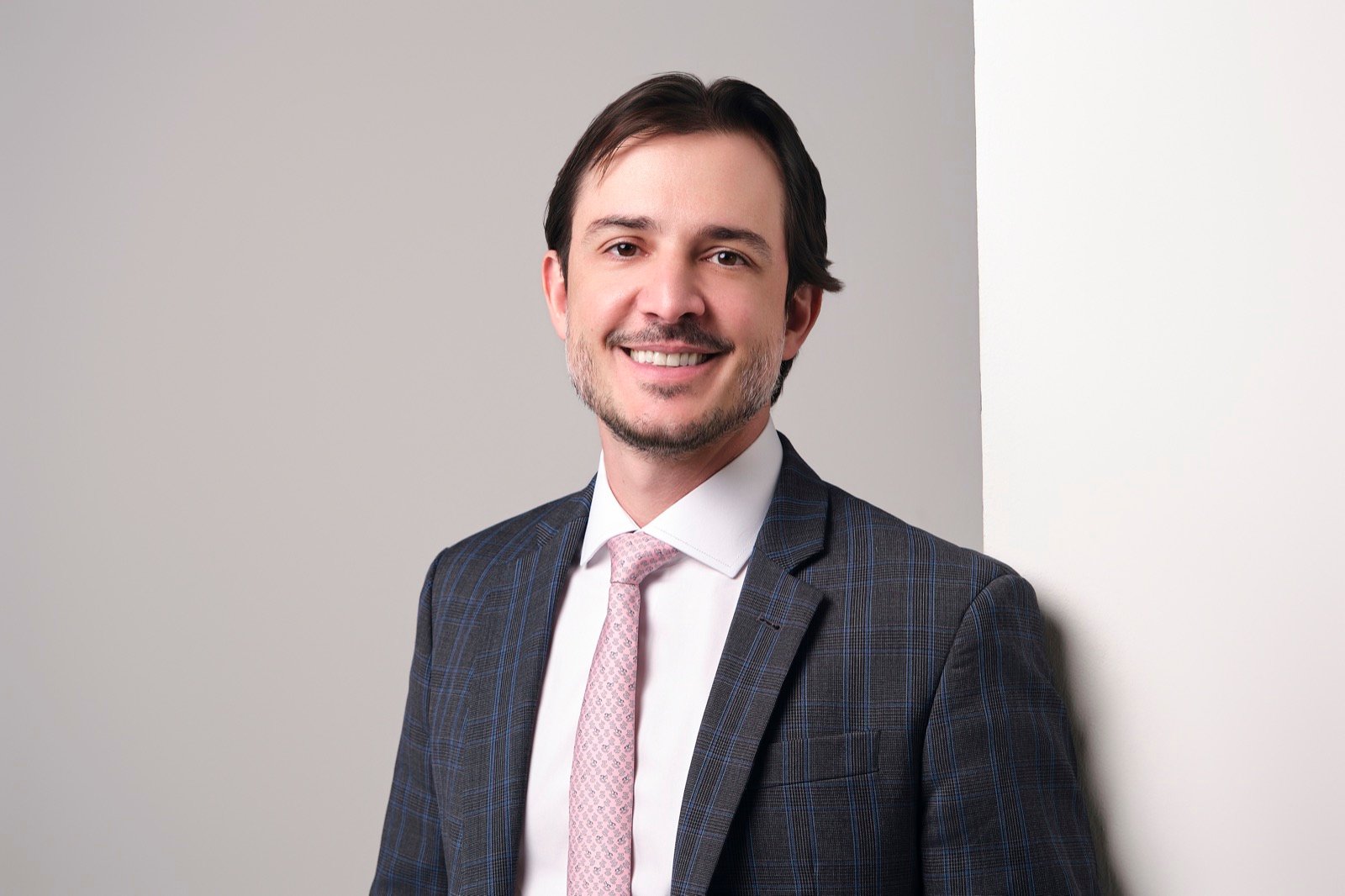
Otolaryngologist and facial plastic surgeon · CRM-PR 33.018 · RQE 17.984. PhD from FMRP-USP, founder of the Sella Learning Center. Updated on 2026-10-07.
Frequently asked questions
Is preservation rhinoplasty better than traditional rhinoplasty?
Neither technique is superior in every case. Preservation keeps the patient's own dorsal line and suits many humps, while classic structural rhinoplasty remains the better option for some severe deviations, very irregular bony roofs and certain revisions. The choice depends on your anatomy and is made in consultation.
What is the difference between push down and let down?
In a push down the bony pyramid is impacted inside the piriform aperture, which tends to suit smaller humps and narrower bones. In a let down a wedge of lateral bone is removed first, which generally handles larger humps and wider pyramids with less widening of the nasal base.
Can preservation rhinoplasty be done on a deviated nose?
In selected cases, yes. Expanding indications to deviated and large-hump noses was the subject of the 2025 paper co-authored by Dr. Sella in Facial Plastic Surgery Clinics of North America. Some deviations still require classic structural correction.
Does dorsal preservation also fix breathing problems?
It can be combined with functional surgery such as septoplasty, turbinoplasty and nasal valve correction in the same operation. As an otolaryngologist, Dr. Sella routinely addresses function and shape together when both are affected.
How long until I see the final result?
Most swelling resolves in the first months and the definitive result typically appears between 6 and 12 months, sometimes up to 18 months in thick skin or revision cases. Digital simulation shown in consultation reflects around 60 to 70 percent of the final shape.
Do I need to be in Brazil for the whole recovery?
Most out-of-town patients arrive one or two days before surgery and stay about seven days, until the external plate is removed, when flying is released. Follow-ups at 1, 3, 6 and 12 months can be done in person or online.
Book a consultation with Dr. Guilherme Sella
In person in Maringá, Brazil, or by video consultation. English-speaking team.