

Revision rhinoplasty abroad, planned with ultrasound.
Secondary noses are scarred, often thin-skinned and short on cartilage. What makes international travel workable is planning: imaging before the flight, a clear graft strategy and about seven days on the ground.
Revision rhinoplasty abroad can be a reasonable option when the surgeon you choose operates on secondary noses routinely and the logistics are planned in advance. In Maringá, Brazil, Dr. Guilherme Sella starts with a teleconsultation, then uses high-frequency nasal ultrasound to map skin thickness, old grafts, fillers and irregularities before deciding between septal, ear or rib cartilage. Most international patients arrive one to two days early, stay around seven days until the cast comes off, and are cleared to fly after that. Follow-ups happen at 1, 3, 6 and 12 months, in person or online.
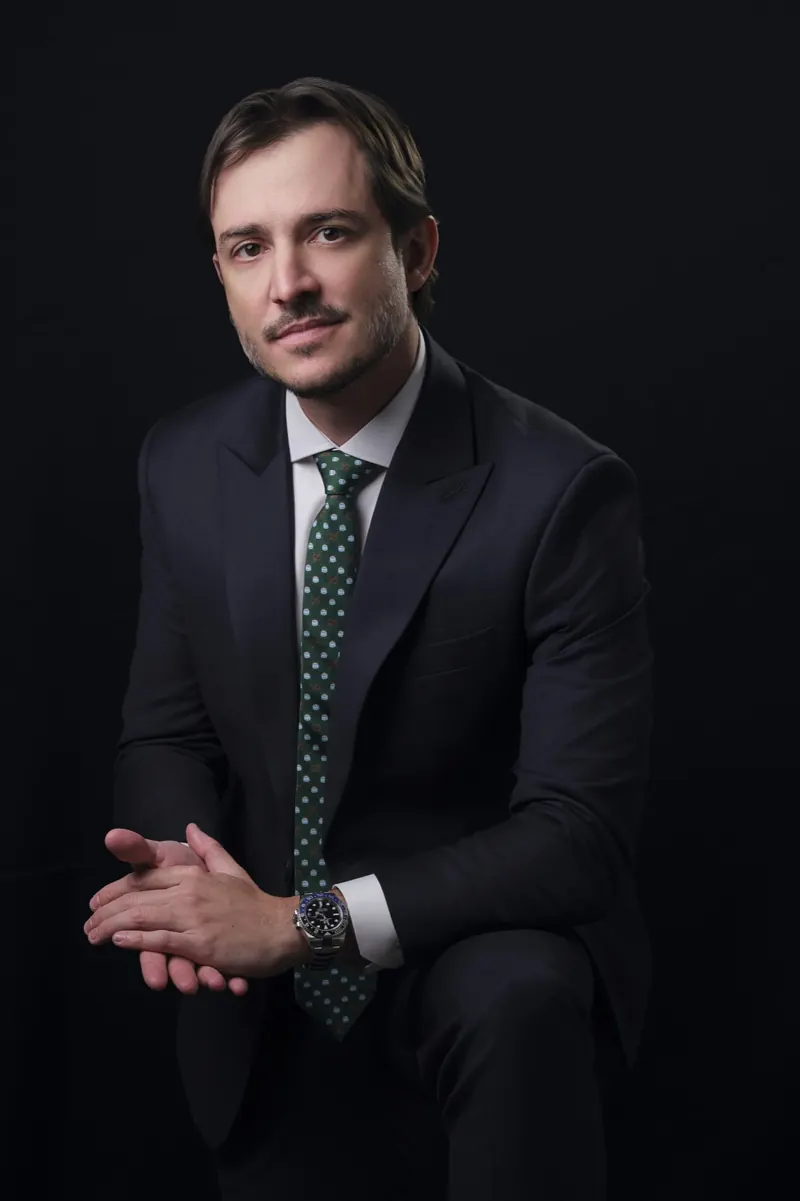
Why do patients travel for a revision?
Revision rhinoplasty is a narrow subspecialty inside an already narrow field. Published series put the revision rate after primary rhinoplasty somewhere between 5% and 15%, so the number of patients who need a second operation is large. The number of surgeons who perform secondary noses every week is much smaller. When a patient cannot find that experience locally, travel becomes a practical answer rather than a luxury.
Brazil attracts these patients for three reasons. Volume, since rhinoplasty is performed in high numbers and surgeons accumulate secondary cases early in their careers. Teaching structure, since several Brazilian groups publish and teach internationally on dorsal preservation and structural grafting. And logistics, since a single city stay of about one week covers surgery and cast removal.
The Dr. Sella practice in Maringá fits this profile. He is an ENT surgeon with a doctorate from HCFMRP-USP, has performed more than 1,500 rhinoplasties, and co-authored PubMed-indexed chapters on preservation rhinoplasty in Facial Plastic Surgery Clinics of North America. He teaches in more than ten countries and speaks Portuguese, English and Spanish. You can read more about his background on the about page.
What makes a revision different from a first rhinoplasty
A primary nose has predictable anatomy. A secondary nose does not. Scar tissue replaces normal planes. Cartilage may have been removed, weakened or displaced. Skin can be thin in some areas and thickened in others. Breathing is often worse than before the first surgery, because the internal valves depend on the same structures that were reduced.
Practical consequences:
- Surgery takes longer. A primary rhinoplasty runs 3 to 5 hours; revisions usually take more.
- Dissection is slower and bleeding is harder to control inside scar.
- Donor cartilage is frequently insufficient, so ear or rib may be needed.
- Final result takes longer to appear, up to 12 to 18 months in thick skin or heavily operated noses.
A revision is a reconstruction before it is a refinement. The first goal is a stable, breathing nose; shape follows the structure that can be rebuilt.
Ultrasound before you buy the ticket
High-frequency dermatologic ultrasound has become part of the preoperative routine for secondary cases. It is painless, takes a few minutes and is performed in the same clinic, where Dr. Núbia Goedert Soares Sella, radiologist, works with dermatologic ultrasound.
What the exam can show:
- Skin thickness, region by region, which predicts swelling and how much definition is realistic.
- Hyaluronic acid or permanent fillers injected in previous years, including material the patient forgot or was never told about.
- Position and integrity of previous grafts.
- Old fractures, bone irregularities and residual callus.
- Vascularization of the columella and nasal skin, which matters when previous surgeries or fillers compromised blood supply.
- Costal cartilage calcification, which influences which rib level to harvest.
For an international patient this information changes the conversation before any flight is booked. A nose full of permanent filler, for example, needs a different plan and a different timeline. The same logic applies to ultrasonic rhinoplasty, where piezoelectric instruments reshape bone without breaking surrounding soft tissue, useful when the bony vault was previously over-rasped or asymmetric.
Grafts: septum, ear or rib
Most secondary noses need cartilage. The decision is individual and is made in consultation, but the general logic is consistent.
| Source | Typical use | Notes |
|---|---|---|
| Septum | First choice when still available | Straight, rigid, no extra donor site |
| Ear (concha) | Alar rim grafts, soft camouflage | Curved, limited volume, small scar behind the ear |
| Rib (costal) | Major reconstruction, dorsal and septal support | Larger volume, longer surgery, chest donor site |
| Diced cartilage | Dorsal irregularities, camouflage | Often combined with other grafts |
In third or fourth operations, septum and ear are often already used. Rib then becomes the structural option. Ultrasound helps choose the segment with the least calcification, which makes carving more predictable. Rib harvest adds chest discomfort for a few days and a small scar, which is discussed openly before surgery.
When the dorsum was not previously destroyed, techniques from preservation rhinoplasty can sometimes be adapted to secondary cases. Dr. Sella published on exactly this subject, in "Expanding Indications to Dorsal Preservation Rhinoplasty" in 2025.
When is it safe to operate again?
The usual rule is to wait at least 12 months after the previous rhinoplasty. Scar tissue needs to mature and swelling needs to resolve. Operating too early means working in inflamed tissue and judging a shape that is still changing.
Exceptions exist, such as a severely obstructed airway or a clearly displaced graft. Those are evaluated individually. A teleconsultation is the right first step to understand where you are in that timeline. More detail is available on the revision rhinoplasty page.
The travel plan, step by step
| Stage | What happens | Typical timing |
|---|---|---|
| Teleconsultation | History, photos, previous surgical reports, initial plan | Weeks to months before |
| Local workup | Blood tests and clearance in your home city | 2 to 4 weeks before |
| Arrival in Maringá | In-person consultation, nasal ultrasound, standardized photos, digital simulation | 1 to 2 days before surgery |
| Surgery | General anesthesia, hospital admission of 12 to 24 hours at Saine Health Complex | Day 0 |
| Recovery in city | Rest, head elevated 30 degrees, ice, saline irrigation | Days 1 to 7 |
| Cast removal | External aquaplast cast off, taping for another week | Around day 7 |
| Flight home | Cleared after cast removal | Day 7 to 9 |
| Follow-up | 1, 3, 6 and 12 months, in person or online | First year |
Maringá has an airport with direct flights from São Paulo and Curitiba, and is reachable by road from inland São Paulo, Mato Grosso do Sul and Paraguay. The team can suggest accommodation near the clinic on Avenida Cidade de Leiria. A companion is recommended for the first week. Full details for travelers are on the international patients page.
Expectations, limits and honest risks
Digital simulation is a communication tool. Expect roughly 60% to 70% similarity to the final result, and less in heavily scarred noses. Swelling is asymmetric and resolves over months. A revision can improve breathing and shape, and it can still leave small irregularities that only time or a minor adjustment will address.
Practical points after surgery: light bleeding for 48 to 72 hours is normal, periorbital bruising can last up to 15 days, numbness of the lip and front teeth may persist for up to three months, no glasses for four weeks, no sun or pool for one month, sunscreen SPF 30 for three months, and never blow your nose.
Care is private, without insurance contracts. The clinic provides documentation so you can request reimbursement from your plan, including the functional portion such as septoplasty or turbinate surgery. Surgical quotes are given only after the consultation, since they depend on technique, operative time and grafts.
When to see Dr. Sella
Consider booking a teleconsultation if you had one or more rhinoplasties, are at least 12 months out, and still have a breathing problem or a shape that bothers you daily. Bring your previous surgical report, any imaging and photos taken before your first surgery. Indication, risks and the surgical plan are individual and defined in consultation. You can reach the team through the contact page.
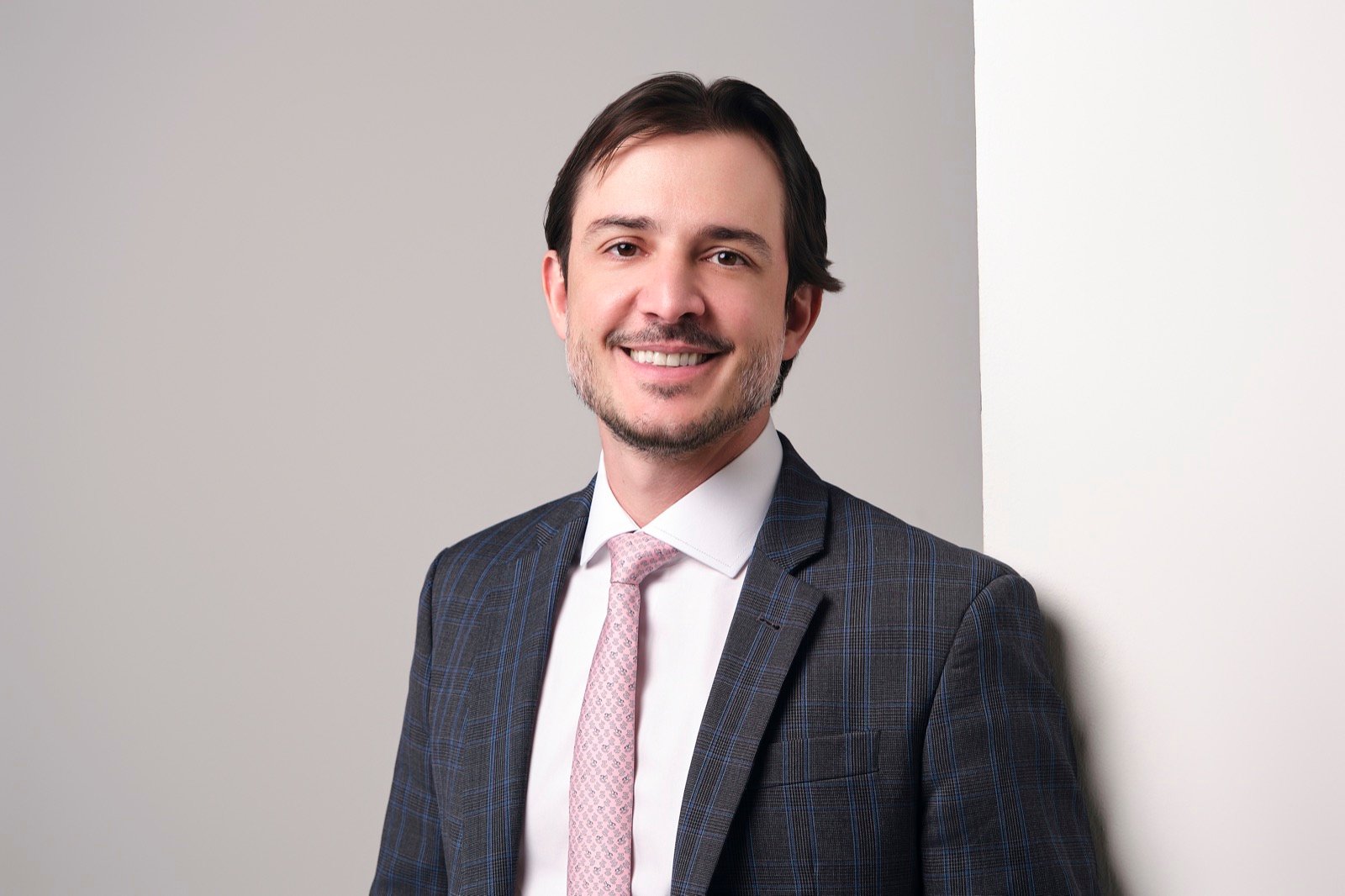
Otolaryngologist and facial plastic surgeon · CRM-PR 33.018 · RQE 17.984. PhD from FMRP-USP, founder of the Sella Learning Center. Updated on 2026-10-07.
Frequently asked questions
How long do I need to stay in Brazil for a revision rhinoplasty?
Plan for about seven days after surgery, plus one to two days before for the in-person consultation, ultrasound and photos. Flying is usually cleared after the external cast is removed, around day seven.
Do I need rib cartilage for a revision?
Not always. Septum and ear cartilage are used when still available and sufficient. Rib is considered when major structural reconstruction is needed, and the decision is made in consultation after examination and imaging.
How soon after my previous rhinoplasty can I have a revision?
The usual recommendation is to wait at least 12 months so scar tissue matures and swelling resolves. Severe breathing obstruction or a clearly displaced graft may be evaluated earlier, case by case.
What does nasal ultrasound add before a secondary rhinoplasty?
It shows skin thickness, previous fillers, old grafts, bone irregularities and columellar vascularization, and helps choose the rib segment when costal cartilage is needed. The exam is painless and performed in the clinic.
Can I be assessed before traveling to Maringá?
Yes. International patients usually start with a teleconsultation, send photos and previous surgical reports, and complete blood tests and clearance in their home city before booking travel.
Does health insurance cover the surgery?
Care is private, without insurance contracts. The clinic provides documentation so you can request reimbursement from your plan, including the functional portion such as septoplasty or turbinate surgery.
Book a consultation with Dr. Guilherme Sella
In person in Maringá, Brazil, or by video consultation. English-speaking team.