

Your rhinoplasty consultation, in English, from anywhere.
The clinic in Maringá works in Portuguese, English and Spanish. The first appointment is usually a video call, with photos, a review of your breathing history and a plan explained in your own language.
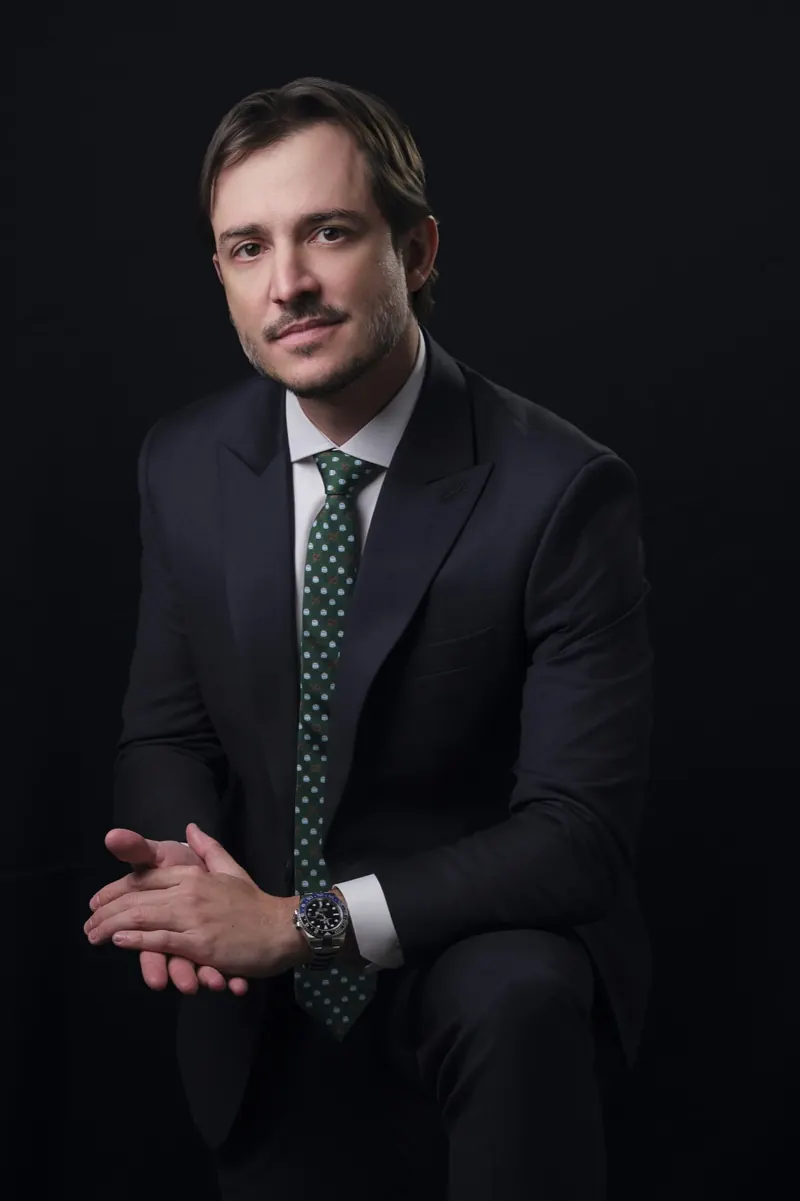
Yes, you can have your rhinoplasty consultation in English. Dr. Guilherme Sella speaks English and lectures in English at international courses and congresses, and the team in Maringá communicates with patients in Portuguese, English and Spanish. The usual path for someone living abroad is a video consultation of about one hour, with standardized photos, discussion of breathing symptoms, digital simulation and an explanation of the technique being considered. Written material such as the surgical plan, preoperative exam list and documentation for insurance reimbursement can be issued in English on request. The in-person nasal exam is completed in Maringá before surgery.
Can you have the whole consultation in English?
Yes. The consultation can be conducted entirely in English, and the team also works in Spanish and Portuguese. Dr. Sella completed a rhinoplasty fellowship in Melbourne and Sydney, is certified by the European Board in Facial Plastic and Reconstructive Surgery, and has been an invited speaker in more than ten countries, including Turkey, the United States, Spain, Ireland, Mexico and Peru. English is the working language of most international rhinoplasty meetings, so clinical terms, surgical planning and postoperative instructions are discussed in English without an interpreter.
That matters more than it sounds. Rhinoplasty planning depends on nuance. The difference between "I want a smaller nose" and "I want a straighter profile with the same width" changes the operation. Being able to say exactly what bothers you, in your own words, is part of the medical evaluation.
How the first appointment is scheduled
Most international patients and Brazilians living abroad start with a message to the patient team on WhatsApp at (44) 99121-2021 or through the contact page. The team replies in English, asks what bothers you about your nose, whether you have breathing complaints, and whether you have had previous nasal surgery or fillers.
Before the video call you will be asked for standardized photos: front, both profiles, both oblique views, and a basal view taken from below with the head slightly tilted back. Good lighting, hair off the face, no makeup if possible. These photos are what allow a useful discussion instead of a vague one.
Time zones are accommodated within the clinic's schedule. The call is normally done by video so the surgeon can see your nose in motion, your smile and your facial proportions.
What happens during the one-hour consultation
The standard rhinoplasty consultation lasts about one hour, in person or online. It generally covers:
- History: what bothers you aesthetically, nasal obstruction, snoring, allergies, sinus problems, previous trauma, previous surgeries, fillers or threads, general health and medications.
- Analysis: review of the photos, facial thirds, dorsal line, tip rotation and projection, nostril shape, chin and neck relationship.
- Digital simulation: images are modified to show the direction of the plan. Simulation is a communication tool, not a contract. Expect roughly 60 to 70 percent similarity to the final result.
- Technique: whether dorsal preservation, ultrasonic instruments, structural grafting from septum, ear or rib, or a revision approach is being considered, and why.
- Logistics and recovery: duration of surgery, hospital stay, cast removal, when you can fly, follow-up schedule.
Questions are expected. Many patients arrive with a written list, which is a good idea when the appointment is remote.
Video consultation and in-person consultation: what each one covers
| Item | Video consultation | In-person visit in Maringá |
|---|---|---|
| History and goals | Yes | Yes |
| Photo analysis and digital simulation | Yes | Yes |
| Technique explanation and recovery plan | Yes | Yes |
| Internal nasal exam with endoscope | No | Yes |
| Skin thickness and nasal ultrasound when indicated | No | Yes |
| Palpation of cartilage, bone and previous grafts | No | Yes |
| Final surgical plan confirmation | Preliminary | Confirmed |
The honest limitation of a remote appointment is the physical exam. Septal deviation, turbinate size, valve collapse, scar tissue from a previous operation and skin thickness are assessed by examination, not by photographs. For patients traveling from abroad, the in-person exam is done one or two days before surgery, and the plan is reviewed then. If something found on examination changes the recommendation, that is discussed before anything is scheduled in the operating room.
Documents issued in English
On request, the clinic provides written material in English and Spanish, including:
- a summary of the proposed surgical plan;
- the list of preoperative exams, so you can do them in your own city with your local doctor;
- preoperative and postoperative instructions, including wound care, nasal saline irrigation and activity restrictions;
- prescriptions and a medication list for the first weeks;
- a surgical report and invoices for insurance reimbursement requests, including the functional component such as septoplasty, turbinoplasty or endoscopic sinus surgery;
- a statement about clinical status when you need documentation to return to work or to travel.
The practice is private and does not work with Brazilian health insurance plans. Documentation is supplied so that you can submit a reimbursement claim to your own insurer, under your policy rules. Surgical quotes are given only after the consultation, because they depend on the technique, operating time and grafts required.
Planning the trip and the days in Maringá
Maringá is served by MGF airport, with direct flights from São Paulo and Curitiba, and is also reachable by road from inland São Paulo state, Mato Grosso do Sul and Paraguay. Rhinoplasty is performed under general anesthesia, usually lasting three to five hours, with an overnight stay of twelve to twenty-four hours at the Saine Health Complex, a boutique hospital with adult and neonatal ICU and intensivists on site around the clock.
The usual itinerary is to arrive one or two days before surgery and stay about seven days, until the external cast is removed. Flying is generally released after cast removal. A companion is recommended for the first week, and the team can indicate accommodation near the clinic. More detail on the full itinerary is on the international patients page.
Communication after you go home
This is the part patients worry about most, and reasonably so. The structure is simple:
- Direct channel: the patient team on WhatsApp handles messages in English during clinic hours, and forwards clinical questions to the surgeon.
- Photo follow-up: you send standardized photos at agreed intervals so swelling and the shape of the dorsum and tip can be followed.
- Scheduled reviews: at one, three, six and twelve months, in person or online.
- Local support: if you need stitches checked or a local ENT evaluation, the clinic provides a written summary of the operation for the doctor who sees you.
- Red flags: heavy bleeding, fever above 38 °C after the first two days, increasing one-sided pain or swelling, or any sudden visual change should be reported immediately and evaluated locally.
Swelling is a long conversation. The nose changes for months. Definitive results are generally seen between six and twelve months, and up to eighteen months in thick skin or revision cases. Knowing that in advance, in your own language, prevents a lot of unnecessary anxiety in month two.
When to contact Dr. Sella
A consultation makes sense if you are considering rhinoplasty for aesthetic reasons, for nasal obstruction, or both, and you want the plan explained in English before committing to travel. It is also the right step if you have had a previous operation and are unsure what was done. Indication, risks and technique are individual and are defined only after history, examination and imaging. You can read about the surgeon's training and publications on the about page or write to the team through the contact page.

Otolaryngologist and facial plastic surgeon · CRM-PR 33.018 · RQE 17.984. PhD from FMRP-USP, founder of the Sella Learning Center. Updated on 2026-10-15.
Frequently asked questions
Does Dr. Sella speak English himself, or only the staff?
Dr. Sella speaks English and lectures in English at international rhinoplasty courses and congresses. The patient team also communicates in English and Spanish.
Can I decide on surgery after only a video consultation?
The video consultation gives you a preliminary plan, simulation and recovery timeline. The plan is confirmed after the in-person nasal examination, done one or two days before surgery in Maringá.
Will I receive my medical documents in English?
Yes, on request. The clinic issues the surgical plan, preoperative exam list, instructions, prescriptions and reimbursement documentation in English or Spanish.
How long should I stay in Brazil after rhinoplasty?
Most patients arrive one or two days before surgery and stay about seven days, until the external cast is removed. Flying is usually released after that.
How do follow-up appointments work once I am back home?
Reviews are scheduled at one, three, six and twelve months, in person or by video, with standardized photos sent in between through the clinic's WhatsApp channel.
Does the clinic accept health insurance?
The practice is private and does not work with Brazilian insurance plans. Documentation is provided so you can request reimbursement from your own insurer, including for the functional part of the surgery.
What photos should I send before the video consultation?
The team asks for standardized views: front, both profiles, both obliques and a basal view taken from below with the head tilted slightly back. Use even lighting, keep hair off the face and avoid makeup and filters, since shadows and editing distort the nasal contour. These images allow a real analysis and a digital simulation during the call instead of a generic conversation. The in-person nasal exam is still completed in Maringá before surgery.
Will the hospital staff speak English during my stay?
Dr. Sella and the patient team communicate in English, Portuguese and Spanish, and written instructions can be issued in English on request. Inside the hospital, not every professional speaks English, so the team acts as the bridge for admission, anesthesia and discharge instructions. Bringing a companion for the first week also helps with day to day logistics in Maringá.
Can I have the consultation in Spanish instead of English?
Yes. The consultation can be conducted in Spanish, English or Portuguese, and documentation can be issued in English or Spanish when requested. The format is the same in any language: about one hour with history, photo analysis, digital simulation and explanation of the technique being considered.
Can I do my preoperative exams in my home country?
In most cases yes. After the video consultation you receive a list of exams that can be done where you live, and the results are reviewed before travel. If something needs to be repeated or completed, it can usually be arranged in Maringá in the days before surgery. Which exams apply depends on your age, health history and the planned procedure, and this is defined individually in consultation.
Book a consultation with Dr. Guilherme Sella
In person in Maringá, Brazil, or by video consultation. English-speaking team.