

Flying after rhinoplasty: the usual green light is day 7.
Cabin pressure does not break a nose. The real issues are swelling, bleeding risk and being far from your surgeon. Here is how the first flight home is planned in practice.
Most patients are cleared to fly after the external cast is removed, around day 7. In the practice of Dr. Guilherme Sella, out-of-town patients arrive one to two days before surgery and stay in Maringá for about a week, so the first dressing change and wound check happen before boarding. Cabin pressure does not damage the bones or grafts. The concerns are nosebleed in the first 48 to 72 hours, dry cabin air, swelling and distance from the surgical team. Short domestic flights are usually easier than long-haul travel. Clearance is always individual.

Why day 7 is the usual green light
The first week after rhinoplasty is when the nose is most unpredictable. Light bleeding is normal for 48 to 72 hours. Periorbital bruising can last up to 15 days. The external plate, usually an aquaplast cast, stays in place for about seven days and protects the bones and cartilage while the tissues settle.
Once the cast is removed, the surgeon can look at the skin, check the incisions, assess swelling and confirm that the bony work is stable. That consultation is the real milestone. It is not the date on the calendar that releases you to fly. It is the fact that someone with surgical judgment has examined your nose before you leave the city.
After the cast comes off, taping continues for about another week, and that taping travels well. Most patients board the plane with tape on the dorsum, sunglasses off, and a bottle of saline in the bag.
Does cabin pressure affect the nose?
This is the question almost every patient asks, and the answer is reassuring. Commercial cabins are pressurized to the equivalent of roughly 1,800 to 2,400 meters of altitude. That pressure change is far too small to displace osteotomies, move a graft or alter a preserved dorsum. Nasal bones heal mechanically, through contact and fibrous union, and a pressurized cabin does not pull on them.
The real variables are different:
- Dry air. Cabin humidity is very low. Dry crusts inside a freshly operated nose are uncomfortable and increase the urge to blow or pick, which you must never do.
- Swelling. Sitting still for hours with the head low increases facial edema. It is temporary and it resolves, but it can be unpleasant.
- Bleeding risk. Highest in the first 72 hours. This is the main reason very early flights are discouraged.
- Distance. If something needs a look, you want to be near the team that operated on you, not in another country.
Travel timeline after rhinoplasty
| Period | Flying | What is happening |
|---|---|---|
| Days 0 to 3 | Avoid | Highest bleeding risk, maximum swelling, cast in place |
| Days 4 to 6 | Only if unavoidable and medically cleared | Bleeding risk falling, cast still on, no wound check yet |
| Day 7 onward | Usually cleared, short flights first | Cast removed, incisions checked, taping continues |
| Weeks 2 to 4 | Normal travel for most patients | Bruising fading, exercise resumes after day 15 |
| After 1 month | No restriction related to flying | Sun, beach and pool released, SPF 30 for 3 months |
Revision cases, rib cartilage harvest and procedures combined with facelift or neck surgery may follow a different schedule. The plan is defined case by case in the postoperative consultation.
Planning the trip when you come from out of town
Maringá has a direct connection to São Paulo and Curitiba through the MGF airport, and good road access from inland São Paulo, Mato Grosso do Sul and Paraguay. The routine for patients traveling for surgery is straightforward.
- Initial teleconsultation, with photographs and history reviewed remotely.
- Preoperative tests done in your home city.
- Arrival in Maringá one to two days before the date.
- Surgery with 12 to 24 hours of hospital stay.
- About seven days in the city until the cast is removed.
- Flight home after that appointment.
- Follow-up at 1, 3, 6 and 12 months, in person or online.
A companion during the first week is recommended, mainly for the trip to and from the hospital and for the first two or three days at home. The full logistics for travelers are described in the page for international and out-of-town patients.
Book a flexible or changeable return ticket. Most patients leave on schedule. A small number need an extra day, and a refundable fare removes the pressure to fly before it makes sense.
Tips for the flight itself
- Hydrate before and during the flight. Water, not alcohol. Alcohol increases swelling and bleeding tendency.
- Use saline spray or irrigation every hour or two. Dry cabin air is the main source of discomfort.
- Never blow your nose. If you need to sneeze, sneeze with your mouth open.
- Choose an aisle seat so you can stand up, walk and keep circulation moving.
- Keep your head slightly elevated. A neck pillow helps you avoid sleeping with the head down.
- No glasses resting on the bridge for four weeks. Use contact lenses, or tape glasses to the forehead if you truly cannot avoid them.
- Carry your medication in hand luggage, along with saline, tape if your surgeon provided extra, and the surgical report.
- Skip heavy carry-on bags. Avoid lifting a suitcase into the overhead bin in the first weeks. Ask for help.
- Expect some swelling on landing. The face often looks puffier after a flight. It settles in a day or two.
Long-haul versus short flights
A one-hour hop to São Paulo and a twelve-hour intercontinental flight are not the same exposure. The longer the flight, the more hours of dry air, immobility and distance from the surgical team.
For long-haul travel, many surgeons prefer to add a few extra days. Waiting until day 10 to 14 before a transatlantic flight is a conservative and reasonable approach. It costs a little more time in Brazil and removes most of the anxiety. For patients combining rhinoplasty with facial surgery, or for complex revision rhinoplasty, the stay is usually planned longer from the start.
Techniques also matter in recovery pace. Preservation rhinoplasty and ultrasonic rhinoplasty with piezoelectric instruments tend to produce less soft tissue trauma than classic rasping and hammer osteotomies, which often means less bruising in the first week. That does not change the rules of flying. It changes how you feel while you do it.
When to delay the flight
Talk to the team before boarding if any of these are present:
- Bleeding that does not stop with simple compression
- Fever above 38 °C after the second postoperative day
- Growing asymmetric swelling, intense pain or redness around the incisions
- Discharge with odor from the nostrils
- Any sudden change in breathing or vision
Fever up to 38 °C in the first two days and numbness of the lip and front teeth for up to three months are expected findings, not reasons to postpone travel. The distinction belongs to the surgeon who examined you.
Also remember that the nose you see on day 7 is not the final nose. Swelling resolves gradually and the definitive result takes 6 to 12 months, up to 18 months in thick skin or revision cases. Judging your result in an airport bathroom mirror is not useful.
When to see Dr. Sella
If you live outside Maringá and are considering surgery, the first step is a teleconsultation. Timing, length of stay, technique and the date you can safely fly home are defined individually, after examination and photographs, as described on the rhinoplasty page. Questions about scheduling and travel can be sent through the contact page.
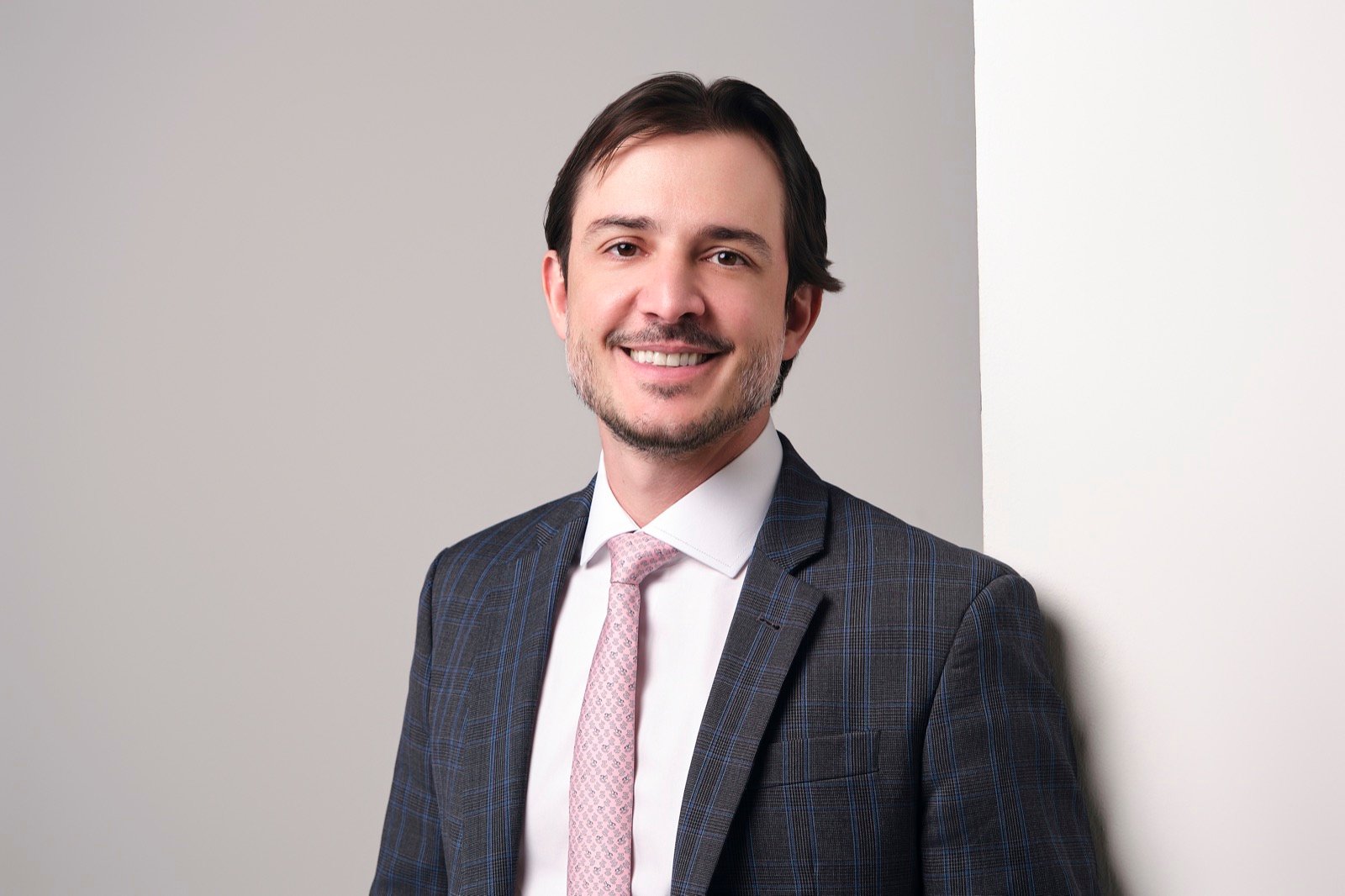
Otolaryngologist and facial plastic surgeon · CRM-PR 33.018 · RQE 17.984. PhD from FMRP-USP, founder of the Sella Learning Center. Updated on 2026-10-07.
Frequently asked questions
Can I fly 3 days after rhinoplasty?
It is generally discouraged. The first 72 hours carry the highest risk of bleeding and the external cast is still in place, so no one has examined the incisions yet. Flying that early is considered only in exceptional situations and with explicit medical clearance.
Does airplane cabin pressure move the nasal bones?
No. The pressure change in a commercial cabin is far too small to displace osteotomies, grafts or a preserved dorsum. The practical problems with early flights are dry air, swelling, bleeding risk and being far from the surgical team.
How long do out-of-town patients stay in Maringá?
Most patients arrive one to two days before surgery and stay about seven days in total, leaving after the external cast is removed and the nose is checked. Longer stays are planned for revision cases or combined facial procedures.
Can I wear sunglasses at the airport after rhinoplasty?
Nothing should rest on the bridge of the nose for about four weeks. Use contact lenses if you need vision correction, or tape glasses to your forehead so the weight does not fall on the dorsum.
Will my face look more swollen after the flight?
Mild extra swelling after a flight is common because of cabin dryness and hours of immobility. It usually settles within one or two days. Hydration, saline irrigation and keeping the head elevated help.
Do I need to come back to Brazil for follow-up?
Follow-up is scheduled at 1, 3, 6 and 12 months and can be done in person or online for patients who live far away. Many international patients return once during the first year and complete the rest remotely.
Book a consultation with Dr. Guilherme Sella
In person in Maringá, Brazil, or by video consultation. English-speaking team.