

Is it safe to get a nose job in Brazil?
Brazil has a strict medical registry, accredited private hospitals and a long rhinoplasty tradition. Safety depends less on the country and more on who operates, where, and how your follow-up is organized.
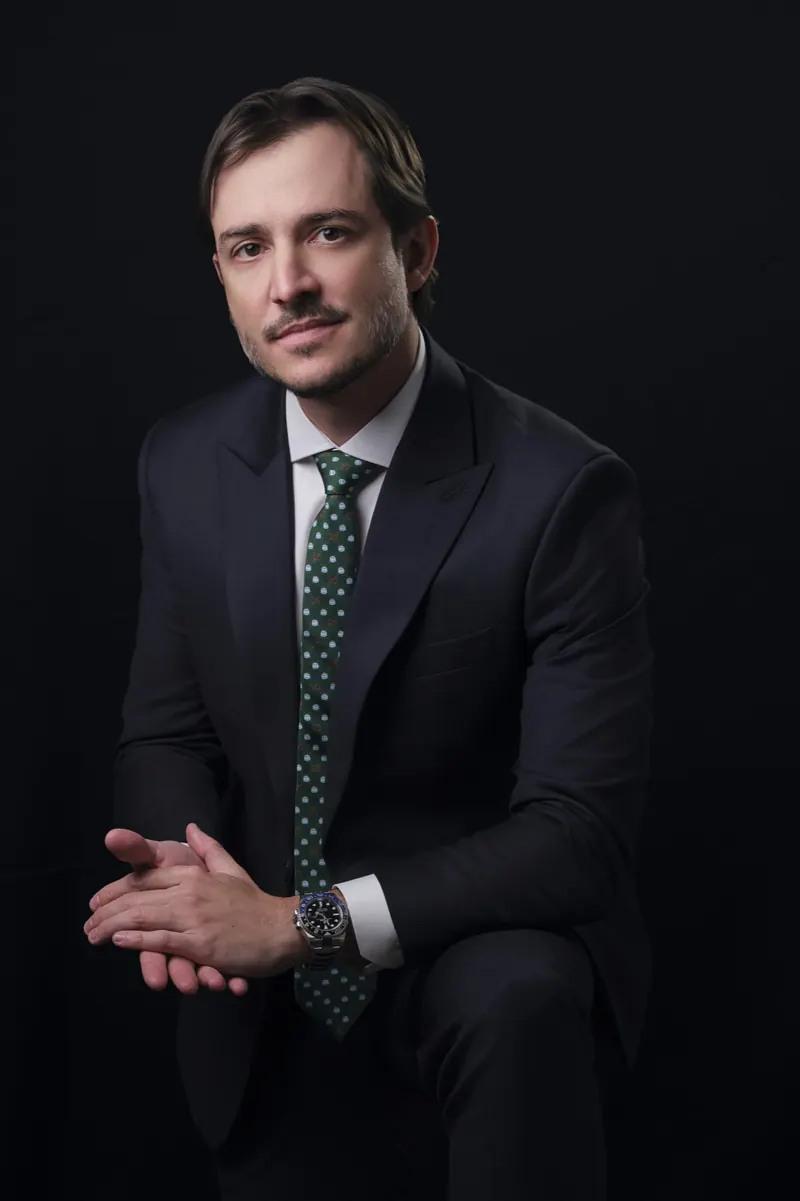
Rhinoplasty in Brazil can be performed to high standards, but safety depends on verifiable details rather than on the country itself. Every doctor must hold a CRM registration and, to advertise a specialty, an RQE number issued after accredited residency. Surgery should happen in a licensed hospital with an anesthesiologist, ICU backup and overnight observation, not in an unregulated office. International patients should also confirm a written follow-up plan before booking. Dr. Guilherme Sella holds CRM-PR 33.018 and RQE 17.984, with residency and a doctorate at HCFMRP-USP.
Why the question is really about the surgeon, not the country
Brazil has one of the largest facial surgery communities in the world, a national medical council system, accredited residency programs and private hospitals that match international standards. None of that protects an individual patient. What protects you is a chain of verifiable facts: who holds the scalpel, what their specialty registration says, where the operation takes place, who gives the anesthesia, and what happens in the twelve months after you fly home.
The same logic applies in Miami, Istanbul or London. The difference is that each country has its own paper trail. This page explains the Brazilian paper trail so you can check it yourself.
How Brazil regulates doctors: CRM and RQE
Two numbers matter.
CRM is the license to practice medicine, issued by the Regional Council of Medicine of each state. CRM-PR means the state of Paraná. Without a valid CRM, a person cannot legally practice medicine in Brazil.
RQE stands for Registro de Qualificação de Especialista, the specialist qualification registry. A doctor only receives an RQE after completing an accredited residency or obtaining a specialist title from the recognized national society, and the number is linked to one specialty. Brazilian advertising rules, under CFM Resolution 2.336/2023, require the specialty and the RQE to be displayed whenever a doctor presents themselves as a specialist.
For nasal surgery, the two recognized routes are Otorhinolaryngology and Plastic Surgery. Dr. Guilherme Sella is registered as CRM-PR 33.018 with RQE 17.984 in Otorhinolaryngology, a title granted by the ABORL-CCF in 2014, after residency at the Hospital das Clínicas of the Ribeirão Preto Medical School, University of São Paulo.
How to verify a Brazilian surgeon in about ten minutes
- Search the surgeon's full name on the Conselho Federal de Medicina public portal. You will see the CRM, the state, the status of the registration and any RQE.
- Confirm that the RQE specialty matches nasal surgery. A valid CRM alone does not mean specialist training.
- Check society membership. Titular membership in ABORL-CCF, in the Brazilian Academy of Facial Plastic Surgery (ABCPF) or in the Brazilian Society of Plastic Surgery requires documented training.
- Look for indexed publications. Search the surname on PubMed. Dr. Sella appears as author of six indexed papers, including three on dorsal preservation rhinoplasty in Facial Plastic Surgery Clinics of North America and Facial Plastic Surgery.
- Check teaching activity. Running a fellowship or hands-on courses means the surgeon is audited by peers week after week.
- Ask which hospital will be used and verify that it exists, is licensed and has an ICU.
If any of these steps is answered with vague marketing instead of a document, treat it as information, not as an insult.
Hospital standards: what to demand
Rhinoplasty under general anesthesia is not an office procedure. In Brazil, a hospital operating room must have a dedicated anesthesiologist, monitoring, recovery area and access to intensive care.
Dr. Sella performs rhinoplasty at the Saine Health Complex in Maringá, a 7,500 m² boutique hospital with eleven operating rooms, adult and neonatal ICU, intensive care physicians on site 24 hours and a hyperbaric medicine unit. Patients stay 12 to 24 hours after surgery. Smaller procedures that can be done under local anesthesia, such as upper blepharoplasty, otoplasty or fat grafting, may be performed at the clinic in Maringá.
| Element | What a safe setup looks like | Warning sign |
|---|---|---|
| Surgeon | Valid CRM plus RQE in a nasal specialty | No RQE, or specialty unrelated to the nose |
| Facility | Licensed hospital with ICU | Unlicensed office for general anesthesia |
| Anesthesia | Board-certified anesthesiologist present throughout | Sedation given by the surgeon |
| Consultation | Full exam, including inside the nose | Quote sent by message, no exam |
| Pricing | Budget only after consultation | Fixed price before any evaluation |
| Follow-up | Written schedule and direct channel | No plan after you fly home |
The consultation is a safety step, not a formality
A proper nasal assessment takes about an hour. It includes history, external and internal examination, standardized photographs, digital simulation and a clear explanation of the planned technique and recovery timeline. High-frequency dermatologic ultrasound may be used to assess skin thickness, previous fillers, old grafts or fractures.
Only after that evaluation can technique, surgical time, graft needs and therefore the surgical plan be defined. Any service that sends you a package price before examining your nose is selling a product, not planning an operation. Digital simulation is a communication tool and typically reflects around 60 to 70 percent of the final result.
All care is private. The clinic issues documentation so you can request reimbursement from your insurer where applicable, including the functional component such as septoplasty, turbinate surgery or sinus surgery. Learn more about technique options on the rhinoplasty page, including dorsal preservation and ultrasonic rhinoplasty.
Follow-up from abroad: the part most people underestimate
Safety does not end when you leave the operating room. A realistic plan for international and out-of-town patients looks like this:
- Initial teleconsultation, with preoperative tests performed in your home city
- Arrival in Maringá one to two days before surgery
- Overnight hospital stay, then outpatient care
- About seven days in the city until the external cast is removed
- Flying cleared after cast removal
- Reviews at 1, 3, 6 and 12 months, in person or online
- A companion recommended for the first week
Maringá is served by MGF airport with direct flights from São Paulo and Curitiba, and is reachable by road from inland São Paulo, Mato Grosso do Sul and Paraguay. The team speaks Portuguese, English and Spanish. Details are on the international patients page.
Risks are real and must be discussed
No honest page about safety omits this. Rhinoplasty can involve bleeding, infection, asymmetry, breathing changes, prolonged swelling and dissatisfaction with shape. Light bleeding in the first 48 to 72 hours is expected. Periorbital bruising can last up to 15 days. Numbness of the lip and front teeth may persist up to three months. The definitive result takes 6 to 12 months, and up to 18 months in thick skin or revision cases. Published revision rates in the literature range from about 5 to 15 percent, and revision is generally considered only after 12 months.
When to see Dr. Sella
If you are considering nasal surgery in Brazil and want the credentials, the hospital and the follow-up plan spelled out before you commit, book an evaluation. Indication, technique and risks are individual and defined only in consultation, in person in Maringá or by teleconsultation. You can reach the team through the contact page.
Otolaryngologist and facial plastic surgeon · CRM-PR 33.018 · RQE 17.984. PhD from FMRP-USP, founder of the Sella Learning Center. Updated on 2026-10-10.
Frequently asked questions
How do I check that a Brazilian surgeon is a real specialist?
Search the full name on the Conselho Federal de Medicina public registry and confirm both the CRM number and an RQE in a specialty that covers nasal surgery. Dr. Guilherme Sella is registered as CRM-PR 33.018, RQE 17.984 in Otorhinolaryngology.
Can an otorhinolaryngologist perform cosmetic rhinoplasty in Brazil?
Yes. Otorhinolaryngology and Plastic Surgery are the two recognized routes to nasal surgery in Brazil. An otorhinolaryngologist with facial surgery training operates both the function and the shape of the nose in the same procedure.
Is rhinoplasty done in a hospital or in a clinic?
Rhinoplasty under general anesthesia should be performed in a licensed hospital with an anesthesiologist and ICU backup. Dr. Sella operates at the Saine Health Complex in Maringá, with a 12 to 24 hour stay.
How long do I need to stay in Brazil after a nose job?
Most patients arrive one or two days before surgery and stay about seven days in total, until the external cast is removed. Flying is usually cleared after cast removal.
What happens if I have a problem after I return home?
Reviews are scheduled at 1, 3, 6 and 12 months and can be done online when travel is not possible. A direct channel with the team is part of the plan agreed before surgery.
Will I get a price before the consultation?
No. The surgical budget depends on technique, operating time and grafts, so it is provided only after a full evaluation. The quote includes team, hospital, anesthesia and follow-up visits.
Do I need a Brazilian visa or special paperwork to have surgery in Maringá?
Visa rules depend on your nationality and are set by Brazilian immigration, so check your consulate before booking any date. For the medical side, you need a valid passport, your preoperative exams and any imaging or operative reports from previous nasal surgery. Dr. Sella's team usually starts with a teleconsultation so the plan and the travel window are defined before you buy tickets.
Is it safe to fly home after rhinoplasty?
Flying is generally released after the external cast is removed, which happens around seven days after surgery. Before that, swelling, bleeding risk and the need for close follow-up make an early flight inadvisable. On long flights, hydration, walking in the aisle and avoiding blowing the nose are the usual recommendations, and the exact release date is always individual.
How do I know the anesthesia will be handled properly?
Rhinoplasty with Dr. Sella is performed under general anesthesia, or sedation in selected cases, always with a qualified anesthesiologist in a licensed hospital. Surgery takes around three to five hours, with revision cases often longer, followed by twelve to twenty-four hours of inpatient observation. Ask any surgeon, anywhere, who gives the anesthesia and where the operation takes place before you commit.
Does my health insurance cover rhinoplasty in Brazil if I live abroad?
Care at the clinic is private and no insurance plans are accepted directly. The clinic provides full documentation of the procedure, including the functional part such as septoplasty, turbinoplasty or sinus surgery, so you can submit a reimbursement request to your own insurer. Whether your policy accepts foreign treatment is a question only your insurer can answer.
Book a consultation with Dr. Guilherme Sella
In person in Maringá, Brazil, or by video consultation. English-speaking team.