

Rhinoplasty in Brazil, checked point by point.
Flying abroad for nose surgery is a logistics problem before it is a surgical one. This guide shows exactly what to verify about the surgeon, the hospital, the paperwork and the months of follow-up that come after.
Rhinoplasty in Brazil can be done safely when the surgeon, the facility and the follow-up plan are verified before you buy a ticket. Confirm the CRM license and the RQE specialty number, check that surgery happens in a licensed hospital with an adult ICU and a dedicated anesthesiologist, and plan about 7 days in the city until the external cast is removed. Ask who answers at 2 a.m., and how the 1, 3, 6 and 12 month reviews will run. Dr. Guilherme Sella operates in Maringá at a hospital with 24 hour intensivists and consults in English and Spanish.
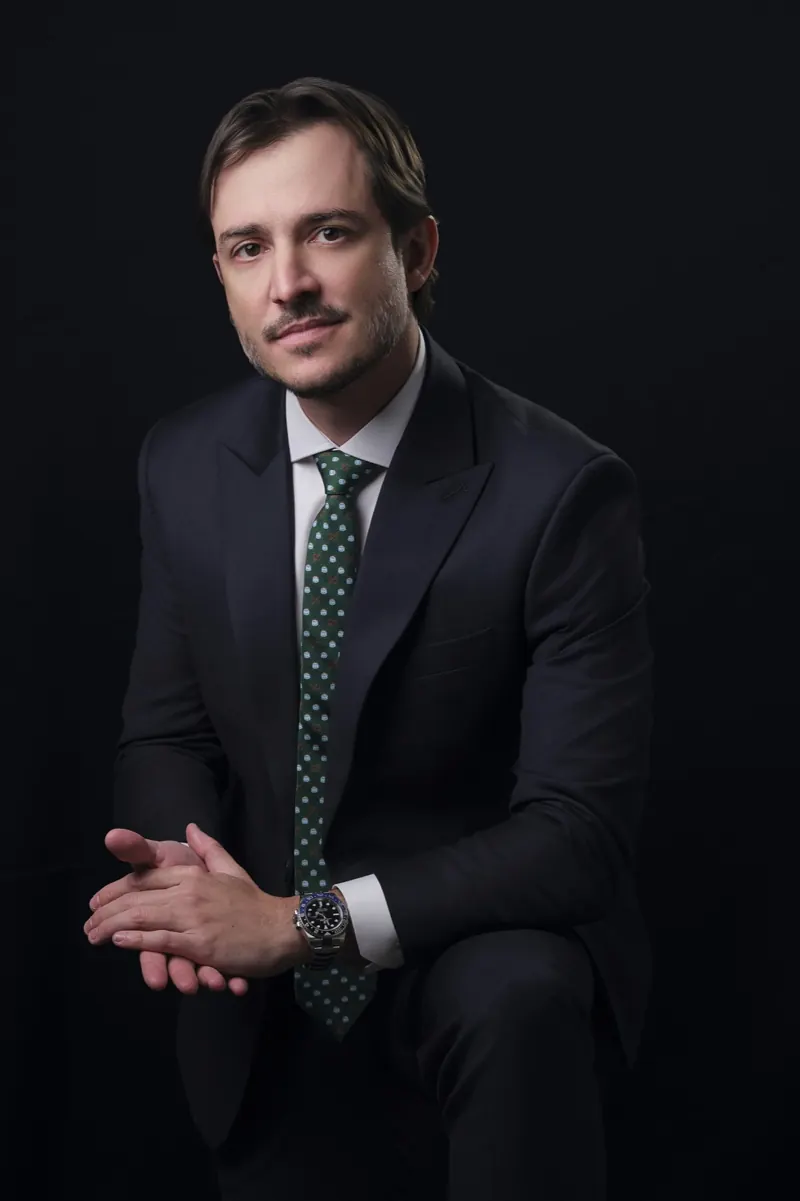
Why Brazil shows up in rhinoplasty searches
Brazil has a long surgical tradition in facial surgery, a large volume of nasal surgery and strong teaching structures. Rhinoplasty is performed here both by otolaryngologists and by plastic surgeons, and several Brazilian authors publish in international journals on dorsal preservation and structural techniques.
That reputation does not transfer automatically to every clinic. Medical travel adds variables that a local patient never faces: you cannot visit the facility in advance, you may not share a language with the nursing team, and you will be on a plane while your nose is still healing. The checklist below exists to remove those variables one by one.
Step 1: verify the surgeon, not the feed
In Brazil every physician has a CRM number, the state medical license. A physician who completed a recognized residency and holds a board title also has an RQE number, which links the license to a specialty. Both are public and searchable on the Federal Council of Medicine portal.
What to ask for before anything else:
- Full legal name, CRM number and state
- RQE number and the specialty it certifies
- Residency program and year of completion
- Society membership, such as ABORL-CCF for otolaryngology or ABCPF for facial plastic surgery
- Published work or teaching activity you can read yourself
For reference, Dr. Sella holds CRM-PR 33.018 and RQE 17.984, trained at HCFMRP-USP in Ribeirão Preto, completed a direct doctorate in morphophysiology of facial structures at the same institution and is a full member of ABORL-CCF and ABCPF. His PubMed record includes papers on preservation rhinoplasty in Facial Plastic Surgery Clinics of North America. You can read more on the surgeon's background page.
A surgeon who cannot be identified by license number and training program is not a candidate for international surgery.
Step 2: the facility, the ICU and anesthesia
Rhinoplasty under general anesthesia belongs in a licensed hospital with an anesthesiology team and critical care backup. Office procedure rooms are appropriate for smaller operations under local anesthesia, such as upper blepharoplasty or otoplasty, and not for a three to five hour nasal reconstruction.
Ask these questions directly:
| What to verify | Acceptable answer | Warning sign |
|---|---|---|
| Where the surgery happens | Named, licensed hospital with address | "Our partner facility", no name given |
| Adult ICU on site | Yes, with intensivists available 24 h | ICU "nearby" or by ambulance transfer |
| Anesthesia | Dedicated anesthesiologist present throughout | Sedation managed by the surgeon |
| Overnight stay | Planned inpatient observation | Discharge within hours after general anesthesia |
| Emergency contact | Direct line answered at night | Only a sales channel during business hours |
In Maringá, Dr. Sella operates at the Saine Health Complex, a 7,500 square meter hospital with 11 operating rooms, adult and neonatal ICU and intensivists on duty around the clock. Rhinoplasty patients stay 12 to 24 hours for observation.
Step 3: language and informed consent
Consent is only informed if you understood it. Dr. Sella speaks Portuguese, English and Spanish and runs the consultation himself, with no interpreter in the middle of the surgical plan. The consultation lasts about an hour and includes history, internal nasal examination, standardized photographs, digital simulation and the postoperative timeline. High frequency dermatologic ultrasound is used when skin thickness, previous fillers or prior grafts need to be mapped.
Simulations are a communication tool. Expect roughly 60 to 70 percent similarity to the final result, which is a planning reference and not a contract. Ask any surgeon who shows you a morph what that number is in their practice.
Step 4: documents to prepare before you fly
International patients usually start with a teleconsultation, then run laboratory tests and imaging in their home city. Bring or send in advance:
- Passport and, when applicable, a visa valid for the whole stay
- Recent blood work, with dates
- Cardiac evaluation when age or history requires it
- Previous operative reports, if you had nasal or sinus surgery before
- CT scan of the nose and sinuses, when requested
- A full list of medications, supplements and allergies
- Travel insurance details and a named companion with contact information
Care at the clinic is private, without Brazilian health insurance contracts. The team issues the documentation needed for reimbursement requests with your own insurer, including for the functional component such as septoplasty, turbinate surgery or endoscopic sinus surgery. Cost estimates are given only after the consultation, because they depend on technique, operative time and grafts. Full details for travelers are on the international patients page.
Step 5: how long to stay in Brazil
The realistic schedule for a primary rhinoplasty looks like this:
- Arrive 1 to 2 days before surgery for in person evaluation and final tests
- Surgery, then 12 to 24 hours of hospital observation
- External aquaplast cast for about 7 days, followed by one week of taping
- Cast removal around day 7, after which flying is released
- Total stay of about 7 days in Maringá, longer for revision cases
A companion during the first week is strongly recommended. The team can suggest accommodation close to the clinic. Maringá has an airport with direct flights from São Paulo and Curitiba, and is reachable by road from the interior of São Paulo, Mato Grosso do Sul and Paraguay.
Step 6: follow-up after you go home
This is where medical travel most often fails. Healing continues for 6 to 12 months, and up to 18 months in thick skin or revision cases. Mild bleeding in the first 48 to 72 hours, periorbital bruising for up to 15 days and numbness of the lip or upper teeth for up to three months are expected parts of the course.
A serious plan includes scheduled reviews at 1, 3, 6 and 12 months, in person or online, plus a direct channel for questions in between. Revision rates reported in the rhinoplasty literature range from 5 to 15 percent, and a revision is only considered after 12 months. Ask in advance how a possible revision would be handled logistically and financially, before you commit to travel.
Step 7: red flags in medical travel offers
- Package deals priced before any medical consultation
- Pressure to book flights while you are still deciding
- Promises of a specific result or of a risk free procedure
- No named hospital, no named anesthesiologist
- Contact only through an agency, never with the surgeon
- Surgery scheduled for the day you land
- Permanent fillers offered as a shortcut to surgery, such as PMMA or silicone in the nose, which Dr. Sella does not recommend
Technique still matters
Safety and technique are not separate topics. Dorsal preservation and ultrasonic rhinoplasty aim at more controlled bone work and, in many cases, less soft tissue trauma. Which approach fits your anatomy is decided in consultation, after examination and imaging, never from photographs sent by message.
When to talk to Dr. Sella
If you are considering traveling to Brazil for nasal surgery, start with a teleconsultation before booking anything. Indication, risks and the surgical plan are individual and defined only after a full evaluation. The team can be reached through the contact page or on WhatsApp at +55 44 99121-2021.
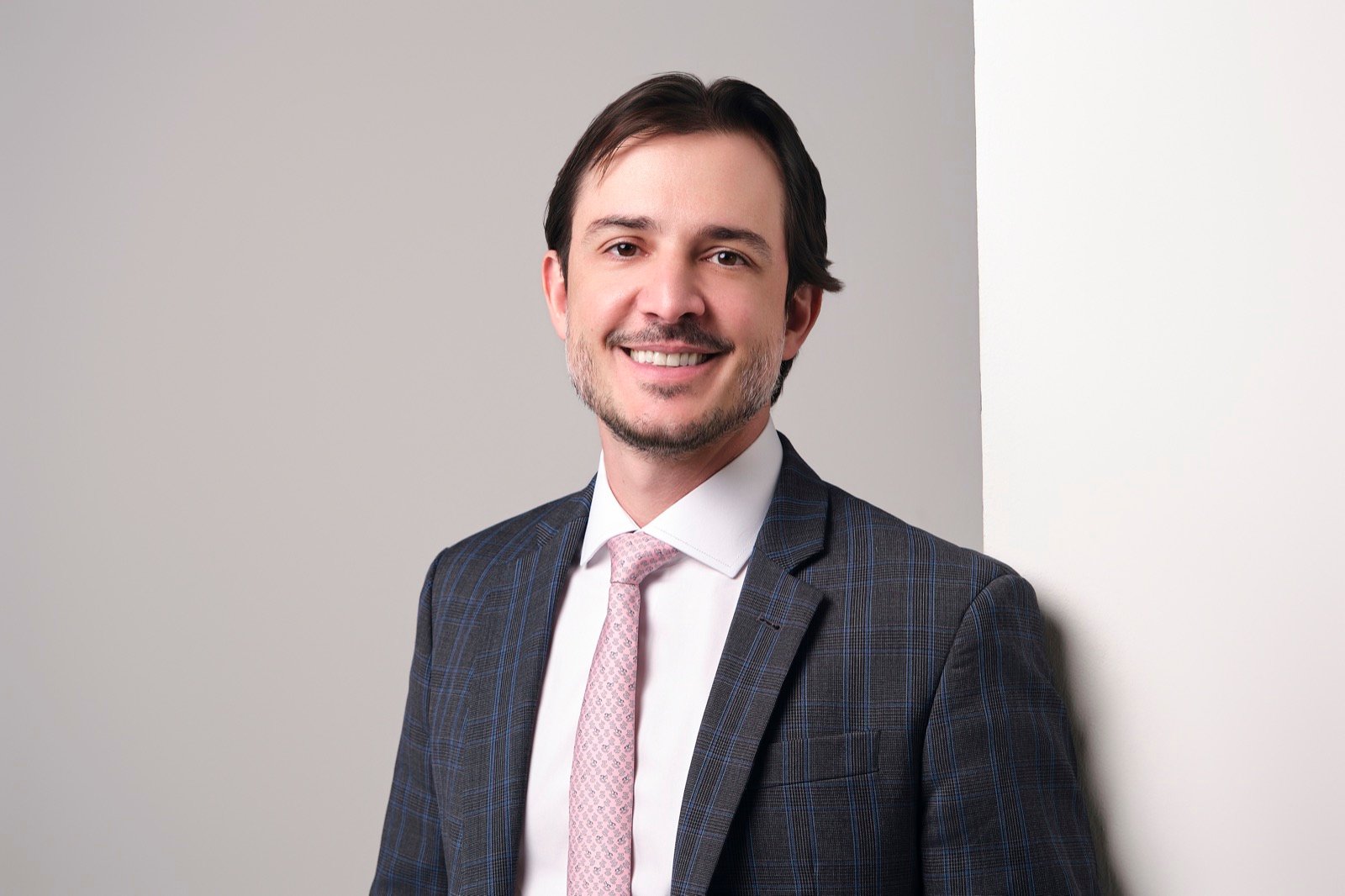
Otolaryngologist and facial plastic surgeon · CRM-PR 33.018 · RQE 17.984. PhD from FMRP-USP, founder of the Sella Learning Center. Updated on 2026-10-07.
Frequently asked questions
Is it safe to have rhinoplasty in Brazil as a foreign patient?
It can be, provided you verify the surgeon's CRM and RQE registration, confirm that surgery takes place in a licensed hospital with an adult ICU and a dedicated anesthesiologist, and agree on a follow-up schedule before traveling. Safety depends on the specific surgeon and facility, not on the country.
How long do I need to stay in Maringá after rhinoplasty?
Plan about seven days, counting from the day of surgery until the external cast is removed. Patients usually arrive one or two days before surgery for final evaluation, and revision cases may require a longer stay.
When can I fly home after nose surgery?
Flying is generally released after the external cast is removed, around day seven. The exact release is individual and confirmed at the postoperative visit.
Does Dr. Sella speak English?
Yes. Consultations are conducted directly by the surgeon in Portuguese, English or Spanish, without an interpreter between you and the surgical plan.
Will my health insurance reimburse the surgery?
Care is private and does not operate through Brazilian insurance contracts. The clinic provides the documentation needed to request reimbursement from your own insurer, including for functional components such as septoplasty or turbinate surgery, and the decision rests with the insurer.
How are follow-up visits handled after I return to my country?
Reviews are scheduled at 1, 3, 6 and 12 months and can be done in person in Maringá or online, with a direct channel to the team for questions between appointments.
Book a consultation with Dr. Guilherme Sella
In person in Maringá, Brazil, or by video consultation. English-speaking team.