

One week of observership in rhinoplasty in Brazil.
A practical guide for otolaryngologists, plastic surgeons and maxillofacial surgeons who want to spend a full week inside a high-volume rhinoplasty practice in Brazil, from the operating room to the consultation.
An observership in rhinoplasty in Brazil is a short, immersive visit in which a qualified surgeon follows a full week of a specialized practice. At the Sella Learning Center in Maringa, the weekly format run by Dr. Guilherme Sella includes roughly five surgeries and four clinic periods, covering preservation, ultrasonic and structural rhinoplasty, plus revision cases and preoperative nasal ultrasound. More than fifty physicians have already attended this weekly format. It is observational only, since operating in Brazil requires a Brazilian medical license. Dates, language and focus are agreed in advance.
What an observership in rhinoplasty really is
An observership is a structured period of clinical observation inside an active practice. You are not a student in an auditorium and you are not an assistant surgeon. You stand in the operating room, follow every step of the case, ask questions during and after the procedure, and then see the same logic applied in the consultation room.
For rhinoplasty this format solves a specific problem. Courses teach technique in isolated modules. Books describe maneuvers. What is hard to transmit is decision making: why this nose receives a let down and that one receives a structural dorsal reconstruction, when a piezoelectric instrument changes the sequence of the operation, how the skin envelope changes the plan.
Since 2021, dozens of physicians per year have visited the practice in Maringa, from several Brazilian states and from countries across Latin America and Europe. The weekly mentorship format alone has already received more than fifty doctors.
Who the program is for
The observership is restricted to physicians. A valid medical registration is required at enrollment, and the profile is:
- Otolaryngologists with or without facial plastic training
- Plastic surgeons who already perform rhinoplasty and want exposure to preservation and ultrasonic techniques
- Maxillofacial surgeons working with the nasal pyramid and midface
- Senior residents and fellows in these specialties, with support from their program
There is no requirement of a minimum case volume. Surgeons starting their rhinoplasty practice and surgeons with years of experience take different things from the same week, so the agenda is adjusted in advance according to what you want to look at.
How the week is structured
The weekly format follows the real calendar of the practice. A typical week looks like this:
| Block | What happens | What you observe |
|---|---|---|
| Operating room | About five surgeries across the week | Markings, anesthesia plan, open and closed approaches, dorsal preservation, piezoelectric osteotomies, tip structuring, grafts from septum, ear or rib |
| Clinic | About four office periods | First consultations, standardized photography, digital simulation, internal nasal examination, functional assessment, postoperative follow-up visits |
| Discussion | Between cases and at the end of the day | Indication criteria, why a technique was chosen, complication management, revision planning |
| Imaging | When indicated | High-frequency dermatologic ultrasound of the nose for skin thickness, previous fillers, grafts and columellar vascularization |
Surgeries take place at Saine Health Complex, a boutique hospital in Maringa with eleven operating rooms and adult and neonatal intensive care. Consultations happen at Clinica Renassance, in Zona 01.
Numbers are an average and depend on the surgical schedule of that specific week, on patient consent and on hospital rules. Every patient is informed that a visiting physician will be present, and consent is mandatory.
What you will see in the operating room
The practice combines functional and aesthetic nasal surgery in the same operation, which is natural for a surgeon trained in otolaryngology at HCFMRP-USP. Over the course of a week you are likely to observe some combination of:
- Dorsal preservation rhinoplasty with push down and let down maneuvers
- Ultrasonic rhinoplasty with piezoelectric instruments for osteotomies and dorsal refinement
- Structural work on the tip, including modified lateral crural tensioning
- Septoplasty, turbinoplasty and nasal valve correction
- Revision rhinoplasty, usually longer and more graft dependent
The scientific background of these techniques is documented. Dr. Sella is a co-author of PubMed indexed papers on preservation rhinoplasty, including work on expanding indications for dorsal preservation and on the Brazilian approach to dorsum preservation, published in Facial Plastic Surgery Clinics of North America. More on his training and publications is available on the profile page.
The clinic side, which is half of the value
Many visiting surgeons arrive focused on the operating room and leave talking about the consultation. Each first appointment lasts about one hour and follows a fixed sequence: history, physical examination including internal nasal endoscopy, standardized photographs, digital simulation, explanation of the planned technique and a written postoperative timeline.
You see how expectations are calibrated, how simulation is presented as an approximation rather than a promise, and how candidates are declined when the indication is not appropriate. For surgeons building a practice, this part of the week is often what changes their routine first.
Observership, fellowship or course: choosing the right format
| Format | Duration | Profile | Main focus |
|---|---|---|---|
| Weekly observership | 1 week | Physicians from Brazil and abroad | Immersion in real cases, operating room and clinic |
| Annual fellowship | 12 months | Otolaryngologists, one per year, no cost to the fellow | Supervised participation, weekly scientific meetings, research output |
| Preservation courses | 4 to 5 days | Small groups of 5 to 6 surgeons | Live surgeries, fresh cadaver dissection, structured curriculum |
| Maringa RhinoFace Summit 2026 | 3 days, November 12 to 14, 2026 | Open to physicians with medical registration | International faculty from 8 countries, live surgery, anatomy sessions |
If you want a curriculum with cadaver dissection, the course format is more efficient. If you want to understand how a practice runs day to day, the observership is the better fit. Several surgeons do both, starting with a week of observation and returning for a course later.
Logistics for international surgeons
Maringa is in northern Parana, in southern Brazil. The local airport, MGF, has direct flights from Sao Paulo, both Guarulhos and Congonhas, and from Curitiba. Most international visitors land in Sao Paulo and take a connecting flight of about one hour.
Practical points:
- Check visa requirements for Brazil according to your nationality, well in advance.
- Plan to arrive the day before the week begins, since the first surgical day usually starts early.
- Bring scrubs if you prefer your own, although the hospital provides them.
- Observation is conducted in Portuguese, English or Spanish, depending on the group.
- A declaration of attendance can be issued in English or Spanish on request, for your institution or licensing body.
The team can indicate hotels close to the clinic. Maringa is also reachable by road from the interior of Sao Paulo state, Mato Grosso do Sul and Paraguay.
Limits you should know before applying
Observership means observation. Under Brazilian regulation, performing surgery requires registration with a regional medical council, so visiting physicians do not operate, do not assist at the field in a formal capacity and do not prescribe. Photography and video recording follow hospital rules and patient consent, which means some cases may not be recorded.
Dates are limited because only one or a very small group of visitors is accepted per week, which keeps the experience useful. Scheduling is usually done months in advance.
When to contact the Sella Learning Center
If you want to request a week, send your medical registration number, specialty, current rhinoplasty volume and the topics you want to prioritize. Availability, dates and format are confirmed case by case. Requests for the medical education programs go through the Sella Learning Center channel, and general information is on the contact page.
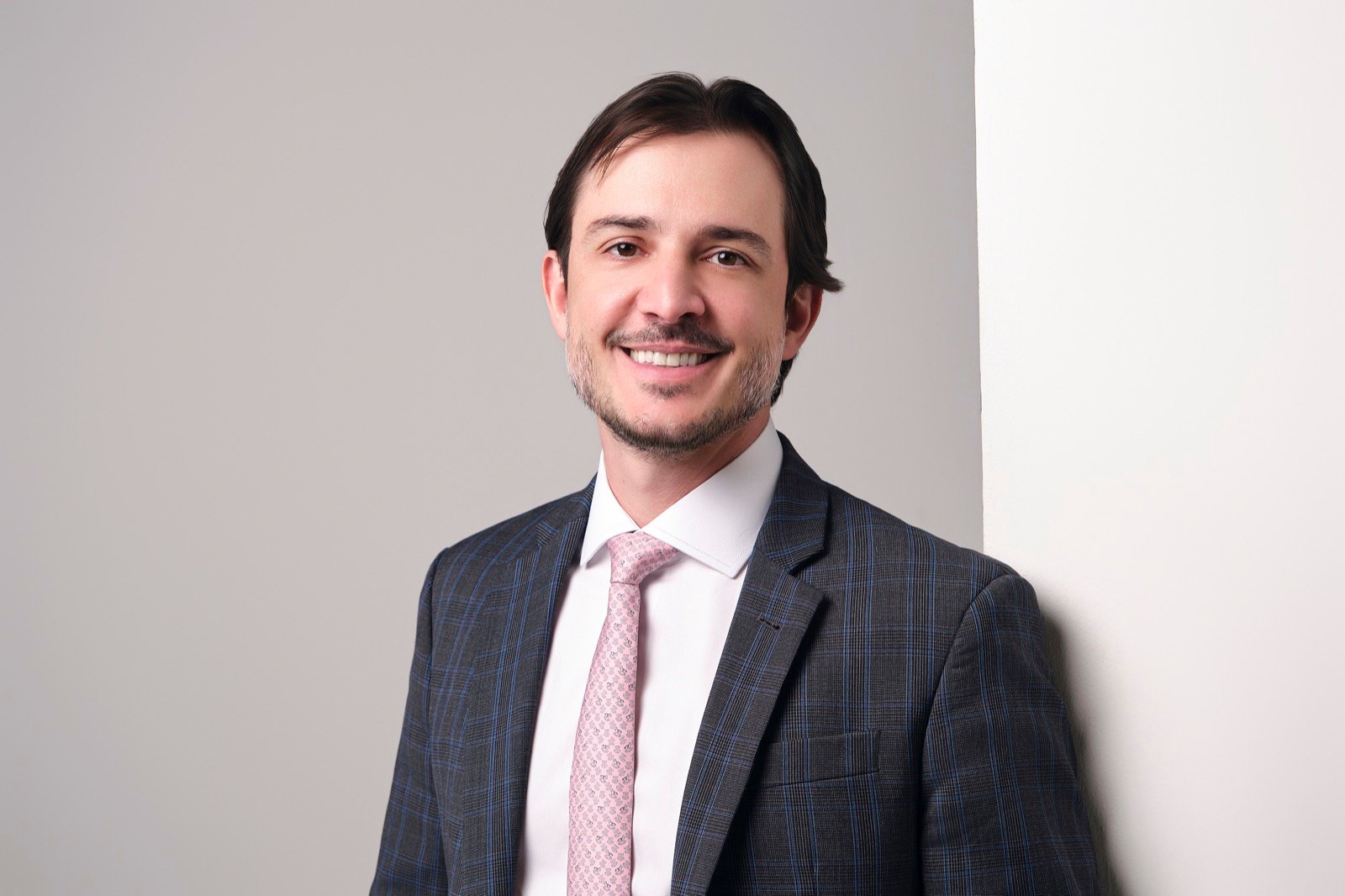
Otolaryngologist and facial plastic surgeon · CRM-PR 33.018 · RQE 17.984. PhD from FMRP-USP, founder of the Sella Learning Center. Updated on 2026-10-31.
Frequently asked questions
Can I operate or assist during the observership?
No. Performing surgery in Brazil requires registration with a regional medical council, so international visitors observe only. Discussion, questions and close observation in the operating room are part of the program.
How many surgeries will I see in one week?
The weekly format includes about five surgeries and four clinic periods. The exact number depends on the surgical schedule of that week and on patient consent.
Which language is used during the observership?
Portuguese, English or Spanish, depending on the visiting surgeon. Dr. Sella speaks all three languages and the team can issue documentation in English or Spanish on request.
Do I need to be a rhinoplasty surgeon already?
No. The program accepts otolaryngologists, plastic surgeons and maxillofacial surgeons at different stages, from those starting in rhinoplasty to experienced surgeons. The agenda is adjusted according to your goals.
How far in advance should I apply?
Only one visitor or a very small group is accepted per week, so scheduling is usually done months ahead. Send your request with your preferred months and alternative dates.
What is the difference between the observership and the annual fellowship?
The observership lasts one week and is purely observational. The fellowship lasts twelve months, is limited to one otolaryngologist per year, includes supervised participation in surgery, weekly scientific meetings and research output.
Do I get a certificate at the end of the week?
Yes, a certificate of attendance is issued at the end of the weekly observership, stating the dates and the activities followed. If your institution or society needs a specific format or wording, ask in advance so the team can prepare the document. Requests in English or Spanish can also be arranged.
How do I apply for a one-week observership in Maringa?
Applications go through the Sella Learning Center WhatsApp for physicians, (44) 99167-2023, where you send your medical registration and your areas of interest. The team then checks the surgical calendar and proposes available weeks. Dates are confirmed only after the agenda for that week is defined.
How do I get to Maringa and where should I stay?
Maringa has an airport with direct flights from Sao Paulo and Curitiba, and the city is also reachable by road from the interior of Sao Paulo, Mato Grosso do Sul and Paraguay. The clinic is on Avenida Cidade de Leiria, in Zona 01, and the team can suggest hotels within a short distance. Surgeries take place at a hospital in the same city.
Will I see revision rhinoplasty and nasal ultrasound during the week?
The week follows the real surgical calendar, so the case mix varies. Revision cases, rib and ear grafts and preoperative high frequency nasal ultrasound appear regularly, and the agenda is discussed with you beforehand so your main interests are considered. No specific case type can be promised for a given week.
Talk to the Sella Learning Center team
Fellowship, mentorship, Preservation Week and the online platform.