

Learning preservation rhinoplasty in Brazil.
A small-group, hands-on program built for practicing surgeons: live cases every day, fresh cadaver dissection, piezoelectric instrumentation and open discussion of indications, limits and complications.
Preservation Week, also called the Preservation Ultrasonic Rhinoplasty Course, is a hands-on program held in Maringa, Brazil, by Dr. Guilherme Sella. Each edition lasts 4 to 5 days and accepts only 5 to 6 surgeons, combining 5 live surgeries, fresh cadaver dissection, case discussion and a practice management module. Six editions have been held, the sixth in November 2025. It is open to physicians only, mainly ENT, plastic and maxillofacial surgeons, and covers dorsal preservation (push down and let down), piezoelectric surgery and tip structuring. Teaching is delivered in Portuguese, English or Spanish.
What is Preservation Week?
Preservation Week is the hands-on course of the Sella Learning Center in Maringa, Parana. It is also referred to as the Preservation Ultrasonic Rhinoplasty Course, because the two pillars of the program are dorsal preservation and piezoelectric instrumentation.
The format is deliberately small. Each edition takes 4 to 5 days and accepts 5 to 6 surgeons. That number is not a marketing choice. It is the maximum group that can stand close enough to the surgical field, ask questions during the operation and dissect without sharing a specimen with ten other people.
Six editions have been held so far. The sixth took place in November 2025, with surgery every day of the course, dissection on an anatomical model and a dedicated module on practice management and communication.
The course is restricted to physicians. A valid medical registration is required at enrollment, and international surgeons are asked to present their own country's equivalent credential.
Who the course is designed for
The typical participant already operates. Preservation Week is not an introduction to rhinoplasty and it does not replace residency or fellowship training.
The program fits well for:
- ENT surgeons who perform septoplasty and functional nasal surgery and want to move into structural and preservation rhinoplasty
- Plastic surgeons trained in classic dorsal reduction who want to add push down and let down to their repertoire
- Maxillofacial surgeons who already work on the facial skeleton and want nasal-specific technique
- Surgeons who bought a piezoelectric unit and are not yet using it to its full potential
- Surgeons from Latin America, Europe and North America who want a concentrated week of live surgery rather than a weekend of slides
If you are earlier in your path, the online platform Mastering Preservation is the logical starting point. The first class is free in Portuguese, English and Spanish.
The program, day by day
Every edition is built around real operative days. The exact case mix depends on who is scheduled that week, which is intentional: participants discuss the actual patients on the list, including the difficult ones.
| Block | What happens |
|---|---|
| Morning, every day | Live surgery with narration, 5 cases across the week, open and closed approaches |
| Early afternoon | Case debrief, photo and ultrasound analysis, surgical planning for the next day |
| One full session | Fresh cadaver or anatomical model dissection, dorsal preservation maneuvers step by step |
| Theory blocks | Indications, limits, radix and keystone management, tip structuring, revision strategy |
| Final block | Practice management, documentation, photography, patient communication |
The ratio matters more than the schedule. With five or six surgeons, you watch the same operator across five consecutive cases and see how a single philosophy adapts to different noses. That repetition is what makes technique transferable.
Techniques covered
The content follows the way preservation rhinoplasty is actually practiced in the clinic, not an idealized version of it.
- Dorsal preservation: push down and let down, septal strip variations, when the dorsum should not be preserved
- Keystone, radix and septal angle management, including deviated dorsums
- Ultrasonic rhinoplasty with piezoelectric instruments: osteotomies, rasping, bone remodeling, soft tissue protection
- Ligament preservation and tip work, including modified lateral crural tensioning
- Structural grafting from septum, ear and rib when preservation is not indicated
- Preoperative high frequency skin ultrasound: skin thickness, previous fillers, prior grafts, columellar vascularization, rib selection
- Functional integration: septum, turbinates and valves operated in the same procedure
- Secondary and revision cases, which are discussed openly including what failed and why
Complications and conversions are part of the curriculum. Courses that only show the clean third of the practice teach very little.
Why learn preservation in Brazil
Brazil has a long surgical tradition in facial plastic surgery and a high national volume of aesthetic procedures according to ISAPS surveys. For preservation specifically, Brazilian groups have published actively in the international literature.
The Dr. Sella credentials behind the course are verifiable:
- Otorhinolaryngology residency and a direct doctorate in morphophysiology of facial structures at HCFMRP-USP, completed in 2018
- Structured rhinoplasty fellowship in Melbourne and Sydney, plus observerships in the United States, Portugal and Turkey
- Co-author of indexed articles on dorsal preservation, including Facial Plastic Surgery Clinics of North America 2023 and 2025 and Facial Plastic Surgery 2021
- Invited faculty in more than ten countries, including Dublin 2025 and Istanbul 2024 meetings of the EAFPS
- Founding member of the Sociedade Brasileira de Rinoplastia and titular member of ABORL-CCF and ABCPF
More detail is available on the biography page and in the lectures and faculty record.
How Preservation Week compares to the other training formats
| Format | Duration | Group size | Best for |
|---|---|---|---|
| Preservation Week | 4 to 5 days | 5 to 6 surgeons | Concentrated live surgery plus dissection |
| Weekly mentorship | 1 week | 1 surgeon | One to one observation, about 5 surgeries and 4 office sessions |
| Annual fellowship | 12 months | 1 fellow per year | ENT surgeons seeking full immersion, roughly 60 hours per week, no tuition |
| Mastering Preservation online | Self-paced | Unlimited | Theory and step-by-step video before traveling |
More than fifty physicians have already attended the weekly mentorship. The annual fellowship has run since 2022 with one fellow per year and includes weekly scientific meetings and a target of two published articles. All current formats are listed on the courses page.
Getting to Maringa
Maringa has its own airport, MGF, with direct flights from Sao Paulo (Guarulhos and Congonhas) and Curitiba. Most international surgeons connect through Sao Paulo and arrive the day before the course starts.
The operating room is at a private hospital in the city and the office sessions take place at the clinic on Avenida Cidade de Leiria. Teaching is given in Portuguese, English or Spanish, and certificates can be issued in English or Spanish on request.
If you are planning a longer trip, consider aligning it with the Maringa RhinoFace Summit 2026, the international rhinoplasty and facial surgery congress scheduled for November 12 to 14, 2026, with faculty from eight countries.
How to apply
Seats are limited by design, so dates are usually confirmed months in advance. Applications go through the Sella Learning Center team, which handles scheduling for physicians separately from patient appointments.
- Send your CV and medical registration number to the Sella Learning Center WhatsApp at (44) 99167-2023
- Indicate which format you want: Preservation Week, weekly mentorship or fellowship
- Confirm the edition dates and arrange travel once your place is reserved
- Review the online modules before arriving so the live days are spent on technique, not basics
General questions can also be sent through the contact page. Course content, case mix and schedule are defined for each edition and confirmed with registered participants in advance.
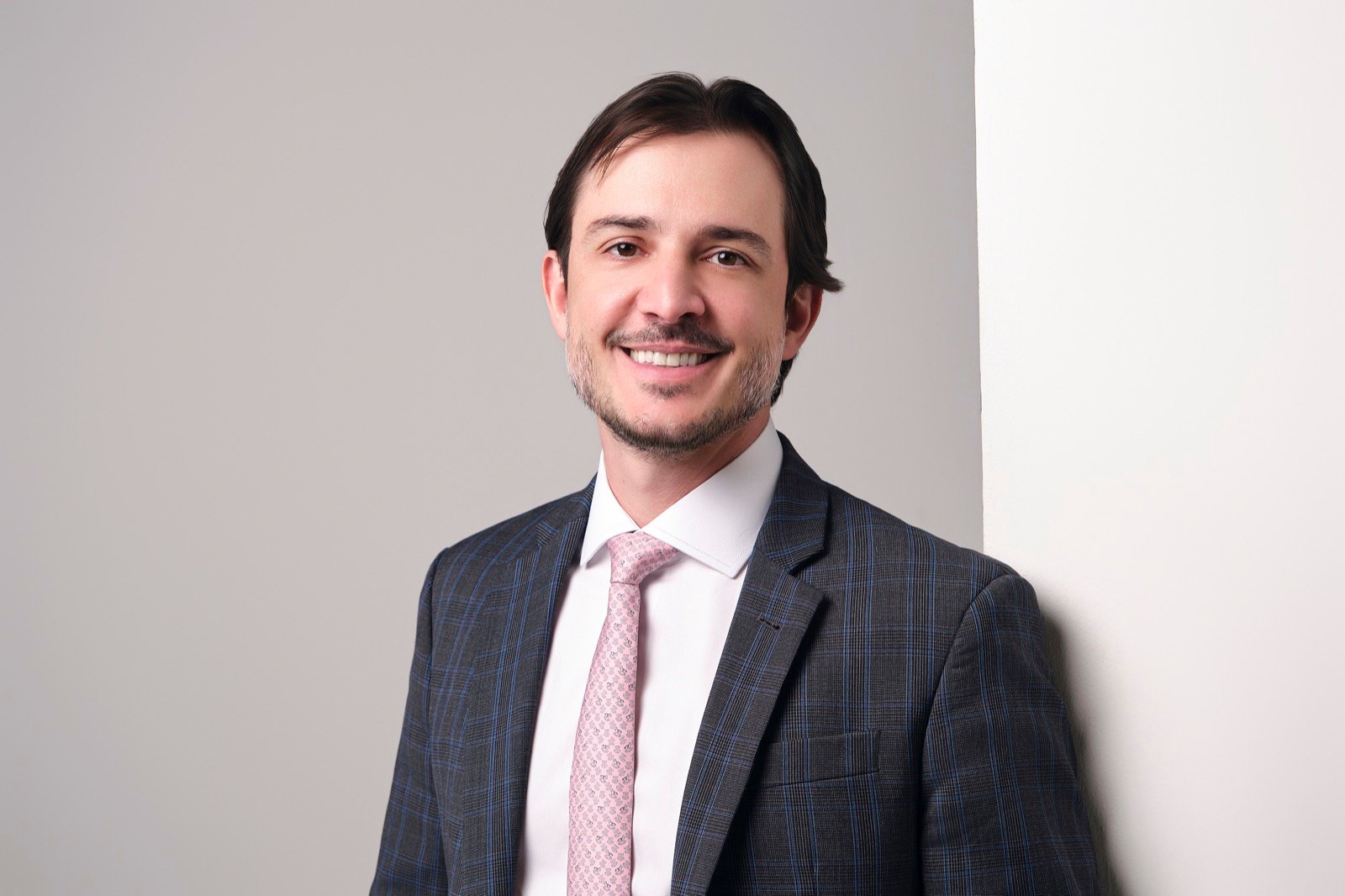
Otolaryngologist and facial plastic surgeon · CRM-PR 33.018 · RQE 17.984. PhD from FMRP-USP, founder of the Sella Learning Center. Updated on 2026-10-31.
Frequently asked questions
Is the Preservation Week course open to non-Brazilian surgeons?
Yes. The course regularly receives surgeons from Latin America and Europe, and teaching can be delivered in English or Spanish. A valid medical credential from your country is required at enrollment.
How many participants are accepted per edition?
Each edition accepts 5 to 6 surgeons. The small group allows close observation during live surgery and real hands-on time during the dissection session.
Does the course include cadaver dissection?
Yes. Each edition includes a dissection session on fresh cadaver or anatomical model, focused on dorsal preservation maneuvers and piezoelectric osteotomies.
Do I need prior rhinoplasty experience to attend?
The program is designed for surgeons who already operate. If you are starting out, the Mastering Preservation online platform is the recommended first step, with the first class available free in Portuguese, English and Spanish.
What is the difference between Preservation Week and the annual fellowship?
Preservation Week is a 4 to 5 day intensive course for a small group. The fellowship is a 12 month immersion for one ENT surgeon per year, with weekly scientific meetings and a research output target.
How do I reach Maringa for the course?
Maringa airport (MGF) has direct flights from Sao Paulo Guarulhos, Congonhas and Curitiba. Most participants connect through Sao Paulo and arrive the day before the course begins.
What language is the course taught in?
Teaching is delivered in Portuguese, English or Spanish, depending on the group attending that edition. Dr. Sella speaks all three languages, and live surgery narration and case discussions are adapted to the participants present. International surgeons can request supporting material and certificates in English or Spanish through the Sella Learning Center team.
Will I operate or assist during the live surgeries?
The live surgical days are observational for participants, with narration, close positioning around the field and open discussion during each step. Hands-on technical practice happens in the fresh cadaver or anatomical model session, where dissection and instrument handling are performed by the surgeons themselves. Supervised operating on patients is part of the annual fellowship format, not of the short course.
How far in advance should I book my trip for Preservation Week?
Editions are limited to 5 or 6 surgeons, so dates tend to close early and confirmation should come before booking flights. Most participants arrive the day before the first session and stay through the final day, since surgery happens every day of the program. The team can advise on accommodation near the clinic and the hospital in Maringa.
Does the course cover piezoelectric rhinoplasty from the beginning?
Yes. Piezoelectric instrumentation is one of the two pillars of the program, alongside dorsal preservation, and it is covered from set-up and insert selection to osteotomies and dorsal work. Surgeons who already own a piezoelectric unit but use it in a limited way usually get the most from this part of the course. Questions about your specific equipment can be sent in advance to the Sella Learning Center WhatsApp for physicians.
Talk to the Sella Learning Center team
Fellowship, mentorship, Preservation Week and the online platform.