

A full week inside preservation rhinoplasty.
Four to five days inside a working practice: live push down and let down cases, piezoelectric dorsum work, fresh cadaver dissection and the office routine that makes the technique reproducible at home.
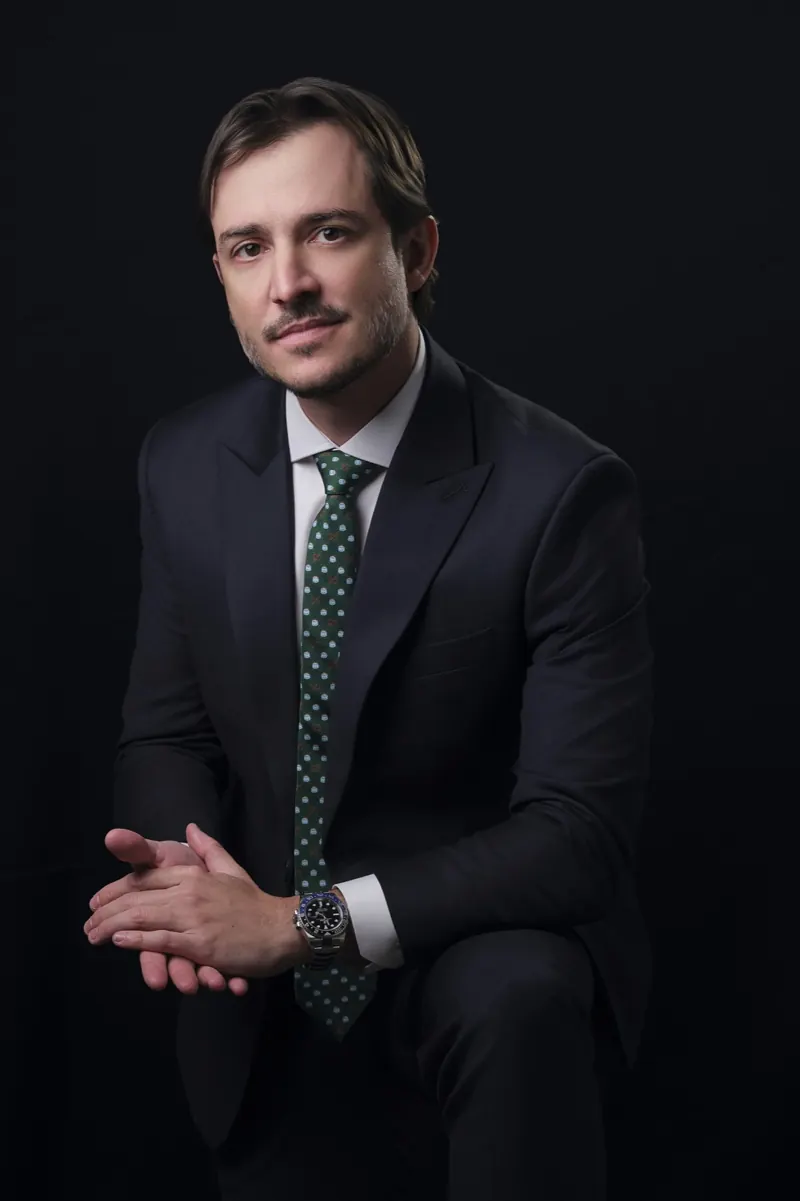
The Preservation Ultrasonic Rhinoplasty Course is a small-group program run by Dr. Guilherme Sella in Maringá, Brazil, for physicians only. Each edition lasts 4 to 5 days, with 5 live surgeries, fresh cadaver dissection and a class limited to 5 to 6 surgeons. The content covers dorsal preservation (push down and let down), piezoelectric ultrasonic osteotomies, tip structuring with ligament preservation, patient selection, preoperative nasal ultrasound and postoperative management. Six editions have already been held, the sixth in November 2025, which also included a practice management module.
What the Preservation Ultrasonic Rhinoplasty Course is
The course, also known as Preservation Week, is an immersion program for surgeons who already operate on the nose and want to add dorsal preservation and ultrasonic instruments to their practice in a structured way.
It runs for 4 to 5 days in Maringá, in the state of Paraná, Brazil. The class is intentionally small, 5 to 6 physicians per edition, so that every participant stays close to the operating table and can ask questions during the case instead of after it.
Six editions have already taken place. The sixth, in November 2025, had surgery every day, dissection on an anatomical model and a module on practice management and marketing. Full format details for each edition are listed on the courses page.
Who the course is for
Registration is restricted to physicians. The typical participant is an otolaryngologist, a plastic surgeon or an oral and maxillofacial surgeon who:
- already performs rhinoplasty and wants to migrate part of the practice to preservation techniques;
- uses only classic hump resection and wants to understand when preservation is a better fit;
- has a piezoelectric device available and wants to use it beyond simple rasping;
- is dealing with the typical early problems of the learning curve, such as recurrent hump, radix irregularity and unpredictable dorsal lines.
The program is not an introduction to rhinoplasty. Basic anatomy, open and closed approaches and septal graft harvesting are assumed knowledge. Surgeons at an earlier stage usually benefit more from the longer formats described below.
Program: what each day covers
The schedule changes slightly between editions, since it follows the real surgical calendar of the practice, but the structure is consistent.
- Day 1. Theory and planning. Indications and limits of dorsal preservation, anatomy of the keystone area, classification of dorsal deformities, patient selection, photography and digital simulation, preoperative high frequency nasal ultrasound for skin thickness, previous fillers, grafts and columellar vascularization.
- Days 1 to 4. Live surgery. Five cases operated during the week, with narration step by step. Participants follow the full sequence, from markings and local anesthesia to dressing.
- Mid week. Cadaver or anatomical model dissection. Hands-on practice of septal strips, subdorsal cuts, lateral and transverse osteotomies with the piezoelectric instrument and tip maneuvers.
- Throughout. Office sessions. Consultations, postoperative visits and revision assessments, so participants see how indication and expectation management are built before the surgery.
- Final day. Discussion and management module. Complication analysis, revision strategies and a block on organizing the practice, documentation and communication within ethical limits.
Live surgery and cadaver work: what each one teaches
The two settings answer different questions. Keeping both in the same week is deliberate.
| Live surgery | Fresh cadaver or anatomical model | |
|---|---|---|
| What you see | Real tissue behavior, bleeding, decision making under time | Unhurried anatomy, planes and layers |
| Main gain | Sequence, rhythm, intraoperative judgment | Motor memory of cuts and osteotomies |
| Piezo use | Indications and settings in a live field | Free repetition of the same maneuver |
| Error cost | None for the participant, who observes | Allows deliberate mistakes and comparison |
| Typical questions | Why this case and not another technique | Where exactly the subdorsal cut lies |
The technical core: preservation and ultrasonic instruments
The surgical content concentrates on three areas.
Dorsal preservation. Push down and let down, subdorsal septal strips, management of the W point and the keystone area, and how to handle a deviated dorsum. The discussion includes the honest part of the technique, which is the group of cases where preservation should not be attempted. The patient-facing explanation of the same technique is summarized on the dorsal preservation page.
Ultrasonic rhinoplasty. Use of the piezoelectric instrument for osteotomies and bone contouring, with attention to soft tissue protection, inserts, irrigation and the real time cost of each maneuver. See the overview of ultrasonic rhinoplasty.
Tip and ligaments. Lateral crural tensioning and its modifications, preservation of the scroll ligaments and Pitanguy ligament when possible, and how tip work interacts with a preserved dorsum.
The scientific basis of this program is published. Dr. Sella is a co-author of peer reviewed work on preservation rhinoplasty, including "Indications for Preservation Rhinoplasty: Avoiding Complications" in Facial Plastic Surgery, "Brazilian Approach to Dorsum Preservation" and "Expanding Indications to Dorsal Preservation Rhinoplasty" in Facial Plastic Surgery Clinics of North America, besides "The Role of Ultrasound in Rhinoplasty". The academic background behind the course is described in the surgeon's profile.
Where the course fits among the other learning formats
The Sella Learning Center runs four formats. The right one depends on how much time you can commit.
| Format | Duration | Group size | Best for |
|---|---|---|---|
| Preservation Ultrasonic Rhinoplasty Course | 4 to 5 days | 5 to 6 surgeons | Concentrated immersion in preservation and piezo |
| Weekly mentorship | 1 week | Individual | Following around 5 surgeries and 4 office sessions |
| Annual fellowship | 12 months | 1 fellow per year | Otolaryngologists seeking full training and research |
| Mastering Preservation online | On demand | Unlimited | Reviewing theory before or after an in-person week |
More than 50 physicians have already attended the weekly mentorship, and the annual fellowship has had one fellow per year since 2022. The online platform offers a free first class in Portuguese, English and Spanish.
Logistics for surgeons coming from abroad
Maringá has its own airport, MGF, with direct flights from São Paulo and Curitiba. Most international participants connect through Guarulhos. The surgical part takes place at a private hospital in the city and the office sessions at Clínica Renassance.
Teaching is delivered in Portuguese, English or Spanish, depending on the class. Certificates and attendance letters in English or Spanish are issued on request. The team helps with hotel suggestions close to the clinic.
Surgeons who prefer a congress format before committing to a full week can also consider the Maringá RhinoFace Summit 2026, a three day international meeting with faculty from eight countries, or the list of lectures and congresses where the same content is presented in shorter sessions.
When to contact the Sella Learning Center
Get in touch when you want to check the dates of the next edition, confirm seat availability or discuss which format matches your current volume of rhinoplasty. Registration requires proof of medical qualification. Admission, schedule and content are defined case by case with the teaching team, and the full contact details are on the contact page.
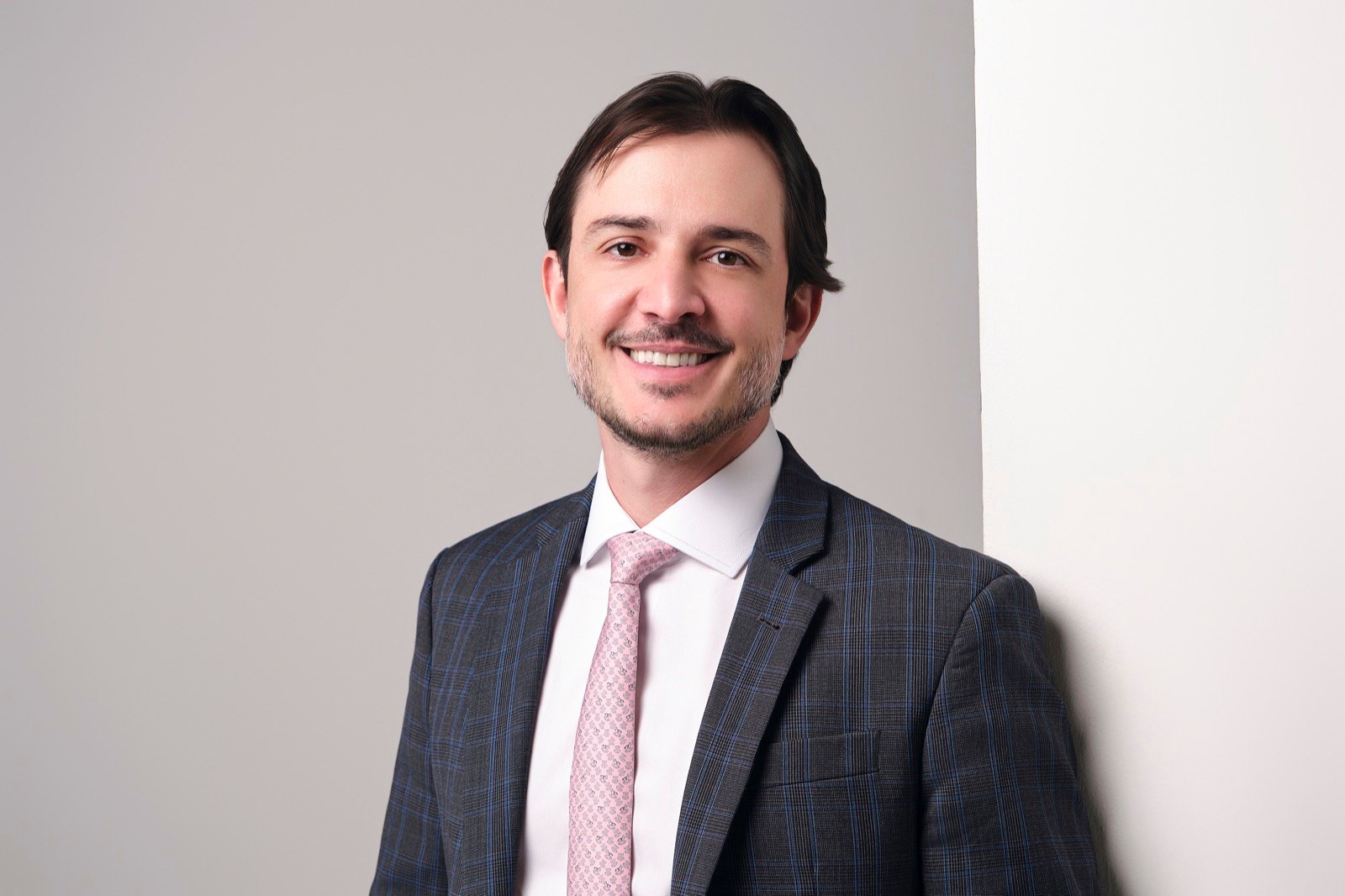
Otolaryngologist and facial plastic surgeon · CRM-PR 33.018 · RQE 17.984. PhD from FMRP-USP, founder of the Sella Learning Center. Updated on 2026-10-30.
Frequently asked questions
Who can register for the preservation rhinoplasty course?
Only physicians. The course is designed for otolaryngologists, plastic surgeons and oral and maxillofacial surgeons who already perform rhinoplasty. Proof of medical qualification is required at registration.
How many surgeries are performed during the week?
Each edition includes five live surgeries, narrated step by step, plus fresh cadaver or anatomical model dissection. The exact case mix depends on the surgical calendar of that week.
How many participants are accepted per edition?
Five to six surgeons. The limit exists so every participant stays close to the operating table and can ask questions during the case.
Is the course taught in English?
Teaching is delivered in Portuguese, English or Spanish depending on the class. Certificates and attendance letters in English or Spanish are issued on request.
Do I need a piezoelectric device in my own practice to attend?
No. The course covers indications, settings and limits of the ultrasonic instrument, and many participants attend before acquiring one in order to understand what it changes in their routine.
What is the difference between the course and the weekly mentorship?
The course is a structured group program of four to five days with theory, live surgery and dissection. The weekly mentorship is individual and consists of following roughly five surgeries and four office periods in the normal routine of the practice.
Do participants operate during the live surgeries or only observe?
The live surgical cases are performed by Dr. Sella with step by step narration, and participants follow the full sequence from markings to dressing. The hands-on part of the week happens in the cadaver or anatomical model dissection, where each surgeon practices septal strips, subdorsal cuts and piezoelectric osteotomies. This format keeps the operating room safe for the patient while still giving manual practice.
How is the course different from the one year fellowship?
The course is a 4 to 5 day immersion focused on dorsal preservation and ultrasonic technique, open to otolaryngologists, plastic surgeons and oral and maxillofacial surgeons. The fellowship is a 12 month program at the Sella Learning Center, limited to one otolaryngologist per year, with around 60 hours a week, weekly scientific meetings and a target of two published articles. Surgeons at an earlier stage of the rhinoplasty learning curve usually benefit more from the longer formats.
How do I register and when is the next edition?
Registration is restricted to physicians and is handled by the Sella Learning Center team, which confirms dates, available seats and the program of each edition. The contact for doctors is the WhatsApp number (44) 99167-2023. Six editions have already been held, the sixth in November 2025, and new dates follow the real surgical calendar of the practice.
Does the week cover patient selection and complications, or only surgical technique?
Patient selection is a core part of the program, including indications and limits of dorsal preservation, classification of dorsal deformities, photography and digital simulation. The schedule also addresses the typical early problems of the learning curve, such as recurrent hump and radix irregularity, plus postoperative management. The sixth edition added a module on practice management and marketing.
Talk to the Sella Learning Center team
Fellowship, mentorship, Preservation Week and the online platform.