

Your recovery stay in Brazil, day by day.
Most international patients plan around seven days in Maringá: one or two days before surgery, a short hospital stay, quiet hotel rest, and the flight home only after the external cast is removed.
Plan on a 7 to 10 day stay in Brazil for rhinoplasty. You arrive 1 to 2 days before surgery for the in-person consultation and preoperative review, spend 12 to 24 hours in the hospital, then rest at a hotel nearby. The external cast stays on for about 7 days, and flying home is usually cleared after the cast is removed, when taping replaces it for another week. In the practice of Dr. Guilherme Sella, in Maringá, follow-ups at 1, 3, 6 and 12 months can be done in person or online. The exact schedule is individual and defined at consultation.
How long do you need to stay in Brazil after rhinoplasty?
Seven days is the usual minimum. Ten days is more comfortable, especially if you are traveling from another continent or combining surgery with a few quiet days of travel afterward.
The number comes from one simple fact: the external cast made of thermoplastic material stays on the nose for around seven days. Once it comes off, the nose is taped for another week, swelling is already dropping, and long flights are generally cleared. Leaving before that means flying with the cast on and removing it far from the surgical team, which is not the preferred plan.
Patients who live abroad, including Brazilians living overseas, are seen regularly in Maringá. The logistics page for international patients covers documents, language support and travel details in more depth.
Before you fly: teleconsultation, tests and planning
Nothing about the trip should be improvised. The sequence is:
- Initial teleconsultation. Photos, history, discussion of goals, breathing complaints and realistic options. Digital simulation is shown and explained as an approximation, with roughly 60 to 70 percent resemblance to the final result.
- Preoperative tests in your own city. Blood work, cardiac clearance when indicated and any imaging requested. Results are reviewed before you buy tickets.
- Surgical plan and schedule. Technique, estimated operating time and whether grafts may be needed. The budget is only presented after a consultation, and it includes the team, hospital, anesthesia and follow-up visits.
- Travel booking. Maringá airport, code MGF, receives direct flights from São Paulo and Curitiba. Driving from inland São Paulo state, Mato Grosso do Sul and Paraguay is also common.
A companion is recommended for the first week. Not mandatory, but it makes the quiet days easier.
Day by day: arrival to cast removal
| Day | What happens | How you usually feel |
|---|---|---|
| Day -2 or -1 | Arrival in Maringá, rest, in-person consultation at the clinic with physical exam, standardized photos and high frequency nasal ultrasound when indicated | Normal, a little travel tired |
| Day 0 | Surgery under general anesthesia, 3 to 5 hours in most primary cases, hospital admission for 12 to 24 hours | Sleepy, congested, mild discomfort rather than pain |
| Day 1 | Hospital discharge, transfer to hotel, head elevated 30 degrees, ice, saline rinses | Blocked nose, light bleeding is expected in the first 48 to 72 hours |
| Day 2 to 3 | Rest, short walks inside the hotel, first postoperative check | Peak swelling and periorbital bruising |
| Day 4 to 6 | Bruising starts to fade, breathing begins to open | Bored more than uncomfortable |
| Day 7 | Cast removal at the clinic, taping applied for another week, flight usually cleared from here | Relieved, swollen, nose still changing |
| Day 8 to 10 | Optional extra days, short trips, taping maintained | Presentable in most cases, with visible swelling |
Fever up to 38 degrees Celsius in the first two days can happen. Numbness of the upper lip and front teeth may last up to three months. Most patients have no nasal packing, and a silicone internal splint is used only in selected cases, for about ten days.
Where the surgery happens
Procedures are performed at the Saine Health Complex, a boutique hospital in Maringá with 7,500 square meters, eleven operating rooms, adult and neonatal intensive care, intensivists on site 24 hours and hyperbaric medicine. Admission for one night is standard for rhinoplasty, which keeps the first hours monitored before you go back to the hotel.
Smaller facial procedures under local anesthesia can be done at the clinic itself. Larger combined surgeries are always hospital based.
Life in the hotel: what recovery actually feels like
Most patients describe pressure and congestion rather than pain. The routine is repetitive on purpose:
- Sleep with the head elevated at 30 degrees for at least ten days.
- Cold compresses around the eyes during the first two weeks.
- Saline rinses as instructed, and never blow your nose.
- No glasses resting on the nose for four weeks.
- Light walking from the first days, structured exercise only after fifteen days.
- No sun, beach or pool for one month, then sunscreen with SPF 30 for three months.
The team keeps contact by WhatsApp in Portuguese, English or Spanish throughout the stay. Hotels near the clinic on Avenida Cidade de Leiria are suggested in advance, most of them within a short drive.
Maringá weather and what to expect from the city
Maringá has a humid subtropical climate. Summers are warm and rainy, winters are mild with cooler nights. Air conditioning in the room helps, though very dry air is uncomfortable for a healing nose, so moderate settings and saline rinses work better.
The city is planned, green and calm, with wide avenues and short distances. Pharmacies, supermarkets and malls are close to the hotel area. During the cast week, the goal is low stimulation: reading, streaming, short walks indoors and early nights.
After the cast: Foz do Iguaçu and flying home
Once the cast is off and taping is applied, many patients add two or three days of travel before going home. Foz do Iguaçu, home of the Iguaçu Falls, is in the same state of Paraná and is reachable by a short domestic flight or by road.
If you go, keep the postoperative rules in mind. Walking the trails is fine at an easy pace. Sun exposure is not, so a wide hat and sunscreen matter. Mist from the falls is harmless, but avoid boat rides with impact, crowds that risk a bump to the nose, and any pool or lake swimming during the first month.
Flying is usually released after cast removal. Cabin pressure does not damage the nose. Hydration, saline spray and an aisle seat make the trip easier. Long haul connections are better scheduled with some margin rather than the same day as the clinic visit.
Follow-ups once you are home
Return visits are scheduled at 1, 3, 6 and 12 months, in person or by video with standardized photos. Definitive shape takes 6 to 12 months, and up to 18 months in thick skin or revision cases. Revision rates reported in the rhinoplasty literature range from 5 to 15 percent, and any reassessment is only considered after twelve months.
Documentation in English or Spanish can be issued on request, including for the functional part of the surgery such as septoplasty or turbinate reduction, which some insurance plans reimburse. If your main interest is in technique, the pages on preservation rhinoplasty and ultrasonic rhinoplasty explain the approaches used, and the surgeon profile lists training and publications.
When to contact Dr. Sella's team
If you are planning surgery abroad and want to understand whether your case fits a one week stay, the first step is a teleconsultation. Indication, risks and the full plan are individual and defined only after a complete evaluation. You can reach the team through the contact page to check availability and build the travel schedule around the surgical date.

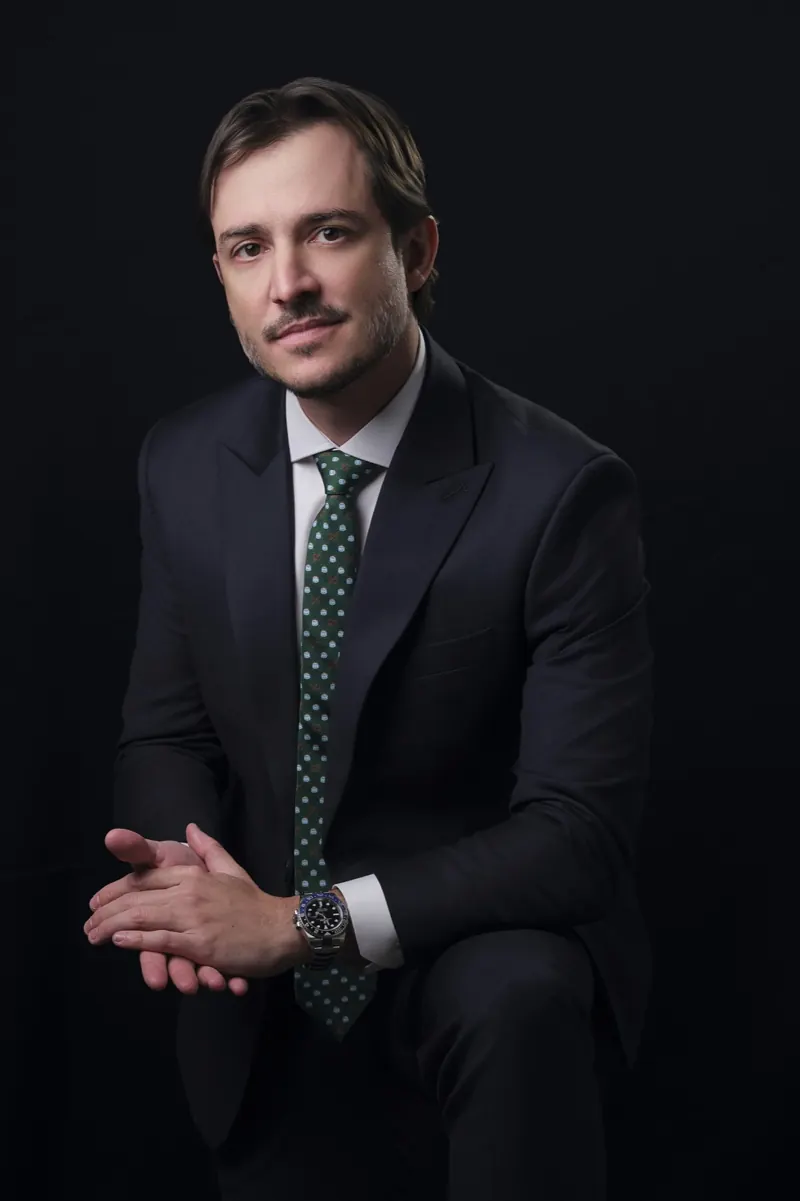
Otolaryngologist and facial plastic surgeon · CRM-PR 33.018 · RQE 17.984. PhD from FMRP-USP, founder of the Sella Learning Center. Updated on 2026-10-15.
Frequently asked questions
How many days do I need to stay in Brazil for rhinoplasty?
Plan on seven days as a minimum and ten for more comfort. That covers one or two days before surgery, the hospital night, hotel rest and the cast removal around day seven.
When can I fly home after rhinoplasty?
Flying is usually cleared after the external cast is removed, about seven days after surgery. Cabin pressure does not harm the nose, and hydration plus saline spray makes the flight easier.
Do I need a companion during the recovery stay?
A companion is recommended for the first week, especially for the hospital discharge and the first days at the hotel. It is not mandatory, since the team stays in contact daily by WhatsApp.
Can I visit Foz do Iguaçu after my surgery?
Many patients add a short trip after the cast is removed. Walking the trails at an easy pace is acceptable, but sun exposure, swimming and any risk of bumping the nose should be avoided in the first month.
Will I look presentable when I fly home?
Most patients fly home with taping on the nose and visible swelling, and bruising around the eyes can last up to fifteen days. Definitive shape takes six to twelve months, longer in thick skin or revision cases.
How do follow-up visits work once I am back home?
Returns are scheduled at one, three, six and twelve months and can be done in person in Maringá or by video with standardized photos. Documentation in English or Spanish is issued on request.
What should I do on the day the cast comes off?
The cast is removed at the clinic around day 7, the nose is cleaned and taping is applied for about another week. You will see a first version of the shape, still swollen, and the team will show you how to re-apply the tape and continue saline rinses. Most patients are cleared to fly after this visit, with details confirmed case by case.
Can I do the preoperative tests in my own city instead of in Maringá?
Yes. Blood work, cardiac clearance when indicated and any requested imaging are usually done where you live, and the results are reviewed before you book flights. This avoids spending the days before surgery in laboratories and reduces the risk of a last minute cancellation.
Where do international patients usually stay during the recovery week?
Most patients choose a hotel close to the clinic, in Zona 01 in Maringá, so that the cast removal visit is a short trip. The team can indicate hospitality options that suit your budget and whether you are traveling with a companion. A quiet room with the possibility of keeping the head elevated matters more than anything luxurious.
What can I actually do during those quiet days between surgery and cast removal?
Short walks, light meals, reading and gentle activity are fine from the first days, with the head elevated when resting and ice in the first two weeks. Exercise is generally released after 15 days, and sun, beach and pool only after one month, so sightseeing in that first week should be low key. Your specific restrictions are defined with the surgical team according to the technique used.
Book a consultation with Dr. Guilherme Sella
In person in Maringá, Brazil, or by video consultation. English-speaking team.