

Rhinoplasty fellowship in Brazil for international surgeons.
Four structured training tracks in Maringa, Parana, built around preservation and ultrasonic rhinoplasty, live surgery and cadaver dissection, with teaching in Portuguese, English and Spanish.
Brazil offers rhinoplasty training in several formats. At the Sella Learning Center in Maringa they are organized in four tracks: a 12-month fellowship with one fellow per year, open to ENT surgeons, with no tuition and around 60 hours per week; a weekly mentorship with roughly five surgeries and four office sessions; the Preservation Week course, 4 to 5 days with five live surgeries and fresh cadaver dissection for 5 to 6 participants; and the online platform Mastering Preservation. Dr. Guilherme Sella directs the program, and surgeons coming from abroad most often choose the weekly or course formats.
Why surgeons travel to Brazil for rhinoplasty training
Brazil has a long surgical tradition in facial and body aesthetics and is consistently among the countries with the highest volume of aesthetic procedures worldwide according to ISAPS surveys. For a visiting surgeon, the practical consequence is simple. Case volume is high, pathology is diverse, and the local schools have developed their own technical vocabulary, particularly in dorsal preservation.
Medicine in Brazil is regulated by the Federal Council of Medicine. Specialist titles carry an RQE number that can be checked on the regional council website. This matters when you are choosing where to spend weeks or months of your career. Credentials are verifiable, not promotional.
Who runs the training program in Maringa
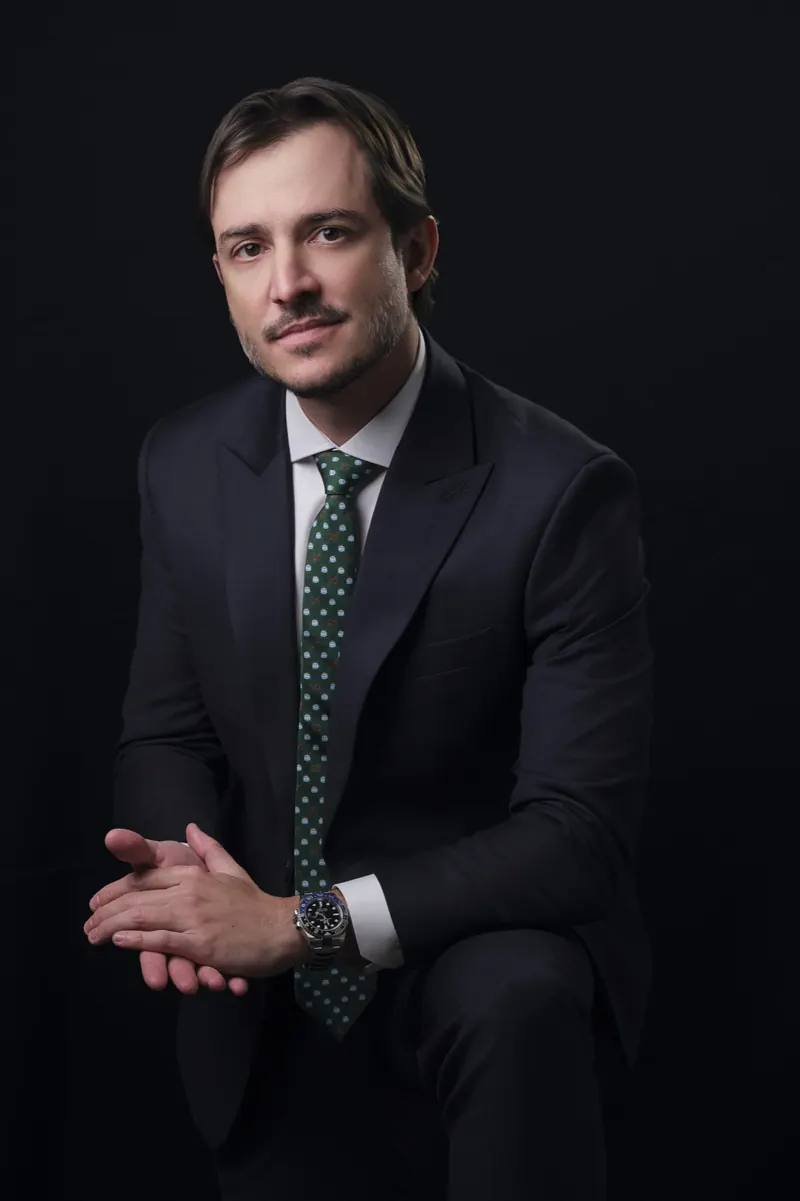
The Sella Learning Center is the teaching arm of the practice of Dr. Guilherme Sella, an otorhinolaryngologist with a direct doctorate in Morphophysiology of Facial Structures completed at HCFMRP-USP in 2018 and a fellowship in structured rhinoplasty in Melbourne and Sydney.
His indexed work on PubMed includes three papers on dorsal preservation in Facial Plastic Surgery Clinics of North America and Facial Plastic Surgery, among them "Expanding Indications to Dorsal Preservation Rhinoplasty" and "Brazilian Approach to Dorsum Preservation". He has also published on the role of ultrasound in rhinoplasty and on lateral crural tensioning.
He has lectured as invited faculty in more than ten countries, including Turkey, the United States, Spain, Ireland, Mexico, Venezuela, Peru, Argentina, Ecuador and Azerbaijan. He is a full member of ABORL-CCF and of the Brazilian Academy of Facial Plastic Surgery, where he serves on the current board, and a founding member of the Brazilian Society of Rhinoplasty.
The four training formats, compared
| Format | Duration | Who it is designed for | How you participate | Group size |
|---|---|---|---|---|
| Annual fellowship | 12 months | ENT surgeons, Brazilian certification pathway | Supervised participation in surgery, clinic and research | 1 fellow per year |
| Weekly mentorship | 1 week | ENT, plastic and maxillofacial surgeons, national and international | Observation in the operating room and consultation rooms | 1 to 2 surgeons |
| Preservation Week course | 4 to 5 days | Surgeons already performing rhinoplasty | Five live surgeries, fresh cadaver dissection, lectures | 5 to 6 participants |
| Mastering Preservation online | Self paced | Any stage, worldwide | Video modules in Portuguese, English and Spanish | Unlimited |
The 12-month fellowship: how it actually works
The fellowship has run since 2022, with one fellow per year. The fellows so far have been Leonardo Ramoniga in 2022, Fernanda Saito in 2023, Abner Donato in 2024, Louise Iunklaus in 2025 and Mateus Taiarol in 2026.
The program is demanding. It involves around 60 hours per week, with supervised participation in surgery, outpatient clinics, weekly scientific meetings and a target of two scientific articles over the year. There is no tuition cost for the fellow. Certification is linked to ABCPF and ABORL-CCF, and the selection process is built for ENT surgeons working within the Brazilian specialty framework.
Applications for the 2027 class close on January 31, 2027. Selection includes an interview and a psychological evaluation in January. Details and the application channel are listed on the fellowship page.
Weekly mentorship: the usual route for surgeons from abroad
Most international surgeons do not need twelve months in Brazil. They need a concentrated week next to a surgeon who operates the technique they want to learn.
The weekly mentorship was built for that. A typical week includes about five surgeries and four office periods, so you see the full cycle: preoperative analysis, high frequency dermatologic ultrasound of the nose when indicated, digital simulation, the operation itself and the postoperative follow-up of previous patients.
More than fifty physicians have been received in this format, and since 2021 the practice has hosted visiting surgeons from across Brazil and from Mexico, Spain, Colombia, Chile, Costa Rica, El Salvador, Peru, Guatemala, Venezuela, Argentina and the Dominican Republic. Visiting surgeons without a Brazilian medical registration take part as observers, which is the standard arrangement for foreign physicians.
Preservation Week: live surgery plus cadaver dissection
The Preservation Ultrasonic Rhinoplasty Course, known as Preservation Week, has reached six editions. The sixth took place in November 2025, with surgery every day, fresh cadaver dissection and a practice management and marketing module.
The format is intentionally small, 5 to 6 participants over 4 to 5 days, with five live surgeries. The technical core is dorsal preservation, push down and let down, combined with ultrasonic rhinoplasty using piezoelectric instruments, tip ligament preservation and structural grafting when the case requires it. Secondary cases and functional surgery are discussed, since the surgeon is an ENT who operates septum, turbinates and valves in the same procedure.
Dates and the registration channel for each edition are published on the courses page.
Teaching here follows the same logic as the clinical practice: ultrasound before the operation, a projectometer during the operation, and documented follow up afterwards.
Online learning and the 2026 congress in Maringa
Mastering Preservation is the online platform, with the first class available free in Portuguese, English and Spanish. It is a reasonable first step if you want to assess the technical approach before booking a trip.
For surgeons who prefer a congress format, the Maringa RhinoFace Summit 2026 takes place from November 12 to 14, 2026, with Dr. Sella as congress president and a confirmed faculty of 21 speakers from 8 countries. The program covers structural and preservation rhinoplasty, secondary rhinoplasty, deep plane and hybrid facial rejuvenation, periorbital surgery and live surgery sessions. Registration requires a medical license number.
Practical logistics for visiting surgeons
Maringa is in northern Parana. The local airport, MGF, has direct flights from Sao Paulo, both Guarulhos and Congonhas, and from Curitiba. Road access from the interior of Sao Paulo, Mato Grosso do Sul and Paraguay is straightforward.
Consultations take place at Clinica Renassance, on Avenida Cidade de Leiria in Zona 01. Rhinoplasties are performed at Saine Health Complex, a boutique hospital with 11 operating rooms and 24 hour intensive care. Teaching and discussion happen in Portuguese, English or Spanish.
A short checklist before you book:
- Define your goal: preservation technique, ultrasonic instrumentation, secondary cases or functional integration.
- Choose the format that matches the time you can actually commit.
- Confirm dates well in advance, since weekly and course slots are limited by design.
- Bring your own cases for discussion if you want targeted feedback.
How to get in touch
If you are a physician considering the fellowship, a mentorship week or the Preservation Week course, the Sella Learning Center keeps a dedicated channel for doctors, separate from the patient line. Dates, requirements and availability are confirmed individually. Start on the contact page or the fellowship page, and indicate your specialty, country of practice and the format you are considering.
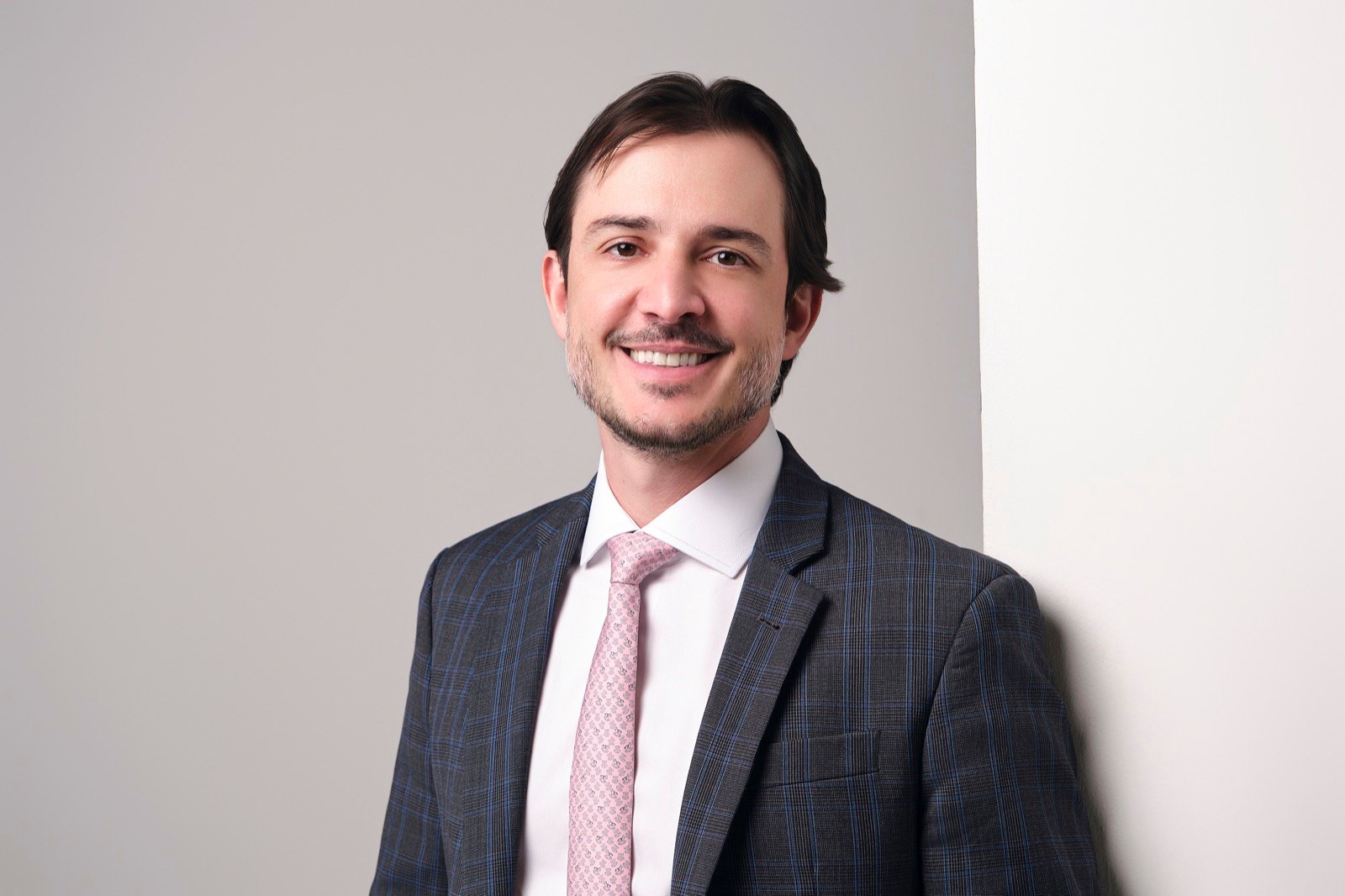
Otolaryngologist and facial plastic surgeon · CRM-PR 33.018 · RQE 17.984. PhD from FMRP-USP, founder of the Sella Learning Center. Updated on 2026-10-31.
Frequently asked questions
Is the 12-month rhinoplasty fellowship open to international surgeons?
The annual fellowship was designed for otorhinolaryngologists within the Brazilian certification framework, with ABCPF and ABORL-CCF linkage, and takes one fellow per year. Surgeons based abroad usually choose the weekly mentorship or the Preservation Week course. Eligibility is assessed case by case by the Sella Learning Center team.
Does the fellowship have a cost for the fellow?
No. The annual fellowship has no tuition cost for the fellow. In exchange, it requires around 60 hours per week, attendance at weekly scientific meetings and a target of two scientific articles during the year.
Can a visiting surgeon operate during the mentorship week?
Foreign physicians without Brazilian medical registration participate as observers, in the operating room and in the consultation rooms. Hands-on practice during the Preservation Week course takes place on fresh cadaver dissection.
What techniques are the focus of the training?
Dorsal preservation with push down and let down, ultrasonic rhinoplasty with piezoelectric instruments, tip ligament preservation, structural grafting, secondary rhinoplasty and functional nasal surgery. Preoperative ultrasound of the nose and digital simulation are part of the routine shown.
When do applications for the 2027 fellowship class close?
Applications for the 2027 class close on January 31, 2027. The selection process includes an interview and a psychological evaluation in January.
Is there an option to study before traveling to Brazil?
Yes. The Mastering Preservation online platform offers video modules in Portuguese, English and Spanish, with the first class available free, which many surgeons use to evaluate the technical approach before booking a week in Maringa.
What language are the surgeries and lectures conducted in?
The team works in Portuguese, English and Spanish, and Dr. Sella lectures regularly in all three. During mentorship weeks and courses, explanations in the operating room and in the consultation rooms can be given in English or Spanish. Course materials and the online platform Mastering Preservation also have content in these languages.
How do I apply for a weekly mentorship in Maringa?
Requests go through the Sella Learning Center WhatsApp for physicians, (44) 99167-2023, where the team checks available dates and confirms your medical registration. Each week receives one or two surgeons, so dates are usually scheduled in advance. The team can also issue a letter of invitation in English or Spanish when your institution requires one.
What is the difference between the weekly mentorship and the Preservation Week course?
The mentorship week is observational and follows the routine of the practice, with around five surgeries and four office sessions, for one or two surgeons. The Preservation Week is a structured course of four to five days for five or six participants, with five live surgeries, fresh cadaver dissection and lectures. Surgeons who already perform rhinoplasty often choose the course, while those who want to see the full decision-making routine prefer the week.
How do I get to Maringa from abroad?
Maringa has an airport, MGF, with direct flights from Sao Paulo, both Guarulhos and Congonhas, and from Curitiba, so most international surgeons connect through Sao Paulo. The city is also reachable by road from inland Sao Paulo state, Mato Grosso do Sul and Paraguay. The team can send practical guidance on hotels and transfers once your dates are confirmed.
Talk to the Sella Learning Center team
Fellowship, mentorship, Preservation Week and the online platform.