

How to apply for a rhinoplasty fellowship in Brazil.
Surgeons from Brazil and abroad train every year at the Sella Learning Center in Maringá. This guide explains each format, who qualifies, what is required and how to send your application.
Training in rhinoplasty in Brazil with Dr. Guilherme Sella happens through four formats. The annual fellowship takes one otorhinolaryngologist per year, lasts 12 months, requires around 60 hours per week and has no tuition cost for the fellow. The weekly mentorship receives visiting surgeons for about five surgeries and four office sessions. The Preservation Week course runs 4 to 5 days with live surgery and fresh cadaver dissection for 5 to 6 participants. The Mastering Preservation online platform is open to any physician. Applications and questions go to the Sella Learning Center WhatsApp, at +55 44 99167-2023.
Four ways to train in rhinoplasty in Maringá
The Sella Learning Center is the teaching arm of the practice of Dr. Guilherme Sella in Maringá, Paraná, Brazil. It exists because teaching forces a surgeon to systematize what he does. Four formats are available, each with a different depth, duration and eligibility.
| Format | Duration | Who can apply | Group size | Cost to participant |
|---|---|---|---|---|
| Annual fellowship | 12 months | Otorhinolaryngologists | 1 per year | No cost to the fellow |
| Weekly mentorship | 1 week | Physicians with surgical practice | 1 visiting surgeon | On request |
| Preservation Week course | 4 to 5 days | Physicians with valid registration | 5 to 6 participants | On request |
| Mastering Preservation online | Self-paced | Any physician | Unlimited | First class free |
All in-person formats happen in the same environment: the Renassance Clinic for consultations and the Saine Health Complex for surgery. You see the full pathway, from first consultation and nasal ultrasound to the postoperative visits.
The annual fellowship: who can apply and how
The fellowship started in 2022 and takes one fellow per year. Fellows so far: Leonardo Ramoniga in 2022, Fernanda Saito in 2023, Abner Donato in 2024, Louise Iunklaus in 2025 and Mateus Taiarol in 2026.
What the program involves:
- Twelve months of full immersion, around 60 hours per week.
- Supervised participation in surgery, including primary, secondary, preservation and ultrasonic cases.
- Outpatient clinic, preoperative planning, photographic documentation and digital simulation.
- Weekly scientific meetings with article review and case discussion.
- A target of two scientific articles produced during the year.
- Certification linked to ABCPF and ABORL-CCF.
- No tuition cost for the fellow.
Eligibility is restricted to otorhinolaryngologists. The reason is practical. The program covers functional nasal surgery alongside aesthetics, including septoplasty, turbinoplasty, nasal valve work and endoscopic sinus surgery, and an ENT background is the baseline for that content.
The selection for the 2027 class accepts applications until January 31, 2027. Candidates go through an interview and a psychological assessment in January. The assessment exists because the format is demanding and daily contact is close. Details and the application form are on the fellowship page.
Weekly mentorship for visiting surgeons
The weekly mentorship is the most flexible format and the one most used by international visitors. A single surgeon spends one week inside the routine: roughly five surgeries and four office periods. More than 50 physicians have gone through this format.
It suits plastic surgeons, maxillofacial surgeons and otorhinolaryngologists who already operate and want to see a specific technique executed from skin marking to splint. Since 2021, dozens of doctors per year have visited, from several Brazilian states and from countries across Latin America and Europe.
Observation has a ceiling. What changes practice is watching the same surgeon make the same decisions across several different noses in a short period.
Because only one visitor is received at a time, dates are limited. Requests go through the Sella Learning Center WhatsApp, and the calendar is usually discussed a few months ahead.
Preservation Week: the hands-on course format
Preservation Week, also presented as the Preservation Ultrasonic Rhinoplasty Course, has already had six editions. The sixth took place in November 2025. Each edition lasts 4 to 5 days with 5 to 6 participants and includes:
- Five live surgeries, with narration of the intraoperative decisions.
- Fresh cadaver dissection, covering dorsal preservation maneuvers and tip structuring.
- Theory sessions on preservation rhinoplasty and ultrasonic rhinoplasty.
- A practice management and marketing module.
The small group is deliberate. Five or six surgeons fit around an operating table and around a dissection station. The format and upcoming dates are listed under courses.
Online learning: Mastering Preservation
For surgeons who cannot travel yet, the Mastering Preservation platform delivers structured video classes on push down and let down techniques, piezoelectric instrumentation, ligament preservation and tip work. The first class is free and the content is available in Portuguese, English and Spanish.
Many surgeons use the platform first and then book a mentorship week, which makes the in-person time more productive because the vocabulary is already shared.
Language, documents and logistics
The team works in Portuguese, English and Spanish. Dr. Sella lectures regularly in Spanish and English, including sessions at EAFPS meetings in Dublin and Istanbul, congresses in Mexico, Peru, Argentina, Ecuador, Venezuela, Spain and Azerbaijan. The full list is on the lectures page.
Practical points for international applicants:
- Brazilian medical registration is not required to observe. A valid medical license from your country is.
- Letters of invitation and attendance certificates can be issued in English or Spanish for visa or institutional purposes.
- Maringá has an airport, MGF, with direct flights from São Paulo and Curitiba. Road access from inland São Paulo, Mato Grosso do Sul and Paraguay is straightforward.
- The team can suggest accommodation close to the clinic and the hospital.
Observers do not perform surgery on patients. Hands-on work happens in cadaver dissection during courses, and within supervised limits for the annual fellow, following Brazilian regulations.
Maringá RhinoFace Summit 2026
If you want a first contact before committing to a week or a year, the Maringá RhinoFace Summit 2026 runs from November 12 to 14, 2026, with Dr. Sella as congress president. The confirmed faculty includes 21 speakers from 8 countries, covering structural and preservation rhinoplasty, secondary rhinoplasty, deep plane facelift, periorbital surgery and live surgery sessions. Registration requires a medical license number and is done through the official event site.
Who teaches the program
Context matters when you choose where to spend a week or a year. Dr. Sella is an otorhinolaryngologist, CRM-PR 33.018, RQE 17.984, trained at HCFMRP-USP, with a direct doctorate in morphophysiology of facial structures completed in 2018 and a fellowship in structured rhinoplasty in Melbourne and Sydney. He has published on dorsal preservation in Facial Plastic Surgery Clinics of North America and on ultrasound in rhinoplasty, and has performed more than 1,500 rhinoplasties. His background is detailed on his profile.
When to contact the Sella Learning Center
Contact the team if you want a mentorship week, a seat in the next Preservation Week, information about the 2027 fellowship selection, or details about the Summit. Messages for physicians go to WhatsApp +55 44 99167-2023 or to drguilhermesella@gmail.com. Patient inquiries use a different channel, listed on the contact page. Each program has its own requirements and availability, confirmed case by case with the team.
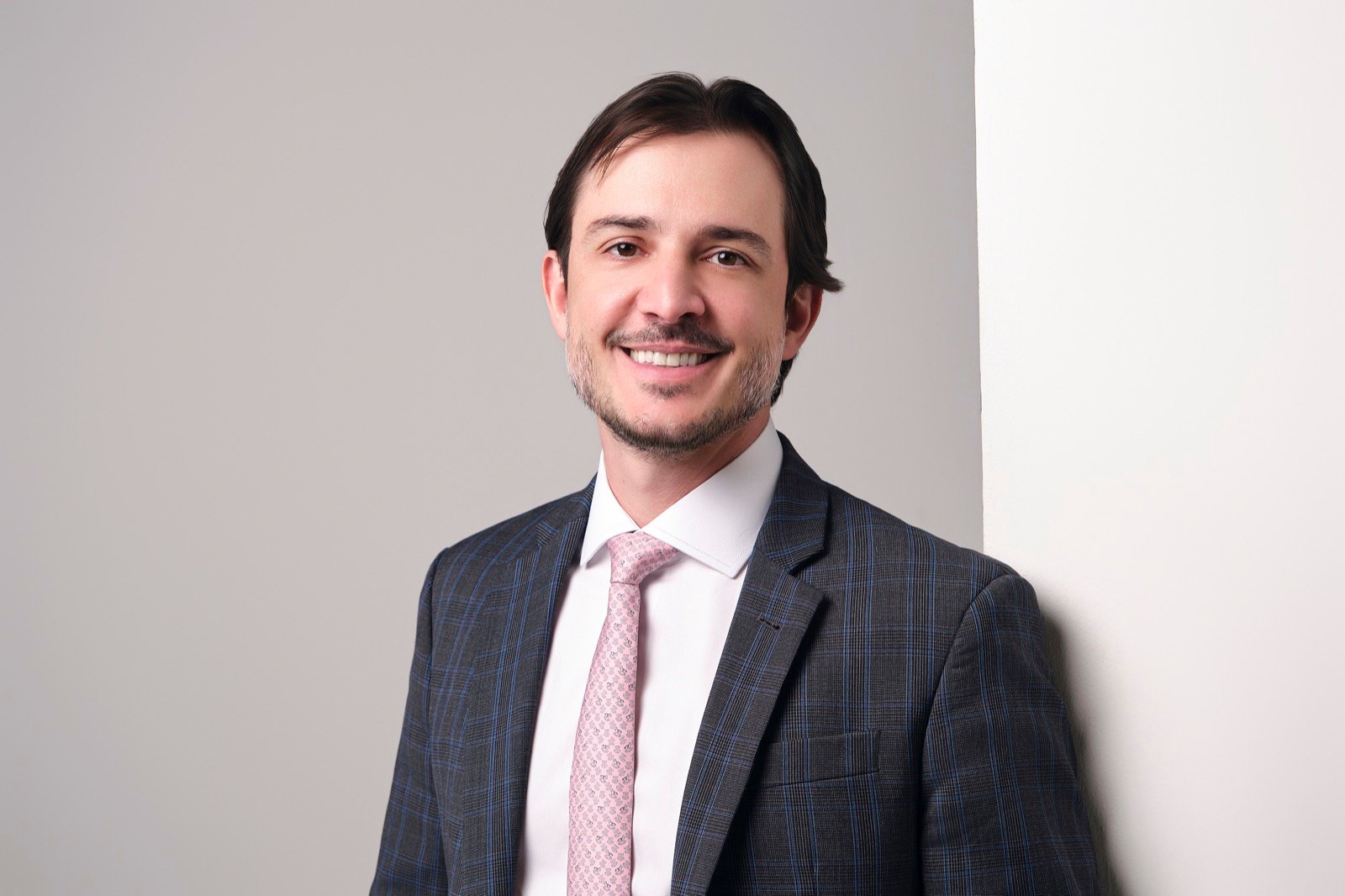
Otolaryngologist and facial plastic surgeon · CRM-PR 33.018 · RQE 17.984. PhD from FMRP-USP, founder of the Sella Learning Center. Updated on 2026-10-30.
Frequently asked questions
Who can apply for the annual rhinoplasty fellowship?
The annual fellowship is open to otorhinolaryngologists, because the program covers functional nasal surgery alongside aesthetic rhinoplasty. Plastic surgeons and maxillofacial surgeons can apply for the weekly mentorship, the Preservation Week course and the online platform.
What is the deadline for the 2027 fellowship class?
Applications for the 2027 class close on January 31, 2027. Selected candidates go through an interview and a psychological assessment during January.
Does the fellow pay tuition?
No. The annual fellowship has no cost for the fellow. The commitment is time, around 60 hours per week for twelve months, including weekly scientific meetings and a target of two articles.
Do I need Brazilian medical registration to observe surgeries?
Brazilian registration is not required to observe. A valid medical license from your own country is required, and the team can issue invitation letters and certificates in English or Spanish when needed.
In which languages is the training delivered?
The team works in Portuguese, English and Spanish, and the online platform offers content in all three languages. In-person teaching is adapted to the visiting surgeon's language.
How do I reach Maringá for a course or mentorship week?
Maringá has an airport with direct flights from São Paulo and Curitiba, plus road access from inland São Paulo, Mato Grosso do Sul and Paraguay. The team can suggest accommodation near the clinic and the hospital.
What is the difference between the weekly mentorship and the Preservation Week course?
The weekly mentorship receives one visiting surgeon at a time, who follows around five surgeries and four office sessions in the routine of the practice. Preservation Week is a structured course of four to five days for five to six participants, with live surgery, fresh cadaver dissection and scheduled theory sessions. Mentorship is closer to shadowing a normal surgical week, while the course follows a fixed curriculum. The Sella Learning Center WhatsApp at +55 44 99167-2023 can help you decide which format fits your stage.
Can a plastic surgeon who is not an ENT join any of the formats?
The annual fellowship is restricted to otorhinolaryngologists because it covers functional nasal surgery such as septoplasty, turbinoplasty, nasal valve work and endoscopic sinus surgery. The weekly mentorship, Preservation Week and the Mastering Preservation online platform are open to physicians with valid medical registration and surgical practice, including plastic surgeons. Eligibility is confirmed during the application review.
How far in advance should I book a mentorship week?
Only one visiting surgeon is received per week, so dates fill according to the surgical calendar. Booking a few months ahead gives more flexibility, especially if you need to align with international travel or visa arrangements. Available dates are confirmed directly with the Sella Learning Center team before you buy flights.
What does the Mastering Preservation online platform cover?
It is a self-paced online program on preservation rhinoplasty, with the first class available at no cost in Portuguese, English and Spanish. It works well as a starting point before an in-person week, since you arrive already familiar with the terminology and the surgical sequence used in the operating room. Any physician can access it, with no limit on the number of participants.
Talk to the Sella Learning Center team
Fellowship, mentorship, Preservation Week and the online platform.