

Rhinoplasty in Brazil for patients living in Canada.
From the first video consultation to the flight home, here is the realistic timeline for a Canadian-based patient having rhinoplasty in Maringá, Paraná, including tests, documents in English and remote follow-up.
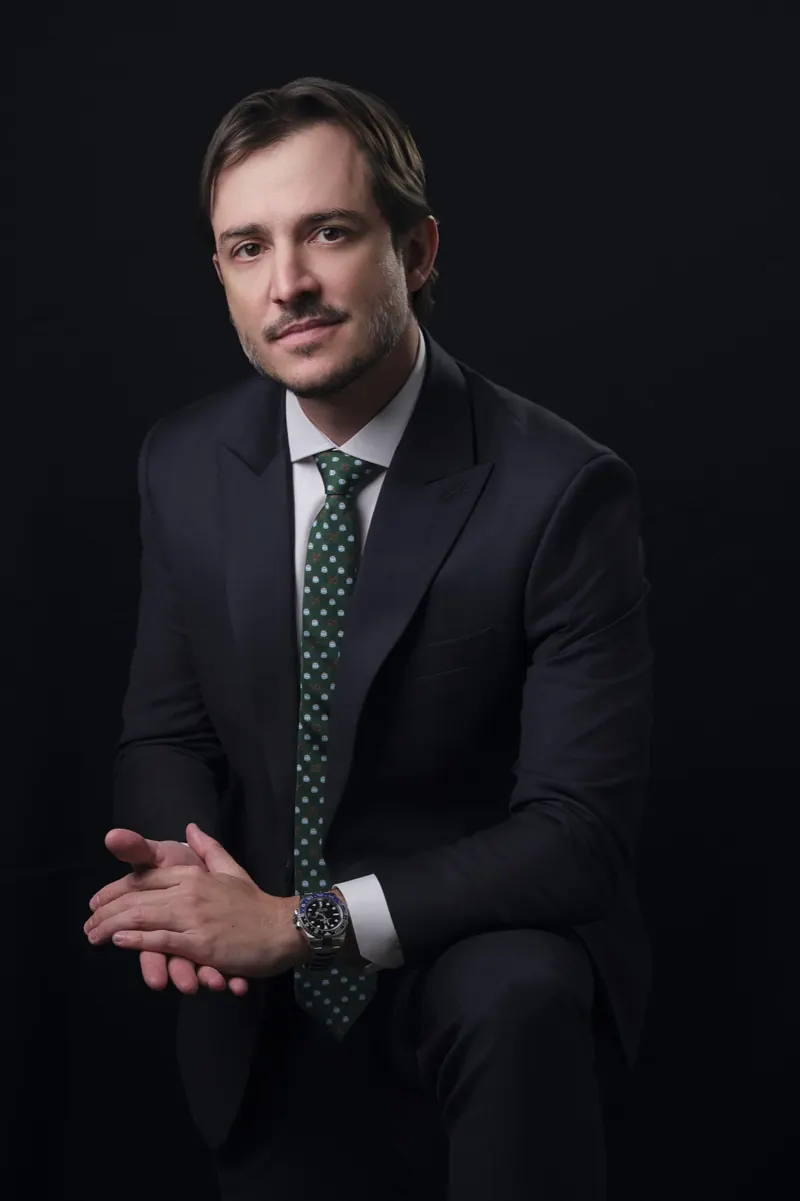
Patients living in Canada usually start with a video consultation, then have blood tests and imaging done at home. Travel is planned for 7 to 10 days in Maringá: arrival 1 to 2 days before surgery, 12 to 24 hours in the hospital, cast removal around day 7, and clearance to fly home after that. Follow-up at 1, 3, 6 and 12 months can be done online. Dr. Guilherme Sella is an ENT surgeon with a doctorate from HCFMRP-USP who operates both function and aesthetics, and the team works in English, Portuguese and Spanish.
Why patients in Canada look at Brazil for rhinoplasty
Brazil has a long surgical tradition in facial and plastic surgery, built around the school of Ivo Pitanguy, and appears among the countries with the highest volume of aesthetic procedures in international surveys such as those published by ISAPS. High case volume matters in rhinoplasty, because the operation is technique dependent and experience is built case by case.
There is also a practical reason. Surgical fees, hospital structure and the exchange rate mean that the total cost of an operation in Brazil is generally lower than in North America for someone earning in Canadian or US dollars. Prices are never quoted before a consultation, since the plan depends on technique, operating time and whether grafts are needed. The relevant point for a patient in Toronto, Montreal, Vancouver or Calgary is that travel and accommodation are part of the decision and should be planned from the start.
Cost alone is a poor reason to cross the equator. The reason that holds up is the match between your nose and the surgeon's technique.
How to verify a Brazilian surgeon before you book a flight
Medicine in Brazil is regulated by the Conselho Federal de Medicina. Every physician has a CRM registration number and specialists hold an RQE, a registered specialty qualification, both searchable on the state medical council website. This lets you confirm credentials from Canada before paying for anything.
For reference, Dr. Guilherme Constante Preis Sella holds CRM-PR 33.018 and RQE 17.984 in Otorhinolaryngology. He trained in ENT at HCFMRP-USP, completed a direct doctorate in morphophysiology of facial structures at the same institution in 2018, did a structural rhinoplasty fellowship in Melbourne and Sydney, and is certified by the European Board in Facial Plastic and Reconstructive Surgery. He has six indexed papers on PubMed, including work on dorsal preservation published in Facial Plastic Surgery Clinics of North America, and teaches surgeons in Brazil and abroad through the Sella Learning Center. You can read the full background on the surgeon's page.
A short checklist before any international booking:
- Confirm the CRM and RQE numbers on the state council website.
- Ask which specialty the surgeon holds and whether the nasal airway is assessed in the same operation.
- Ask where the surgery is performed and whether the hospital has an ICU.
- Ask who follows you after you fly home.
The first step is a video consultation
Maringá is 4 to 5 hours ahead of Toronto and Montreal depending on daylight saving time, so late afternoon in Brazil usually matches morning in Ontario and Quebec. The initial video consultation covers your history, what bothers you about your nose, previous surgeries or fillers, breathing symptoms, and photographs taken according to a standard protocol sent in advance.
Digital simulation is used to align expectations. It is a communication tool, not a promise, and the expected similarity to the final result is in the range of 60 to 70 percent. Indication, risks and the surgical plan are always individual and confirmed in person before surgery.
An in-person consultation lasts about one hour and includes internal examination of the nose and, when indicated, high frequency dermatologic ultrasound to assess skin thickness, previous fillers, grafts and columellar vascularization. For international patients, that in-person assessment happens in the days before surgery, in Maringá.
Tests and preparation done in Canada
Routine preoperative tests are done at home, in your own language and under your own family doctor if you prefer. The clinic sends the list after the video consultation. Typically this includes blood work, coagulation tests and a cardiology clearance depending on age and medical history. A CT scan of the sinuses may be requested when there are breathing complaints, septal deviation, prior trauma or previous nasal surgery.
Results are sent by email or WhatsApp and reviewed before travel. If something needs correction, such as low iron or uncontrolled blood pressure, that is handled in Canada, not after a ten hour flight.
Flights, distances and the week in Maringá
Toronto has direct flights to São Paulo of roughly ten hours. From Montreal, most itineraries connect through Toronto, New York or a European hub. From São Paulo, both Guarulhos and Congonhas connect to Maringá airport, code MGF, with a domestic flight of about one hour. Curitiba is another connection option. Driving access from inland São Paulo state, Mato Grosso do Sul and Paraguay is straightforward for patients already in South America.
The team can suggest hotels close to the clinic on Avenida Cidade de Leiria. A companion is recommended for the first week, especially for the first 48 hours after surgery.
| Day | What happens |
|---|---|
| Day 0 to 1 | Arrival in Maringá, rest, in-person consultation, exam, final planning |
| Day 2 | Surgery under general anesthesia, 3 to 5 hours, 12 to 24 hours in hospital |
| Day 3 | Discharge, ice, head elevated 30 degrees, saline rinses |
| Day 4 to 6 | Rest at the hotel, swelling and periorbital bruising peak and start to fade |
| Day 7 | External cast removed, taping applied, clearance to fly |
| Day 8 to 10 | Optional extra days, final review before departure |
Planning 7 to 10 days in the city gives room for a delayed flight or a slower recovery without pressure.
Surgery, hospital and the first weeks
Rhinoplasty is performed under general anesthesia, or sedation in selected cases, and takes 3 to 5 hours. Revision cases take longer. Surgery takes place at a boutique hospital in Maringá with 11 operating rooms, adult and neonatal ICU and intensivists on site 24 hours. Admission is 12 to 24 hours.
Techniques used include dorsal preservation, push down and let down, ultrasonic rhinoplasty with piezoelectric instruments, structural grafting with septal, ear or rib cartilage, and functional work on the septum, turbinates and nasal valves in the same procedure. Which of these applies to you is decided at the consultation, not online. The general overview is on the rhinoplasty page.
Expect light bleeding for 48 to 72 hours, bruising around the eyes for up to 15 days, no glasses for 4 weeks, exercise after 15 days, no sun, beach or pool for a month and SPF 30 for three months. Nasal packing is avoided in most cases. The definitive result takes 6 to 12 months, and up to 18 months in thick skin or revision cases.
Follow-up after you fly home
Follow-ups are scheduled at 1, 3, 6 and 12 months. For patients based in Canada these are done by video, with standardized photographs sent before each appointment. Direct contact with the team by WhatsApp covers the questions that come up in the first weeks, which are usually about swelling, taping and returning to the gym.
Medical documentation can be issued in English on request, including operative reports and descriptions of the functional portion such as septoplasty or turbinate surgery. Whether a private or employer insurance plan reimburses any part of this is an individual matter decided by the insurer, and the clinic only provides the paperwork. If a revision is ever discussed, it is considered no earlier than 12 months, which is also the window reported in the literature, where revision rates sit between 5 and 15 percent.
When to contact Dr. Sella
Get in touch if you are living in Canada, have been thinking about your nose for a while, and want a surgical opinion before organizing travel. The first step costs you a video call and the photographs the team asks for. From there you will know whether the case is suited to the techniques used, what the plan would involve and how many days you need to block off. Reach the team through the contact page, in English, Portuguese or Spanish.

Otolaryngologist and facial plastic surgeon · CRM-PR 33.018 · RQE 17.984. PhD from FMRP-USP, founder of the Sella Learning Center. Updated on 2026-10-15.
Frequently asked questions
How many days do I need to stay in Brazil for rhinoplasty?
Plan 7 to 10 days in Maringá. You arrive 1 to 2 days before surgery, stay 12 to 24 hours in hospital, and the external cast is removed around day 7, which is when flying is cleared.
Can I have the first consultation from Toronto or Montreal?
Yes. The initial consultation is done by video, with standardized photographs sent in advance. Maringá is 4 to 5 hours ahead of Eastern Time, so late afternoon in Brazil matches morning in Canada.
Where are my preoperative tests done?
In Canada, with your own doctor or lab. The clinic sends the list after the video consultation and reviews the results before you travel.
How can I check the surgeon's credentials from Canada?
Brazilian physicians hold a CRM registration number and specialists hold an RQE, both verifiable on the state medical council website. Dr. Sella holds CRM-PR 33.018 and RQE 17.984 in Otorhinolaryngology.
Will I get documents in English for my insurance?
The clinic issues medical documentation in English on request, including the operative report and the functional part of the surgery. Reimbursement depends entirely on your own insurer's rules.
How is follow-up handled once I return to Canada?
Follow-up appointments at 1, 3, 6 and 12 months can be done by video with photographs, and the team stays reachable by message during the first weeks of recovery.
How do I get from a Canadian airport to Maringá?
Most patients fly into São Paulo, at Guarulhos or Congonhas, and then take a short connecting flight to Maringá airport, code MGF, which also receives direct flights from Curitiba. Plan the connection with enough margin, since you should arrive one to two days before surgery for the in-person assessment and any final exams. The team can indicate hotels close to the clinic and to the hospital.
Is it safe to take a long flight after rhinoplasty?
Flying is usually released after the external cast is removed, around day seven, when swelling and the risk of bleeding have already decreased. Long flights are dry and immobile, so hydration, moving your legs and saline nasal irrigation are recommended during the trip. Your individual clearance depends on how your recovery is going and is confirmed by Dr. Sella at the cast removal visit in Maringá.
Should I bring someone with me from Canada?
A companion is recommended for the first week, mainly for the hospital discharge, the first nights and transport to the dressing change visits. You spend 12 to 24 hours admitted at the hospital in Maringá, and after that you rest at the hotel with elevated head position and ice. If travelling alone is the only option, tell the team in advance so that support can be organised.
Can breathing problems be treated in the same operation as the aesthetic part?
Yes. Dr. Sella is an ENT surgeon, so septoplasty, turbinate reduction and nasal valve correction can be performed in the same procedure as the rhinoplasty when the internal exam shows they are needed. This avoids a second trip for a functional operation later. Whether this applies to you is defined after the physical exam and, when indicated, nasal ultrasound during the consultation.
Book a consultation with Dr. Guilherme Sella
In person in Maringá, Brazil, or by video consultation. English-speaking team.