

Rhinoplasty in Brazil, planned from Spain.
Video consultation first, tests done in Spain, one flight to São Paulo and a short connection to Maringá. A practical guide to planning surgery abroad without improvising anything.
Patients living in Spain can plan rhinoplasty in Brazil almost entirely from home. The process starts with a video consultation with Dr. Guilherme Sella in Maringá, who reviews your photos, your breathing history and your goals, then explains the technique and the recovery timeline. Preoperative tests are done in Spain and sent by email. Madrid connects to São Paulo with direct flights of about 11 hours, followed by a short domestic flight to Maringá. Most patients stay 7 to 10 days, fly home after the cast is removed, and continue follow-up online at 1, 3, 6 and 12 months.
Why patients living in Spain look at Brazil for rhinoplasty
Brazil has one of the oldest and densest traditions in plastic and facial surgery in the world. The school built around Ivo Pitanguy shaped generations of surgeons, and international surveys by ISAPS consistently place Brazil among the countries with the highest volume of aesthetic procedures. High volume alone does not make a surgeon suitable for your nose, but it does explain why Brazilian centers have deep surgical training structures, well equipped hospitals and surgeons who operate noses every week rather than occasionally.
For someone earning in euros, the cost structure in Brazil is usually more favorable than in Spain, the rest of Europe or the United States. Surgeon fees, hospital costs and exchange rate all contribute. No figures are published online, because the plan depends on the technique, the operating time and whether grafts are needed. The estimate is given only after the consultation and already includes the surgical team, hospital, anesthesia and follow-up visits.
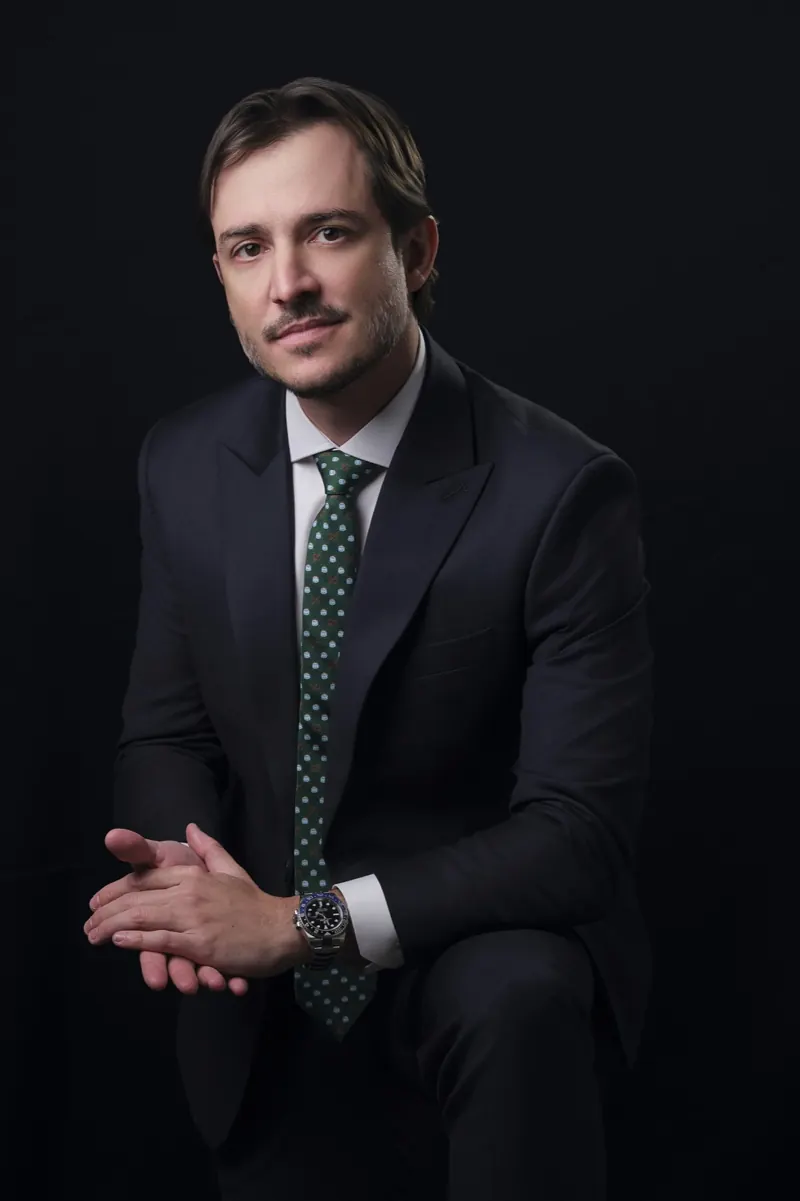
There is a second reason that matters more than price. Dr. Guilherme Sella is an ENT surgeon with a doctorate from HCFMRP-USP in facial morphophysiology, which means the nose is treated as an airway and as a facial feature at the same time. Many patients from abroad arrive with a combined problem: a dorsal hump or a deviated tip plus chronic nasal obstruction. Both are addressed in the same operation when indicated.
How to check a Brazilian surgeon's credentials from Spain
Medicine in Brazil is regulated by the Conselho Federal de Medicina. Every doctor has a CRM number tied to a state board, and every specialist title is registered as an RQE, searchable on the state board website. This is the Brazilian equivalent of verifying a colegiación in Spain, and you can do it from your laptop in Madrid before you book anything.
- CRM-PR 33.018, RQE 17.984 in Otorhinolaryngology, title awarded by ABORL-CCF in 2014
- Fellowship in structured rhinoplasty in Melbourne and Sydney, Australia
- Certification by the European Board in Facial Plastic and Reconstructive Surgery
- Full member of ABORL-CCF and of the Brazilian Academy of Facial Plastic Surgery, founding member of the Brazilian Rhinoplasty Society
- Six indexed articles on PubMed under Sella GCP, including work on dorsal preservation rhinoplasty in Facial Plastic Surgery Clinics of North America
- Invited faculty in more than ten countries, including Spain, Turkey, the United States and Mexico
Those are facts you can verify independently. They are the right basis for a decision made from another continent.
The video consultation across time zones
Spain is four to five hours ahead of Maringá depending on the season. In practice, a late afternoon or early evening slot in Madrid or Barcelona corresponds to midday in Brazil, so scheduling is simple and no one has to wake up at an odd hour.
The video consultation lasts about an hour. You send standardized photographs beforehand. The surgeon reviews your nasal history, previous surgeries, trauma, breathing pattern, allergies and medication, then discusses which technique fits the anatomy shown in your images: dorsal preservation with push down or let down, ultrasonic rhinoplasty with piezoelectric instruments, structural grafting, or a functional component such as septoplasty and turbinate reduction. Digital simulation is used as a communication tool. A realistic expectation is around 60 to 70 percent resemblance between simulation and final result.
The team speaks Portuguese, English and Spanish, and documents can be issued in English or Spanish when requested. Whether your case is suitable for surgery, and which technique applies, is decided individually in consultation, never by email alone.
What you do in Spain before flying
| Step | Where | Timing |
|---|---|---|
| Photos and medical history | At home | Before the video call |
| Video consultation | Online | 4 to 12 weeks before surgery |
| Blood tests, ECG, cardiology clearance | Your city in Spain | Up to 30 days before |
| CT scan of sinuses if indicated | Your city in Spain | Before travel |
| Stop smoking and adjust medication | At home | As instructed |
| Flights and accommodation booked | At home | After the date is confirmed |
Results are sent by email and reviewed before you buy tickets. Nasal ultrasound with a high frequency dermatologic probe, used to assess skin thickness, previous fillers or grafts, is performed in Maringá when indicated.
Flights and the route to Maringá
Madrid has direct flights to São Paulo of roughly 11 hours. Barcelona connects through Madrid, Lisbon or another European hub. From São Paulo, Maringá airport receives domestic flights from both Guarulhos and Congonhas, and the leg takes a little over an hour. Maringá is also reachable by road from the interior of São Paulo state and from the Paraguayan border region.
Plan to arrive one or two days before surgery. That buffer absorbs jet lag and flight delays, and leaves time for the in person examination, the internal nasal exam and the final photographs.
Your week in Brazil, day by day
| Day | What happens |
|---|---|
| 1 to 2 | Arrival, rest, in person consultation and final planning |
| 3 | Surgery under general anesthesia, 3 to 5 hours, 12 to 24 hours of hospital stay at Saine Health Complex |
| 4 | Discharge, first dressing check, ice and head elevated at 30 degrees |
| 5 to 9 | Rest, nasal saline irrigation, short walks, swelling and periorbital bruising peak and start to fade |
| 10 | Cast removal, taping applied, clearance to fly |
Most patients stay 7 to 10 days in total. Flying home is released after the external cast is removed. A companion is recommended for the first week. The team suggests accommodation close to Clínica Renassance in Zona 01, Maringá.
Follow-up once you are back in Spain
Follow-up is scheduled at 1, 3, 6 and 12 months, in person or by video. Bruising around the eyes can last up to 15 days. Numbness of the upper lip and front teeth can persist for up to three months. Glasses are avoided for four weeks, exercise resumes after about 15 days, sun exposure, beach and pool after one month, with SPF 30 for three months. Never blow your nose during the early weeks.
The definitive result appears between 6 and 12 months, and up to 18 months in thick skin or in revision cases. Published revision rates in rhinoplasty literature sit between 5 and 15 percent, and any revision is only considered after 12 months.
Paperwork, insurance and documentation
The practice works privately and does not contract with health plans. Reports, surgical descriptions and invoices are issued so you can submit a reimbursement request to a private insurer in Spain, including the functional portion such as septoplasty, turbinate surgery or endoscopic sinus surgery. Whether your insurer accepts a claim for care abroad depends entirely on your policy, so read it before you travel. Full logistics are detailed on the page for international patients.
When to contact Dr. Sella
If you live in Spain and are weighing rhinoplasty abroad, the sensible first step is a video consultation, not a flight. Bring your photos, your breathing complaints and your questions. Indication, technique, risks and timeline are individual and are defined only after a full evaluation. Start with the overview of rhinoplasty and then book a call with the team in Maringá.

Otolaryngologist and facial plastic surgeon · CRM-PR 33.018 · RQE 17.984. PhD from FMRP-USP, founder of the Sella Learning Center. Updated on 2026-10-15.
Frequently asked questions
How long do I need to stay in Brazil for rhinoplasty?
Most patients from Spain stay 7 to 10 days. You arrive one or two days before surgery and fly home after the external cast is removed, usually around day seven after the operation.
Can I have the first consultation online from Madrid or Barcelona?
Yes. The initial consultation is done by video and lasts about an hour, including review of standardized photos, discussion of technique and digital simulation. An in person examination is repeated in Maringá before surgery.
Do I need to repeat my preoperative tests in Brazil?
No. Blood tests, ECG and cardiology clearance are done in your own city in Spain and sent by email for review before you buy your tickets. Nasal ultrasound, when indicated, is performed in Maringá.
How do I verify that the surgeon is a registered specialist in Brazil?
Brazilian medicine is regulated by the Conselho Federal de Medicina. You can check the CRM number and the RQE specialist registration on the state medical board website from anywhere in the world.
Will my Spanish private insurance reimburse part of the surgery?
That depends on your policy. The clinic issues reports and invoices, including for the functional part such as septoplasty or turbinate surgery, so you can file a reimbursement request, but acceptance is decided by your insurer.
Is it safe to fly 11 hours after rhinoplasty?
Flying is released after the external cast is removed and the surgeon confirms that healing is on track. Hydration, movement during the flight and avoiding nose blowing are part of the instructions given before departure.
Does the team speak Spanish, or do I need to bring a translator?
Consultations and WhatsApp contact can be handled in Portuguese, English or Spanish, so a translator is usually not necessary. Written documentation, such as surgical reports and receipts, can be issued in English or Spanish on request. Mention your preferred language when you first contact the team so the video consultation is scheduled accordingly.
How do I get from Madrid to Maringá?
Madrid connects directly to São Paulo in about eleven hours, and from São Paulo there are domestic flights to Maringá airport, code MGF, which also receives flights from Curitiba. Most patients arrive one or two days before surgery to rest and complete the in person evaluation. The team can suggest hotels near the clinic and the hospital.
Can breathing problems and the aesthetic part be corrected in the same trip?
In many cases yes, since septoplasty, turbinate surgery and nasal valve correction can be performed in the same operation as the aesthetic part when indicated. Dr. Sella is an ENT surgeon, so the internal examination is part of the consultation. Whether both are done together depends on your anatomy and is decided after the evaluation.
What happens if I need a revision after I am back in Spain?
Revision rates reported in the literature range from five to fifteen percent, and any reassessment is only considered after twelve months, when swelling has settled. Follow up at one, three, six and twelve months can be done online with photos, so a problem would be identified without an extra trip. If a revision were indicated, the plan and the logistics would be discussed individually.
Book a consultation with Dr. Guilherme Sella
In person in Maringá, Brazil, or by video consultation. English-speaking team.