

Why patients fly to Maringá for rhinoplasty.
A mid-sized Brazilian city with a boutique surgical hospital, daily flights from São Paulo and Curitiba, and a surgical practice that also trains rhinoplasty surgeons from more than ten countries.
Maringá, in southern Brazil, attracts rhinoplasty patients for three practical reasons. First, surgery is performed at the Saine Health Complex, a boutique hospital with 11 operating rooms, adult and neonatal ICU and 24 hour intensivists. Second, the city hosts a rhinoplasty teaching center, where Dr. Guilherme Sella, an ENT surgeon with a doctorate from HCFMRP-USP and published work on dorsal preservation, runs fellowships and live surgery courses. Third, logistics are simple: direct flights from São Paulo and Curitiba, a compact city, and a typical stay of about seven days until the cast comes off.
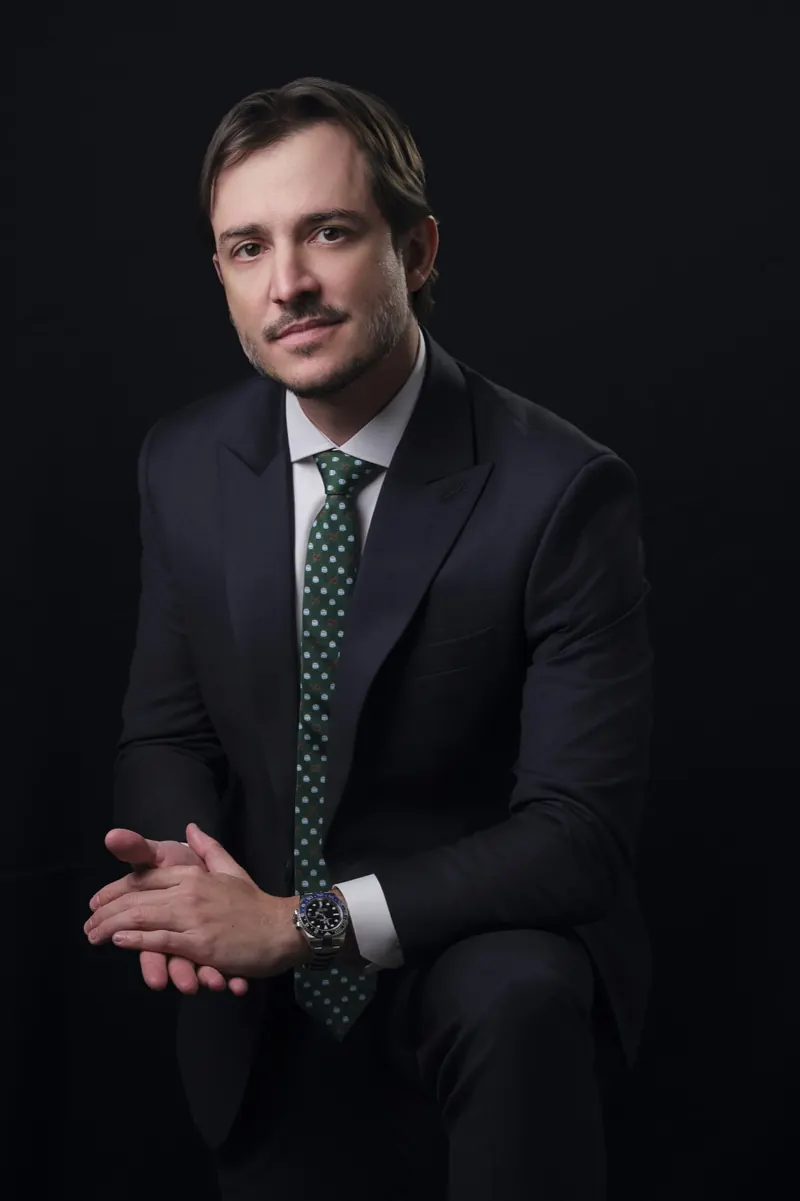
Where is Maringá, and how do patients get there?
Maringá is a planned city in the north of Paraná State, in southern Brazil, with roughly 450,000 inhabitants. It is known for wide avenues, green areas and a dense concentration of private medical services for a city of its size.
Travel is straightforward. Maringá Regional Airport (MGF) receives direct flights from São Paulo (both Guarulhos and Congonhas) and from Curitiba, which connects the city to virtually every international gateway in Brazil. Patients from the interior of São Paulo State, Mato Grosso do Sul and Paraguay often drive instead, since road access is good.
For international patients, the usual route is an international flight into Guarulhos followed by a domestic hop of about one hour. The airport is close to the city center, and transfers to the clinic or hotel take minutes rather than hours. Details on documents, timing and companions are covered on the international patients page.
The hospital: where the surgery actually happens
A rhinoplasty is still an operation under general anesthesia. The structure around it matters more than the city skyline.
Surgeries are performed at the Saine Health Complex, a boutique hospital on Rua Olímpio Totti, 60, Jardim das Nações. Some numbers that describe it:
- 7,500 square meters of built area
- 11 operating rooms
- adult and neonatal ICU
- intensivists on site 24 hours a day
- hyperbaric medicine unit
Rhinoplasty patients usually stay 12 to 24 hours in the hospital after surgery. Smaller procedures performed under local anesthesia, such as upper blepharoplasty, otoplasty, chin implant or facial fat grafting, can be done at the clinic itself. Deep plane facelift, deep neck, forehead lift and fractional CO2 laser are always performed in the hospital.
A city with a rhinoplasty teaching center
What distinguishes Maringá from other mid-sized Brazilian cities is that rhinoplasty is taught there, not only performed.
The Sella Learning Center runs a 12 month fellowship for ENT surgeons with certification through ABCPF and ABORL-CCF, a weekly mentorship format in which visiting surgeons follow around five operations and four clinic sessions, and the Preservation Ultrasonic Rhinoplasty Course, four to five days with five live surgeries, fresh cadaver dissection and only five or six participants. More than 50 physicians have already attended the weekly format. The structure is described on the courses page and the fellowship page.
Why should a patient care? Because a surgeon who operates in front of colleagues every month works under permanent peer review. Techniques have to be explained, defended and reproduced. That is a different environment from operating alone.
Teaching is one of the few forms of external scrutiny a surgeon can voluntarily accept.
Who performs the surgery
Dr. Guilherme Sella is an otolaryngologist, CRM-PR 33.018, RQE 17.984, trained in residency at the Hospital das Clínicas of Ribeirão Preto Medical School, University of São Paulo (HCFMRP-USP), with a direct doctorate in Morphophysiology of Facial Structures completed at the same institution in 2018. He completed a structural rhinoplasty fellowship in Melbourne and Sydney and has observed rhinoplasty surgeons in the United States, Portugal, Spain, Germany, Italy, Turkey and Russia.
He has six articles indexed on PubMed, three of them on preservation rhinoplasty, including chapters in Facial Plastic Surgery Clinics of North America in 2023 and 2025. He has lectured as invited faculty in more than ten countries, including two lectures at the All in One Rhinoplasty Congress in Istanbul in 2025, on dorsal preservation and secondary rhinoplasty. More than 1,500 rhinoplasties have been performed, a figure informed by the surgeon. Full background is on the profile page.
Being an ENT surgeon matters for one specific reason: breathing and shape are treated in the same operation. Septoplasty, turbinate reduction and nasal valve correction are part of the planning, not an afterthought.
How a surgical trip to Maringá is organized
| Stage | What happens | Timing |
|---|---|---|
| Teleconsultation | History, photographs, discussion of goals and technique | Weeks to months before |
| Preoperative tests | Done in the patient's home city | 30 days before |
| Arrival in Maringá | In person consultation, final planning, nasal ultrasound when indicated | 1 to 2 days before surgery |
| Surgery | General anesthesia, 3 to 5 hours, hospital stay of 12 to 24 hours | Day 0 |
| Cast removal | External aquaplast cast removed, taping continues one more week | Around day 7 |
| Flight home | Released after cast removal | Day 7 to 8 |
| Follow up | 1, 3, 6 and 12 months, in person or online | First year |
A companion is recommended for the first week. The team suggests accommodation close to the clinic, and there is contracted parking next door at Clínica Renassance, Av. Cidade de Leiria, 600, Zona 01.
What the consultation includes
The appointment lasts about one hour. It includes history taking, physical examination with internal inspection of the nose, standardized photographs, digital simulation, explanation of the planned technique and the postoperative timeline. High frequency dermatologic ultrasound is used when indicated, to assess skin thickness, previous fillers, old grafts, fractures and columellar vascularization, and to help decide on rib use in revision cases.
Digital simulation is a communication tool. Expected similarity to the final result is around 60 to 70 percent, and that is explained openly during the appointment.
Practice is private only, with no insurance contracts. The clinic provides full documentation so patients can request reimbursement from their plans, including the functional part of the surgery. The surgical estimate is given only after the consultation, since it depends on technique, operating time and grafts, and it includes team, hospital, anesthesia and follow up visits.
Technique, and why preservation comes up often
Maringá became associated with preservation rhinoplasty largely because of the academic output produced there. Dorsal preservation techniques, push down and let down, keep the natural dorsal aesthetic lines instead of removing and rebuilding them. Ultrasonic instruments allow bone work with more control. Structural grafting from septum, ear or rib remains part of the toolkit when the anatomy requires it. You can read more on preservation and ultrasonic rhinoplasty.
No technique is universal. Indication is individual and defined in consultation.
Honest expectations
Swelling resolves slowly. The definitive result appears between 6 and 12 months, and up to 18 months in thick skin or revision cases. Published revision rates in rhinoplasty range from 5 to 15 percent, and revisions are considered only after 12 months. Minor bleeding for 48 to 72 hours, periorbital bruising for up to 15 days and numbness of the lip and teeth for up to three months are expected events, not complications.
When to see Dr. Sella
A consultation makes sense if you are considering rhinoplasty for shape, for breathing, or both, and want the plan discussed before any decision. Patients living far from Paraná usually start with a teleconsultation and travel only once the plan is defined. Contact the team or read more about rhinoplasty first. Risks, indication and technique are always individual.
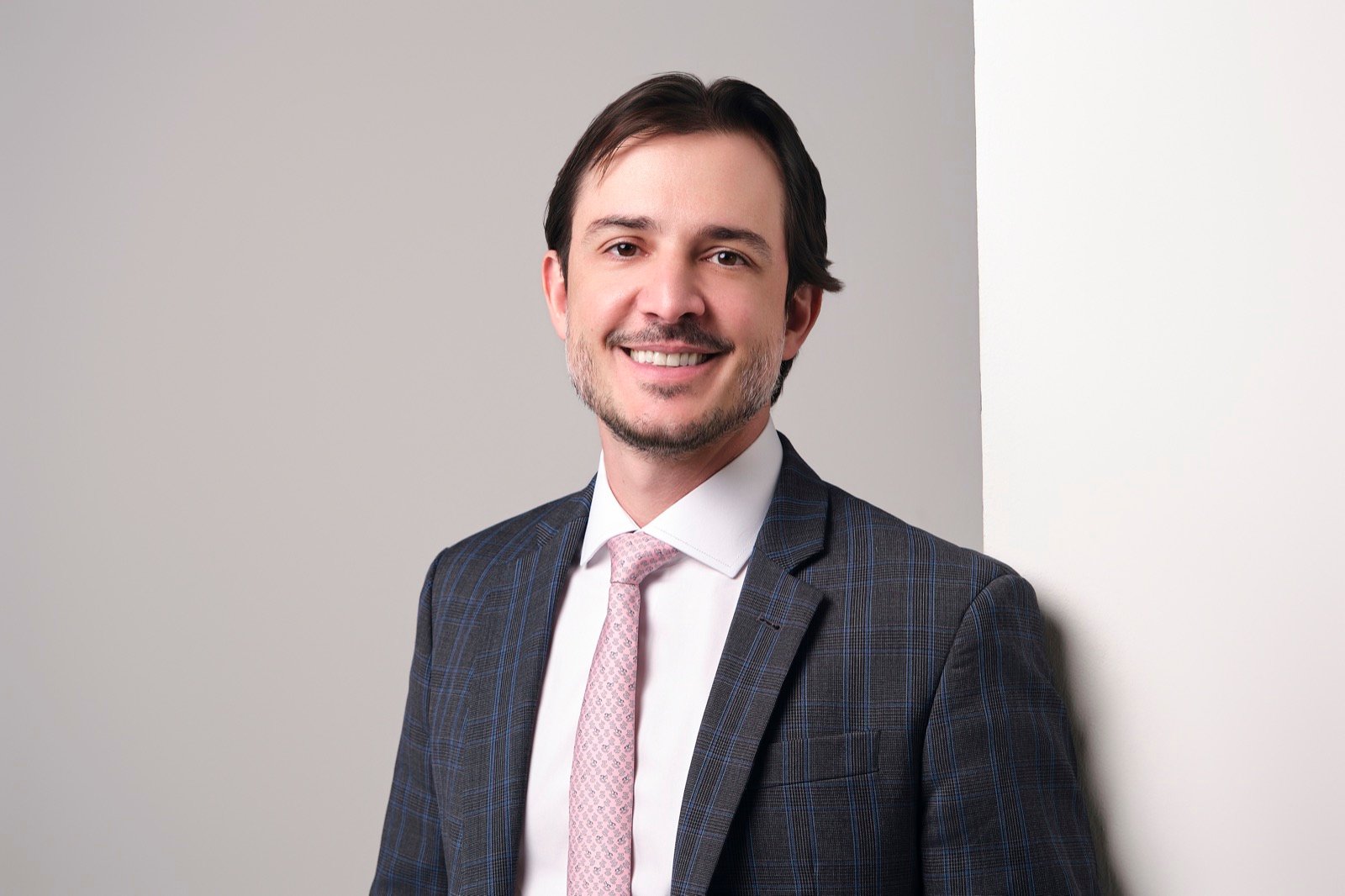
Otolaryngologist and facial plastic surgeon · CRM-PR 33.018 · RQE 17.984. PhD from FMRP-USP, founder of the Sella Learning Center. Updated on 2026-10-07.
Frequently asked questions
How long do I need to stay in Maringá for rhinoplasty?
Most patients arrive one or two days before surgery and stay about seven days in total, until the external cast is removed. Flying home is usually released after cast removal.
How do I get to Maringá from abroad?
Most international patients fly into São Paulo and take a domestic flight of about one hour to Maringá Regional Airport (MGF). There are also direct flights from Curitiba.
Where is the surgery performed?
Rhinoplasty is performed at the Saine Health Complex, a boutique hospital in Maringá with 11 operating rooms, adult and neonatal ICU and intensivists on site 24 hours a day. The usual stay is 12 to 24 hours.
Does Dr. Sella speak English?
Yes. Consultations can be held in Portuguese, English or Spanish, in person in Maringá or by teleconsultation.
Can the surgery address breathing problems at the same time?
Yes. As an otolaryngologist, the surgeon routinely combines functional work such as septoplasty, turbinate reduction and nasal valve correction with aesthetic rhinoplasty, when indicated after examination.
How are follow up visits handled for patients from other cities?
Follow up is scheduled at 1, 3, 6 and 12 months and can be done in person or online, depending on distance and on what the postoperative course requires.
Book a consultation with Dr. Guilherme Sella
In person in Maringá, Brazil, or by video consultation. English-speaking team.