

Ultrasonic rhinoplasty, honestly explained.
Piezo is a tool, not a technique. Understanding where ultrasonic instruments make a measurable difference, and where they change very little, is the honest way to decide if it matters for your nose.
For many noses, yes. Ultrasonic rhinoplasty uses a piezoelectric device that cuts bone while sparing mucosa, cartilage and vessels, which allows millimetric hump reduction, controlled osteotomies and direct visualization of the bony vault. It tends to help most in wide or asymmetric bony pyramids, thin skin, crooked noses and revision cases. It does not change your skin thickness, tip cartilage, healing time or the possibility of revision. Dr. Guilherme Sella uses piezo as one instrument inside a broader plan that also includes preservation, structural grafting and functional correction, defined individually in consultation.

What ultrasonic rhinoplasty actually is
Ultrasonic rhinoplasty, often called piezo rhinoplasty, uses a handpiece whose tip vibrates at high frequency. That vibration cuts and sculpts mineralized tissue such as bone. When used correctly, it is selective: soft tissue, mucosa, cartilage and small vessels are largely spared if they touch the active tip. This selectivity is the entire point of the technology.
Classic bone work uses osteotomes, rasps and saws. Those instruments work well in experienced hands and have built most of the good results in the history of rhinoplasty. The difference is that they cut by force and often work partially blind, under the skin, while the piezo cuts by vibration under direct vision.
It is important to be clear about the vocabulary. Ultrasonic is an instrument, not a surgical philosophy. A piezo device can be used inside a preservation rhinoplasty, a structural rhinoplasty, a revision or a purely functional procedure.
What the piezo changes in the operating room
The real advantages are concrete and happen during surgery, where the patient cannot see them.
- Direct vision of the bone. Working with piezo requires lifting the soft tissue off the bony dorsum. The surgeon sees exactly what is being removed instead of estimating it by feel.
- Millimetric hump reduction. Bone can be lowered in thin layers, which helps avoid taking too much and creating an excessively scooped profile.
- Designed osteotomies. The cut follows a line that was drawn first. That matters in crooked noses, where the bony pyramid has to be repositioned in a specific direction.
- Sculpting rather than only cutting. Lateral walls can be thinned, asymmetries smoothed, bone spicules removed.
- Preservation maneuvers. Precise bone cuts are what allow the natural dorsum to be lowered as a unit in preservation rhinoplasty.
What piezo does not change
This is the part most marketing leaves out.
- Your skin. Skin thickness is the strongest factor in how much definition appears at the end. Thick skin hides fine bone work. Thin skin shows everything, which is exactly why precision helps there.
- The tip of the nose. The lower third is cartilage and soft tissue. It is shaped with scissors, sutures and grafts. The piezo has almost no role there.
- The need for grafts. Septal, ear or rib cartilage is used when support or shape requires it, with or without ultrasonic instruments.
- The timeline. A nasal cast stays on for about seven days, taping follows for roughly another week, and the definitive result takes six to twelve months, up to eighteen in thick skin and revisions.
- Revision rates. Published series across techniques report revision in the range of 5 to 15 percent. No instrument removes that possibility.
- Diagnosis and planning. The device does not decide where the dorsum should sit, how much projection the tip needs, or whether the airway is obstructed.
Ultrasonic versus conventional instruments
| Aspect | Conventional osteotomes and rasps | Ultrasonic piezo |
|---|---|---|
| Tissue selectivity | Cuts whatever is in the path, including mucosa and vessels | Cuts mineralized tissue, spares soft tissue on contact |
| Visibility | Often performed through small tunnels, partly by feel | Performed under direct vision of the bone |
| Soft tissue dissection | Can be more limited | Wider dissection of the bony dorsum is required |
| Fine bone sculpting | Harder to refine irregularities and thin bone walls | Allows layer by layer refinement |
| Surgical time | Usually faster for the bone step | Usually adds time to the bone step |
| Equipment and training | Widely available, low cost | Specific device, dedicated learning curve |
| Effect on tip shape | None | None |
The honest reading of this table is that piezo buys control and costs time and dissection. Whether that trade is favorable depends on the nose in front of the surgeon.
Bruising and recovery: an honest look
Patients usually hear that ultrasonic rhinoplasty means no bruising. That is an overstatement. Bruising depends on how much dissection was done, the type of osteotomy, blood pressure during and after surgery, medications, and individual tendency to bleed.
What can be said fairly is that sparing vessels and mucosa during bone cuts may reduce bleeding in that specific step, and several surgeons observe less periorbital bruising. Even so, periorbital bruising can last up to fifteen days, mild bleeding for 48 to 72 hours is normal, and swelling follows the same long curve as any rhinoplasty. In ultrasonic rhinoplasty, the wider dissection needed to expose the bone can itself cause some edema in the early weeks.
Precision in the operating room is measurable. Comfort in the first week varies from person to person.
Who tends to benefit most
Ultrasonic instruments usually make the clearest difference in:
- Large or asymmetric bony humps, where removal has to be even on both sides.
- Wide bony vaults, where the lateral walls need thinning and controlled infracture.
- Crooked noses, where the bony pyramid must be cut in a planned direction.
- Thin skin, where a one millimeter irregularity becomes visible years later.
- Revision rhinoplasty, with open roof deformities, step-offs, residual humps and bone spicules from a previous operation.
- Dorsal preservation, where the bone cuts define whether the natural dorsal line can be kept.
It makes less practical difference in noses whose main issue is the tip, in small refinements with no bony component, and in patients with very thick skin where fine bone detail will not translate to the surface.
How piezo fits with preservation rhinoplasty
The two topics are frequently confused. Preservation means keeping the natural dorsal line and lowering it as a block, through push down or let down maneuvers. Ultrasonic instruments are one of the ways to perform the precise bone cuts those maneuvers require.
This intersection is a line of work the surgeon has published on. Dr. Sella is a co-author of articles on dorsal preservation in Facial Plastic Surgery Clinics of North America and Facial Plastic Surgery, completed a doctorate at HCFMRP-USP in morphophysiology of facial structures, and teaches a Preservation Ultrasonic Rhinoplasty Course to other surgeons at the Sella Learning Center in Maringá. You can read more about his background on his profile and about the teaching program in courses.
So, is it worth it?
As a patient, the useful question is not whether the device is modern. It is whether the surgeon who will operate on you is comfortable with several tools and chooses among them for a reason.
A reasonable way to decide is to ask three things in consultation: what the bone work in your case involves, why one instrument is preferred over another for your anatomy, and what part of your result depends on bone at all. If the answer is detailed and specific to your nose, the technology question tends to resolve itself.
When to see Dr. Sella
A consultation lasts about one hour and includes history, internal examination of the nose, standardized photographs, digital simulation with roughly 60 to 70 percent similarity to the expected result, and an explanation of the technique considered for your case. High frequency skin ultrasound is used when it adds information about skin thickness, previous fillers or grafts.
Patients from other cities and countries usually start with a teleconsultation, perform tests locally, and stay in Maringá for about seven days after surgery. Practical details are described in international patients, and scheduling runs through the team via contact. Indication, risks and the surgical plan are individual and defined in consultation.
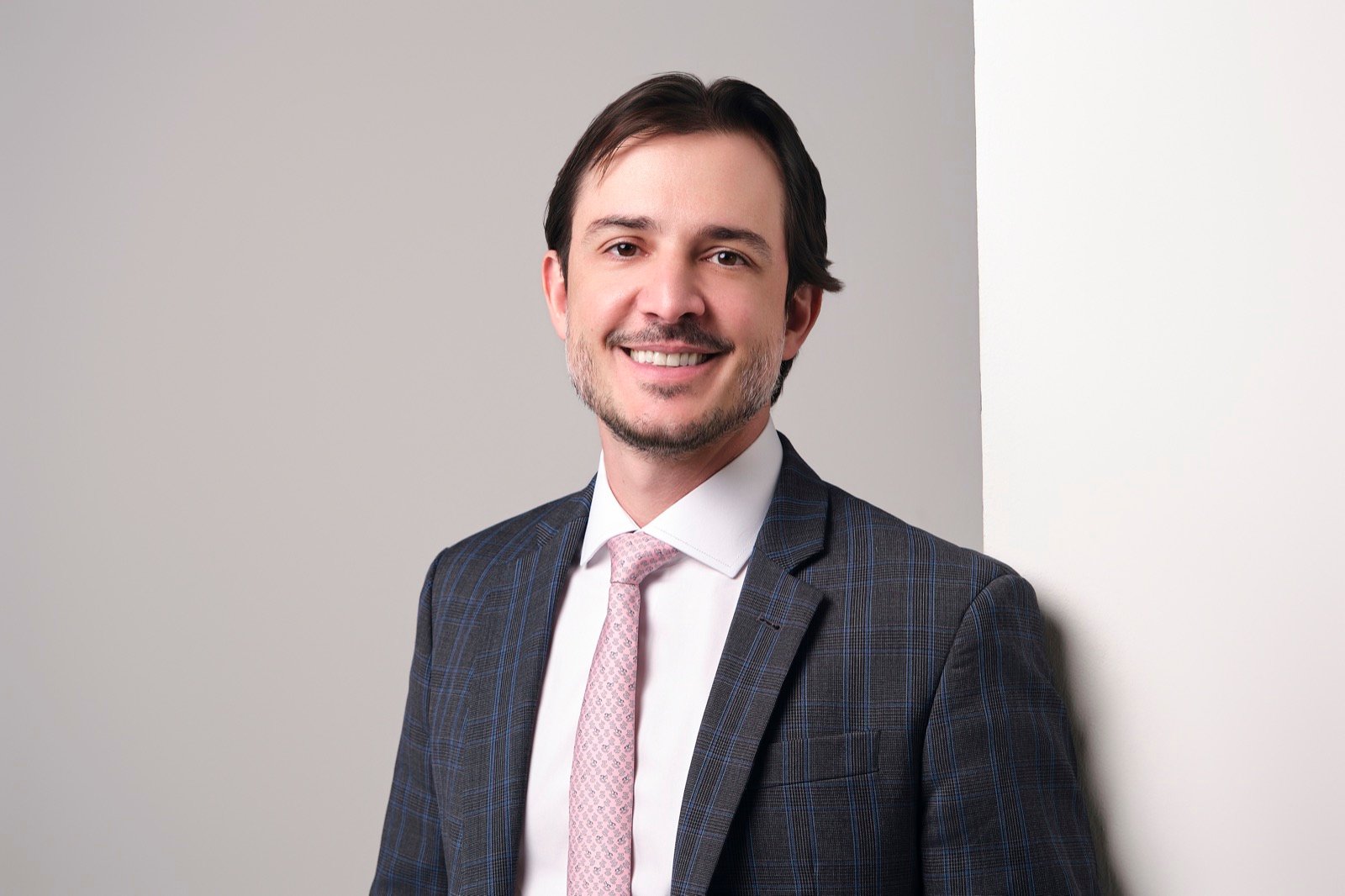
Otolaryngologist and facial plastic surgeon · CRM-PR 33.018 · RQE 17.984. PhD from FMRP-USP, founder of the Sella Learning Center. Updated on 2026-10-07.
Frequently asked questions
Does ultrasonic rhinoplasty hurt less than conventional rhinoplasty?
Pain after rhinoplasty is usually mild to moderate with either technique and is controlled with prescribed medication. Most discomfort comes from swelling and nasal congestion rather than from the bone cuts themselves.
Is piezo rhinoplasty always done through an open approach?
Not always, but ultrasonic bone work requires exposure of the bony dorsum, so it is more often performed through an open approach or an extended endonasal dissection. The approach is chosen case by case.
Does ultrasonic rhinoplasty reduce the chance of needing a revision?
Published series across techniques report revision rates of about 5 to 15 percent. Precise bone sculpting may reduce certain irregularities, yet healing, skin thickness and cartilage behavior still influence the final outcome.
Will ultrasonic rhinoplasty make my nasal tip more defined?
The tip is made of cartilage and soft tissue, so it is shaped with sutures, trimming and grafts. The piezo device acts essentially on bone, in the upper and middle thirds of the nose.
Can ultrasonic instruments be used in revision surgery?
Yes. Revision cases often involve residual humps, step-offs, open roof deformities and bone spicules, situations where controlled sculpting under direct vision can be useful.
Does ultrasonic rhinoplasty take longer?
The bone step usually takes more time than with classic instruments. A primary rhinoplasty generally lasts three to five hours in total, and revisions tend to last longer.
Book a consultation with Dr. Guilherme Sella
In person in Maringá, Brazil, or by video consultation. English-speaking team.