

Why surgeons come to Brazil to train in rhinoplasty.
Case volume, a strong dorsal preservation tradition and the habit of teaching with live surgery and fresh cadaver dissection put Brazil on the map for rhinoplasty observerships, mentorships and fellowships.
Surgeons train in Brazil mainly for three reasons: high surgical volume, a well established dorsal preservation school with publications in international journals, and a teaching culture built around live surgery and fresh cadaver dissection. In Maringa, Dr. Guilherme Sella runs a structured ecosystem through the Sella Learning Center: a 12 month fellowship for ENT surgeons, weekly one on one mentorship, the Preservation Ultrasonic Rhinoplasty Course, and an online platform. Visiting physicians observe consultations, preoperative ultrasound, planning and operating room decision making in sequence, which is where most of the learning actually happens.
Why Brazil became a rhinoplasty training destination
Brazil has a long surgical tradition in facial and body aesthetics, historically associated with the school of Ivo Pitanguy, and appears among the countries with the highest volume of aesthetic procedures in international surveys published by ISAPS. Volume alone does not create good teaching. What turns volume into training value is the combination of three elements: enough cases to see variation, surgeons willing to operate in front of an audience, and an academic habit of writing and presenting.
Medicine in Brazil is regulated by the Federal Council of Medicine. Specialist certification is public and verifiable through the regional medical council registry, which is useful for visiting surgeons who want to confirm the credentials of a host before booking flights.
In practice, a visiting surgeon who spends a week in a busy Brazilian rhinoplasty practice will usually see more primary cases, more thick skin, and more mixed ethnic anatomy in five days than in several weeks in a lower volume setting.
Volume: why case numbers matter for the learner
Rhinoplasty is a pattern recognition discipline. The decision of whether to preserve the dorsum, where to place the osteotomy, how much to tension the lateral crura, when a rib is unavoidable, all improve with repetition and with exposure to variation.
For a visiting physician, high volume translates into something concrete:
- Several different noses operated in the same week, so comparisons are immediate.
- Consecutive follow up visits at one, three, six and twelve months in the same clinic days, which shows how the early result evolves.
- Revision cases scheduled alongside primaries, which teaches the consequences of technique choices.
Dr. Sella reports more than 1,500 rhinoplasties performed. More relevant than the total is the format of the exposure: visitors watch the consultation, the photographic documentation, the digital simulation, the high frequency skin ultrasound when indicated, and then the operation that follows from that plan.
The Brazilian preservation school
Dorsal preservation moved from a niche interest to a mainstream topic over the past decade, and Brazilian authors contributed to that shift. Dr. Sella coauthored peer reviewed work on the subject, including Brazilian Approach to Dorsum Preservation and Expanding Indications to Dorsal Preservation Rhinoplasty in Facial Plastic Surgery Clinics of North America, and Indications for Preservation Rhinoplasty: Avoiding Complications in Facial Plastic Surgery.
What visiting surgeons usually want to resolve is not the existence of push down and let down, but the boundaries: which dorsum can be preserved, how to handle a deviated bony vault, what to do when the radix is low, and how to convert safely when preservation fails intraoperatively. Those questions are answered better in the operating room than in a slide deck. The same applies to ultrasonic rhinoplasty, where the piezoelectric instrument changes the sequence of the bony work and the rhythm of the case.
See the clinical overview of preservation rhinoplasty for how these indications are framed with patients.
Live surgery culture and cadaver dissection
Brazilian rhinoplasty meetings normalized live surgery and fresh cadaver dissection as teaching tools. The discomfort of operating with cameras and commentary is accepted as part of the educational contract. For the learner, this is the difference between seeing an edited result and seeing an unedited decision.
In Maringa, the Preservation Ultrasonic Rhinoplasty Course, known as Preservation Week, has had six editions, the sixth in November 2025. The format is deliberately small: four to five days, five live surgeries, fresh cadaver dissection, and five to six participants. Small groups allow questions during the case rather than after it.
Technique is transferable. Judgment is transferable only when the learner sees the hesitation, the alternative considered and the reason it was discarded.
Training formats available in Maringa
The Sella Learning Center organizes teaching into distinct formats so that surgeons can choose according to time available and career stage.
| Format | Duration | Who it is for | Main content |
|---|---|---|---|
| Annual fellowship | 12 months | ENT surgeons | Supervised participation in surgery, weekly scientific meetings, target of two articles, certification linked to ABCPF and ABORL-CCF |
| Weekly mentorship | 1 week | Physicians with CRM or equivalent registration | Around five surgeries and four office periods, one on one observation of consultation and planning |
| Preservation Week course | 4 to 5 days | Rhinoplasty surgeons | Five live surgeries, fresh cadaver dissection, practice management module |
| Online platform | Self paced | Any surgeon | Mastering Preservation, first lesson free in Portuguese, English and Spanish |
| International congress | 3 days | Physicians | Maringa RhinoFace Summit 2026, November 12 to 14, faculty from 8 countries |
The fellowship runs since 2022 with one fellow per year, roughly 60 hours per week, and no cost to the fellow. Applications for the 2027 class are open until January 31, 2027, with interview and psychological assessment in January. Details are on the fellowship page and the other formats on the courses page.
What a visiting week actually looks like
Visitors are received at Clinica Renassance, in Maringa, and at the hospital where the surgeries are performed. A typical week mixes operating room days with office days, because the office is where indication, expectation and documentation are built.
Recurring topics during visits include:
- Preoperative high frequency skin ultrasound to assess skin thickness, previous fillers, grafts, fractures and columellar vascularization.
- Standardized photography and digital simulation, presented to patients as an approximation rather than a promise.
- Intraoperative use of the projectometer and the sequence of maneuvers in preservation cases.
- Structural work with septal, auricular and costal cartilage, including when rib is chosen.
- Revision rhinoplasty strategy, including when to wait and when to operate.
More than fifty physicians have been received in the weekly mentorship format, from several Brazilian states and from Latin America and Europe. Communication happens in Portuguese, English or Spanish.
Logistics for surgeons traveling to Maringa
Maringa is in the state of Parana, in southern Brazil. The local airport, MGF, has direct flights from Sao Paulo and Curitiba, and the city is reachable by road from the interior of Sao Paulo, Mato Grosso do Sul and Paraguay. Most visitors connect through Sao Paulo on arrival.
For a one week visit, plan to arrive the day before the first operating day. Bring your medical registration document, since proof of medical qualification is required for operating room access and for congress registration. Letters of invitation in English or Spanish can be issued when needed for visa or institutional purposes.
Surgeons who prefer a congress format before committing to a longer stay can start with the Maringa RhinoFace Summit 2026, an international meeting with 21 confirmed speakers from eight countries, live surgery sessions and anatomy, held from November 12 to 14, 2026. A list of past teaching activity abroad is available on the lectures page.
How to choose the right format for you
A practical way to decide:
- If you already perform rhinoplasty and want to add preservation and ultrasonic technique, a course or a one week mentorship tends to be enough to change your next twenty cases.
- If you are an ENT surgeon early in your career and can dedicate a year, the fellowship gives longitudinal exposure, including follow up of the same patients over time.
- If you are evaluating whether the approach fits your practice, start with the online platform and then schedule a visit.
Indication, scope and schedule are always discussed individually before confirmation.
When to contact Dr. Sella
If you are a physician considering training in Brazil, the next step is a conversation about dates, format and what you want to take home. Applications and visit requests go through the Sella Learning Center team on WhatsApp at +55 44 99167-2023, and congress registration through the official event website. Background, publications and academic history are described on the about page, and general inquiries can be sent through the contact page.
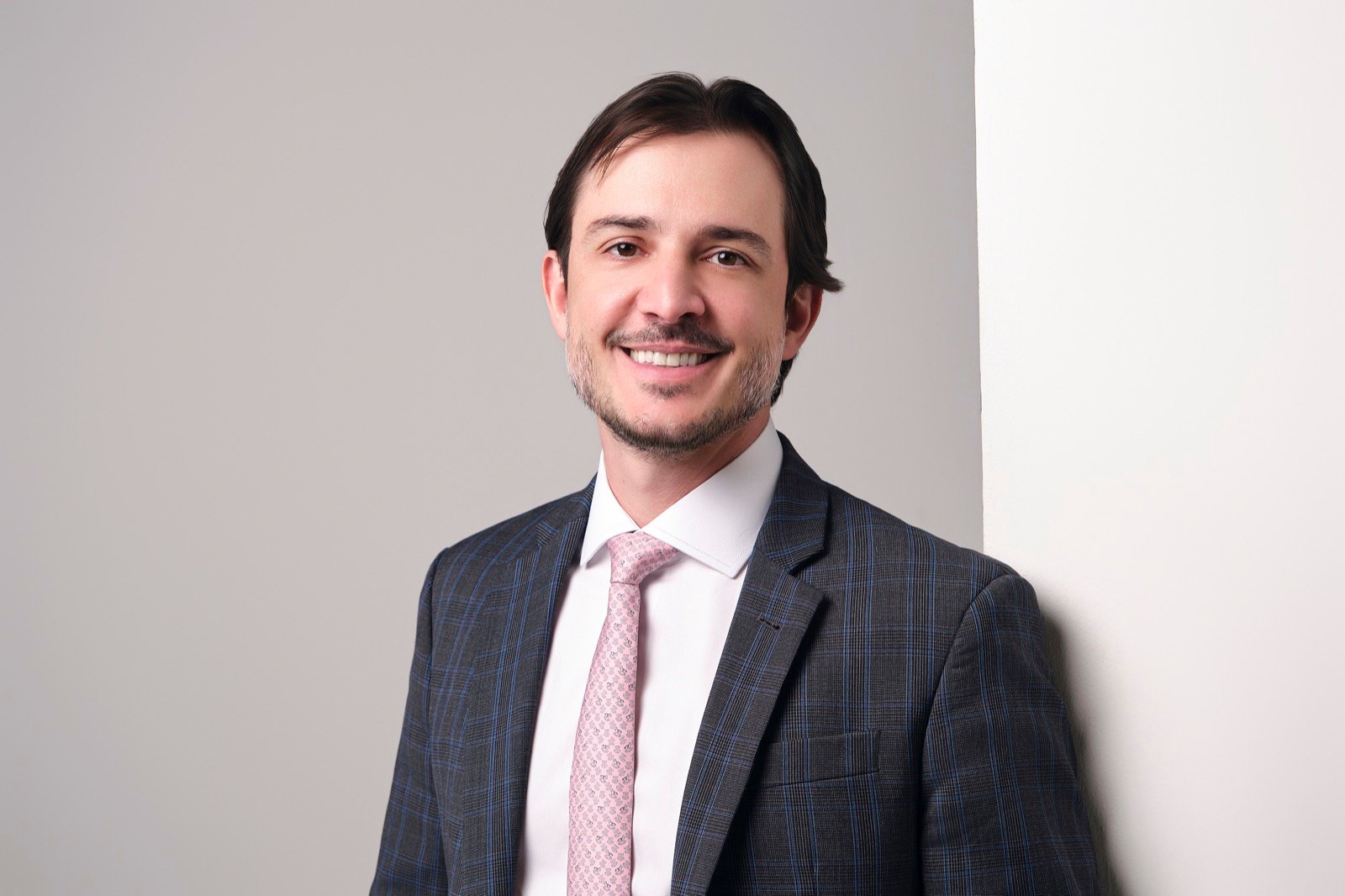
Otolaryngologist and facial plastic surgeon · CRM-PR 33.018 · RQE 17.984. PhD from FMRP-USP, founder of the Sella Learning Center. Updated on 2026-10-30.
Frequently asked questions
Do I need to speak Portuguese to train in Brazil?
No. Teaching and discussion at the Sella Learning Center happen in Portuguese, English or Spanish. Course materials and the online platform are available in all three languages.
Who can apply for the annual fellowship?
The fellowship is designed for ENT surgeons and runs for 12 months with one fellow per year. Applications for the 2027 class are open until January 31, 2027, with interview and psychological assessment in January.
Can visiting surgeons operate during the mentorship?
The weekly mentorship is observational, with close one on one discussion in the operating room and in the office. Supervised surgical participation is part of the 12 month fellowship, not of short visits.
What documents are required to attend?
Proof of medical registration is required, such as a CRM number for Brazilian physicians or the equivalent license for international surgeons. Invitation letters in English or Spanish can be issued when requested.
How many participants are accepted in the Preservation Week course?
The course is limited to five or six participants, with four to five days of activity, five live surgeries and fresh cadaver dissection.
How do I get to Maringa?
Maringa has its own airport, MGF, with direct flights from Sao Paulo and Curitiba. Most international visitors connect through Sao Paulo and arrive one day before the first scheduled activity.
What is the difference between the weekly mentorship and the Preservation Week course?
The weekly mentorship is a one on one format in which a single visiting physician follows the routine of the practice, with around five surgeries and four clinic periods in the week. The Preservation Ultrasonic Rhinoplasty Course runs over four to five days with a small group of five to six participants, five live surgeries and fresh cadaver dissection. The mentorship favours continuity and discussion of decision making, while the course adds structured hands on anatomy. The team can help you choose the format based on your current practice.
How far in advance should I book a visit to Maringa?
Dates depend on the surgical schedule and only one visiting physician is received per week in the mentorship format, so planning a few months ahead is usually necessary. Course editions have fixed dates announced in advance and limited places. Contact the Sella Learning Center through the WhatsApp line for physicians at (44) 99167-2023 to check availability before buying flights.
Is it worth travelling to Brazil if I already perform dorsal preservation?
Experienced surgeons usually come to compare indications and limits rather than to learn the basic manoeuvres, for example when a push down is preferred over a let down, how thick skin changes the plan, and how preservation is combined with structural grafting. Seeing consecutive follow up visits at one, three, six and twelve months in the same clinic days is also part of the value. The content of each visit is adjusted to your experience level.
Can I verify a Brazilian surgeon's credentials before travelling?
Yes. Medicine in Brazil is regulated by the Federal Council of Medicine, and specialist registration is public through the regional medical council database. Dr. Sella holds CRM-PR 33.018 and RQE 17.984, with specialist certification by ABORL-CCF in 2014 and by ABCPF in 2020.
Talk to the Sella Learning Center team
Fellowship, mentorship, Preservation Week and the online platform.