

One week of rhinoplasty observership in Brazil.
A structured week inside a high-volume rhinoplasty practice in Maringá, Brazil. Operating room, outpatient clinic, pre-operative ultrasound and planning, with one visiting surgeon at a time and discussion in English, Spanish or Portuguese.
A rhinoplasty observership in Brazil with Dr. Guilherme Sella is a one-week visiting-surgeon program at the Sella Learning Center in Maringá. The visiting physician follows roughly five rhinoplasties in the operating room and four outpatient clinic sessions, including photographic analysis, digital simulation and high-frequency skin ultrasound planning. Only one surgeon is hosted per week, so the format is closer to one-to-one mentorship than to a congress. Cases usually include dorsal preservation, ultrasonic (piezo) rhinoplasty, structural grafting and revision. More than 50 physicians have already attended. Discussion happens in Portuguese, English or Spanish.
What a rhinoplasty observership in Brazil actually means
An observership is a period spent inside a working practice, watching how decisions are made and how they translate into the operating room. You are not registered to operate in Brazil, so you do not scrub as the primary surgeon. What you gain is access to the full chain of reasoning: the consultation, the photographic and ultrasound analysis, the surgical plan, the execution, the dressing protocol and the follow-up visits of patients operated months earlier.
Brazil is a relevant destination for this kind of training. The country has a long surgical tradition in facial plastic surgery and appears among the nations with the highest volume of aesthetic procedures in international surveys such as those published by ISAPS. For a rhinoplasty surgeon, that means exposure to a wide range of skin thicknesses, cartilage qualities and ethnic nasal anatomy within a short period.
The weekly mentorship format at the Sella Learning Center
The weekly mentorship hosts one visiting physician at a time. That single detail changes the experience. You stand where you can see, you ask questions during the case, and you discuss the plan before the patient enters the room.
A typical week includes around five rhinoplasties and four outpatient periods at Clínica Renassance, in Maringá. More than 50 physicians from Brazil and abroad have already taken part. Surgeries are performed at a private hospital in the city, with the visiting surgeon inside the operating room for the entire case.
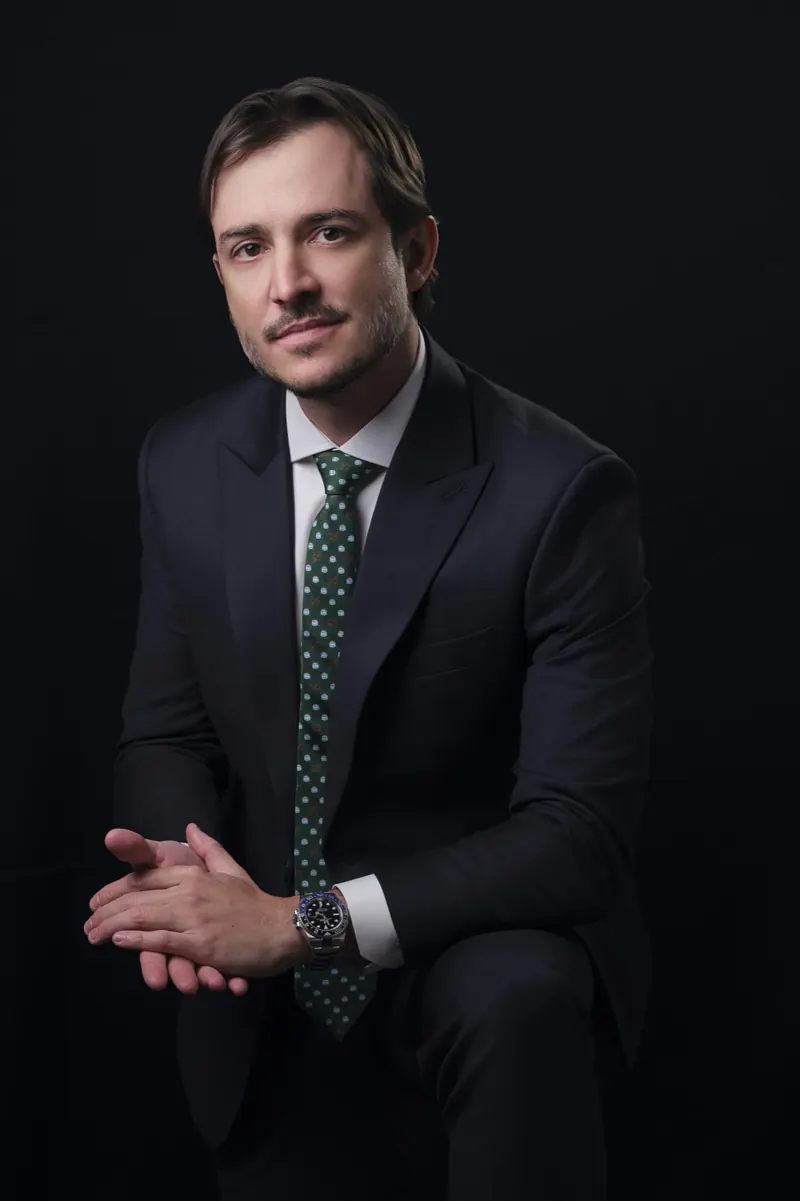
Dr. Sella is an otolaryngologist with a direct doctorate in morphophysiology of facial structures at HCFMRP-USP, certification by the European Board in Facial Plastic and Reconstructive Surgery, and published papers on dorsal preservation in Facial Plastic Surgery Clinics of North America. He has lectured as invited faculty in more than ten countries. The teaching style in the operating room follows the same logic as those papers: indications first, technique second.
An indicative week
The real calendar follows the surgical schedule of that specific week, so the grid below is illustrative rather than fixed.
| Day | Morning | Afternoon |
|---|---|---|
| Monday | Welcome, review of the week's cases, outpatient clinic | Outpatient clinic, photography and digital simulation |
| Tuesday | Operating room, one to two rhinoplasties | Continuation of the surgical program |
| Wednesday | Outpatient clinic, post-operative follow-ups | Nasal and skin ultrasound, surgical planning |
| Thursday | Operating room, one to two rhinoplasties | Case discussion and review of operative videos |
| Friday | Operating room or clinic | Closing discussion, references and reading list |
Follow-up visits are part of the value. Seeing a patient at day seven, at three months and at one year, in the same week, gives a sense of timeline that photographs alone do not convey.
What you are likely to see in the operating room
The case mix depends on the week, yet the technical repertoire is consistent:
- Dorsal preservation with push down and let down manoeuvres, the subject of several of the surgeon's publications on preservation rhinoplasty.
- Ultrasonic rhinoplasty with piezoelectric instruments for bone work, discussed in detail on the ultrasonic technique page.
- Structural grafting with septal, auricular and costal cartilage, including rib rhinoplasty when the septum is insufficient.
- Secondary and revision cases, which demand a different planning discipline.
- Functional work: septoplasty, turbinoplasty and valve correction, since the surgeon is an ENT who operates both function and shape.
- Pre-operative high-frequency skin ultrasound, used to assess skin thickness, previous fillers, old grafts, columellar vascularisation and rib selection.
- Use of the projectometer for intraoperative measurement.
Who the program is for
The weekly format is designed for qualified physicians: otolaryngologists, plastic surgeons and maxillofacial surgeons who already perform or are starting to perform rhinoplasty. Residents and fellows in their final years are considered case by case.
You do not need to speak Portuguese. Discussion happens in English, Spanish or Portuguese. Documentation of attendance can be issued in English or Spanish on request, which matters for surgeons who need proof of continuing education for their local boards.
How the formats compare
| Program | Duration | Participants | Hands-on dissection | Best suited for |
|---|---|---|---|---|
| Weekly mentorship | 1 week | 1 surgeon | No | Surgeons who want one-to-one observation and real clinic exposure |
| Preservation Week | 4 to 5 days | 5 to 6 surgeons | Yes, fresh cadaver and anatomical model | Surgeons who want live surgery plus a dissection lab |
| Annual fellowship | 12 months | Limited | Progressive | ENT surgeons building a rhinoplasty practice from the ground up |
| Mastering Preservation online | Self-paced | Open | No | Preparing before travelling or reviewing afterwards |
Preservation Week has already run six editions. The sixth, in November 2025, included surgeries every day, dissection on an anatomical model and a practice management module. Many visiting surgeons combine the online platform first, whose opening lesson is free in Portuguese, English and Spanish, then travel for the observership.
Practical logistics in Maringá
Maringá is in the north of Paraná state, southern Brazil. The city has an airport, MGF, with direct flights from São Paulo and Curitiba. Connections from Europe, North America and Latin America are usually made through São Paulo. Road access from the interior of São Paulo, Mato Grosso do Sul and Paraguay is straightforward.
Plan to arrive the day before the program starts. The clinic is at Av. Cidade de Leiria, 600, Zona 01, with parking next door. The team can indicate hotels within a short drive. Visa requirements depend on your nationality and should be checked with the Brazilian consulate in your country, since an observership is an educational visit rather than professional practice in Brazil.
Dates are limited because only one physician is hosted per week. Requests are usually made a few months in advance.
Getting in touch with Dr. Sella's team
If you want to confirm available weeks, eligibility and the documentation you will receive, contact the Sella Learning Center through WhatsApp at (44) 99167-2023 or by email at drguilhermesella@gmail.com. You can also read more about the surgeon's background on the profile page or browse the full teaching program. Each application is reviewed individually, and the final schedule depends on the surgical calendar of the chosen week.

Otorrinolaringologista e cirurgião facial · CRM-PR 33.018 · RQE 17.984. Doutor pela FMRP-USP, fundador do Sella Learning Center. Atualizado em 2026-10-15.
Perguntas frequentes
Can I operate during the observership in Brazil?
No. Medical practice in Brazil requires registration with a regional medical council, so visiting surgeons observe rather than operate on patients. Hands-on dissection is available in the cadaver and anatomical model sessions of the Preservation Week course.
How many surgeons attend each week?
Only one physician is hosted per week. The format is one-to-one, which allows discussion during the cases and direct access to the outpatient clinic.
Do I need to speak Portuguese?
No. The surgeon and the team work in Portuguese, English and Spanish, and teaching discussion can be conducted entirely in English or Spanish.
How many surgeries will I see in one week?
A typical week includes around five rhinoplasties and four outpatient clinic periods, though the exact number depends on the surgical calendar of that specific week.
Will I receive a certificate of attendance?
Yes. Documentation of attendance can be issued in English or Spanish on request, which is useful for continuing education requirements in other countries.
How far in advance should I book?
Because only one surgeon is hosted per week, dates are limited and requests are usually made a few months ahead through the Sella Learning Center WhatsApp or email.
What is the difference between the weekly mentorship and the Preservation Week course?
The weekly mentorship hosts a single visiting physician inside the routine of the practice, with around five rhinoplasties and four outpatient sessions. Preservation Week is a structured course of four to five days for a small group of five to six participants, with live surgeries, fresh cadaver dissection and theoretical modules. The mentorship is closer to daily clinical immersion, while the course follows a fixed curriculum. The team can help you decide which format fits your current stage.
Which techniques are usually shown during the week?
The surgical schedule normally includes dorsal preservation with push down or let down, ultrasonic rhinoplasty with piezoelectric instruments, structural grafting with septal, auricular or costal cartilage, and revision cases. Preoperative planning with high-frequency skin ultrasound and photographic simulation is also discussed in the clinic. The exact mix depends on the patients scheduled for that specific week, so the content varies.
Is the observership open to plastic surgeons as well as otolaryngologists?
The weekly mentorship has already received more than 50 physicians from both backgrounds, in Brazil and abroad. What matters is previous surgical training and an interest in rhinoplasty planning and execution. The twelve-month fellowship has different requirements and is directed at otolaryngologists. Send your profile to the Sella Learning Center so the format can be matched to your experience.
How do I get to Maringá and how many days should I stay?
Maringá has an airport with direct flights from São Paulo and Curitiba, which makes the connection from international arrivals straightforward. Most visiting physicians arrive one day before the program starts and leave after the last outpatient session. The team can guide you on accommodation close to Clínica Renassance. Arrangements are discussed in advance by WhatsApp with the Sella Learning Center.
Fale com a equipe do Sella Learning Center
Fellowship, mentoria, Preservation Week e plataforma online.