

How to apply for a rhinoplasty fellowship in Brazil.
Four training formats, one teaching structure: a 12-month fellowship, a weekly mentorship, the Preservation Week course and an online platform. Here is what each one requires and how physicians apply.
To apply, contact the Sella Learning Center directly by WhatsApp at +55 44 99167-2023 or by email at drguilhermesella@gmail.com, saying which format you want: the 12-month fellowship, the weekly mentorship, the Preservation Week course, or the Mastering Preservation online platform. Send your CV, your specialty certificate and two preferred date windows. Teaching takes place in Maringá, Paraná, and the team works in Portuguese, English and Spanish. Dr. Guilherme Sella confirms availability case by case, because in-person groups are deliberately small. Foreign physicians attend as observers, with hands-on work on cadaver and anatomical models.
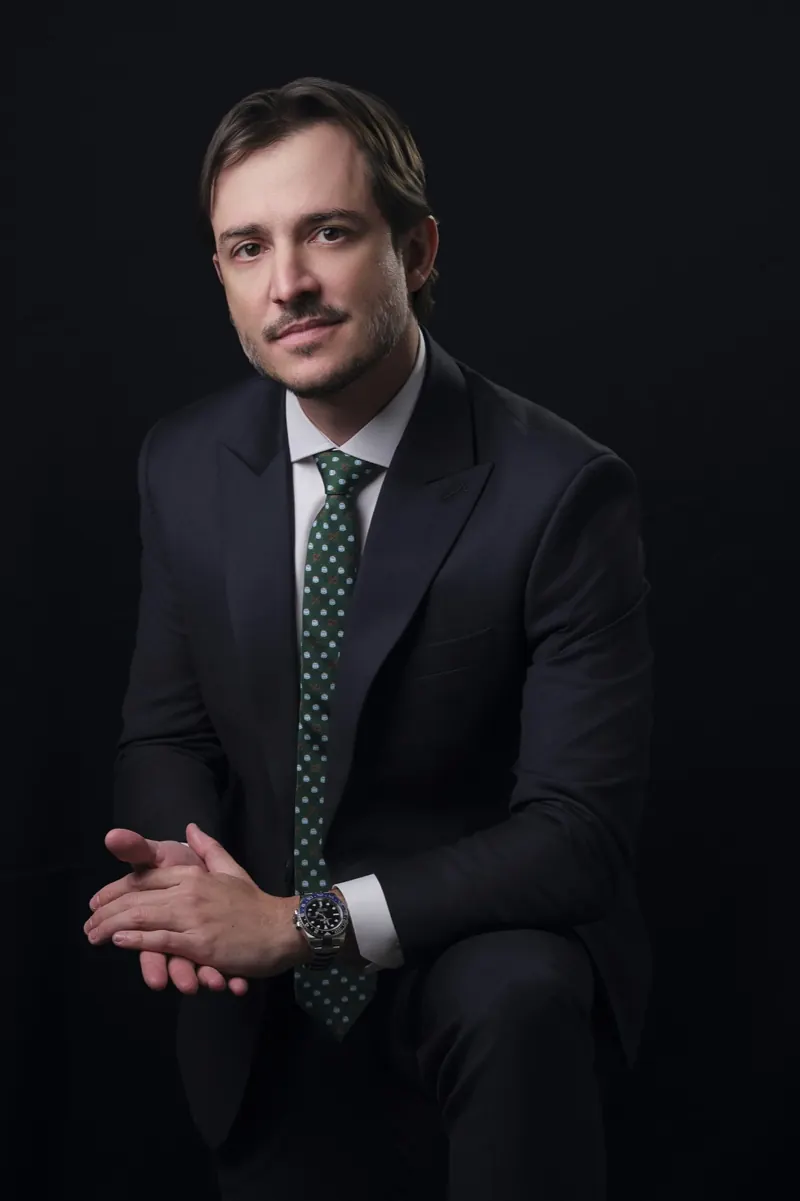
Four ways to learn rhinoplasty in Maringá
The Sella Learning Center runs four distinct formats. They differ in length, in how much operating room time you get and in who can enrol. Choosing the right one before you write to the team saves weeks of back and forth.
| Format | Duration | Group size | What you do |
|---|---|---|---|
| Annual fellowship | 12 months | 1 fellow | Full surgical and office routine, research, teaching |
| Weekly mentorship | 1 week | 1 to 2 physicians | Around 5 surgeries and 4 office sessions |
| Preservation Week | 4 to 5 days | 5 to 6 participants | 5 live surgeries, cadaver and model dissection, theory |
| Mastering Preservation | Online, on demand | Unlimited | Structured video lessons, first class free |
All in-person formats happen at the Renassance clinic in Maringá and at Saine Health Complex, the hospital where the surgeries are performed. The teaching focus is dorsal preservation, ultrasonic rhinoplasty with piezoelectric instruments, structural grafting and revision cases, which are also the subjects of the published articles signed by the surgeon in international journals.
Who can apply, and what is required
The baseline requirement for every in-person format is the same: you must be a physician, with a medical degree already completed. Beyond that, each format has its own profile.
- Annual fellowship: open to otorhinolaryngologists who have finished residency and hold Brazilian medical registration. The certificate is issued with the endorsement of the Brazilian Academy of Facial Plastic Surgery and the Brazilian Association of Otorhinolaryngology.
- Weekly mentorship: open to ENT surgeons, plastic surgeons and maxillofacial surgeons, including physicians from other countries. More than fifty doctors have already gone through this format.
- Preservation Week: same audience as the mentorship, with places limited to five or six participants per edition.
- Mastering Preservation: open to any physician or resident, anywhere, with the first lesson available free in Portuguese, English and Spanish.
One point needs to be stated clearly. In Brazil, operating on patients requires registration with a regional medical council. Visiting physicians therefore attend the operating room as observers. Hands-on dissection is done on fresh cadaver or anatomical models, which is where surgical gestures are practised.
The 12-month fellowship: what the year looks like
The fellowship is a full year inside the practice. The fellow follows consultations from the first assessment through to late follow-up, which is where most of the learning in rhinoplasty actually happens. You see the same nose at one week, one month, six months and one year.
The year covers:
- Preoperative analysis, standardised photography and digital simulation.
- High frequency dermatological ultrasound of the nose, used to assess skin thickness, previous fillers, old grafts and columellar vascularity. The same tool guides rib selection in structural cases.
- Operating room time across primary, preservation, ultrasonic, functional and revision rhinoplasty.
- Facial surgery exposure, including deep plane facelift, blepharoplasty, chin surgery and otoplasty.
- Academic work, with case documentation and participation in teaching activities.
There is one fellow per cycle, so applications are reviewed well in advance. Writing a year ahead is reasonable.
One week of mentorship: the fastest way to see the routine
The weekly mentorship is built for the surgeon who already operates and wants to compress observation into five working days. The week usually includes about five surgeries and four office periods.
Seeing the consultation is as important as seeing the operation. Indication, technique choice and the postoperative conversation are part of the same decision.
Most visiting physicians choose this format because it fits a short trip. You arrive on Sunday or Monday, spend the week in theatre and clinic, and discuss cases directly with the surgeon between procedures. Dates are confirmed according to the surgical schedule, so flexibility on your side increases the chance of a quick confirmation.
Preservation Week: live surgery and dissection
Preservation Week, also run as the Preservation Ultrasonic Rhinoplasty Course, has already reached six editions. The sixth took place in November 2025, with surgery every day, dissection on an anatomical model and a module on practice management and marketing.
The structure of each edition is consistent:
- Four to five days of activity.
- Five live surgeries, discussed step by step.
- Fresh cadaver or anatomical model dissection.
- Five to six participants, which keeps the discussion close to the table.
- Theory sessions on push down and let down, piezoelectric osteotomies, ligament preservation and when preservation is not the right choice.
Because the group is small, editions fill early. Ask for the next date when you first contact the team.
Language, travel and getting to Maringá
The team works in Portuguese, English and Spanish, and the surgeon teaches in all three. He has lectured as invited faculty in more than ten countries, including Turkey, the United States, Spain, Mexico, Peru, Argentina and Ecuador, and his congress activity is listed on the site.
Practical points for international applicants:
- Maringá has its own airport, code MGF, with direct flights from São Paulo, both Guarulhos and Congonhas, and from Curitiba.
- Most visitors connect through São Paulo on the same day.
- Check visa requirements for Brazil according to your nationality. Observation activity is academic, and the team can issue an invitation letter in English or Spanish when your institution or consulate requires one.
- The clinic is at Av. Cidade de Leiria, 600, Zona 01, and the hospital is a short drive away.
- The team can suggest hotels close to both addresses.
How to apply, step by step
- Decide which format fits your stage and your calendar.
- Send a message to the Sella Learning Center WhatsApp, +55 44 99167-2023, or write to drguilhermesella@gmail.com.
- Include your full name, country, specialty, year of completion of residency and a short CV.
- State two preferred date windows, and whether you need an invitation letter.
- Wait for confirmation of availability and the enrolment instructions for that format.
- If you want to study before travelling, start with the free first lesson of Mastering Preservation.
The teaching contact is separate from the patient contact on purpose. Messages about courses go to the number above, so that scheduling for physicians and for patients do not compete.
When to contact the team
Contact the Sella Learning Center when you have decided on a format and have at least two possible date windows. For the annual fellowship, write as early as possible, since there is a single place per cycle. For the weekly mentorship and Preservation Week, confirmation depends on the surgical calendar of that period. If you are still deciding, the pages on teaching and on Dr. Guilherme Sella describe the content and the background behind each programme.

Otorrinolaringologista e cirurgião facial · CRM-PR 33.018 · RQE 17.984. Doutor pela FMRP-USP, fundador do Sella Learning Center. Atualizado em 2026-10-15.
Perguntas frequentes
Can a foreign physician operate during the fellowship or mentorship in Brazil?
No. Operating on patients in Brazil requires registration with a regional medical council. Visiting physicians attend the operating room as observers, and hands-on practice is done on fresh cadaver or anatomical models.
Do I need to speak Portuguese?
No. The team works in Portuguese, English and Spanish, and teaching is delivered in the language agreed with the participants of each group.
Is the fellowship open to plastic surgeons and maxillofacial surgeons?
The 12-month fellowship is designed for otorhinolaryngologists with Brazilian medical registration. Plastic surgeons and maxillofacial surgeons are welcome in the weekly mentorship and in Preservation Week.
How far in advance should I apply?
For the annual fellowship, apply as early as possible, since there is one place per cycle. For the weekly mentorship and Preservation Week, dates depend on the surgical schedule and groups are limited to five or six participants.
Which contact should I use for courses?
Use the Sella Learning Center WhatsApp, +55 44 99167-2023, or the email drguilhermesella@gmail.com. That channel is dedicated to physicians, separate from patient scheduling.
Can I receive an invitation letter for a visa or for my institution?
Yes. The team issues documentation in English or Spanish when requested, confirming the dates and the academic nature of the activity.
What documents do I need to send with my application?
Send your CV, a copy of your medical degree or specialty certificate and two preferred date windows. If you are applying for the annual fellowship, include proof of completed otorhinolaryngology residency and Brazilian medical registration. The team at the Sella Learning Center reviews each application individually and replies with the available dates.
What is the difference between the weekly mentorship and Preservation Week?
The weekly mentorship is an individual format, with one or two physicians following around five surgeries and four office sessions during the week. Preservation Week is a structured course for five or six participants, with live surgeries, fresh cadaver and anatomical model dissection, theory sessions and a management module. The mentorship is closer to everyday clinical routine, while the course follows a fixed programme.
Do I get a certificate at the end of the course?
Yes. The annual fellowship certificate is issued with the endorsement of the Brazilian Academy of Facial Plastic Surgery and the Brazilian Association of Otorhinolaryngology. For the shorter in-person formats, the Sella Learning Center issues attendance documentation, and the team can prepare it in English or Spanish when your institution requires it.
How do I get to Maringá and where do participants usually stay?
Maringá has its own airport, with direct flights from São Paulo and Curitiba, and the city is also reachable by road from inland São Paulo, Mato Grosso do Sul and Paraguay. Teaching takes place at the Renassance clinic and at Saine Health Complex, both in the city. The team can suggest hotels close to the clinic once your dates are confirmed.
Fale com a equipe do Sella Learning Center
Fellowship, mentoria, Preservation Week e plataforma online.