

Why surgeons travel to Brazil to train in rhinoplasty.
Brazil combines high surgical volume, an established teaching tradition and clinics open to visiting doctors. Here is what an international surgeon actually sees, learns and should prepare before travelling.
Surgeons train in Brazil in rhinoplasty for three practical reasons. First, volume: Brazil is consistently among the countries with the highest number of aesthetic procedures, so a visiting doctor sees many cases in a short period. Second, the dorsal preservation school, with Brazilian authors publishing on push down, let down and expanded indications. Third, a live surgery culture: clinics routinely host observers in the operating room and in consultation. In Maringá, Dr. Guilherme Sella receives visiting physicians through the Sella Learning Center, with structured observation, cadaver dissection and case discussion in Portuguese, English or Spanish.
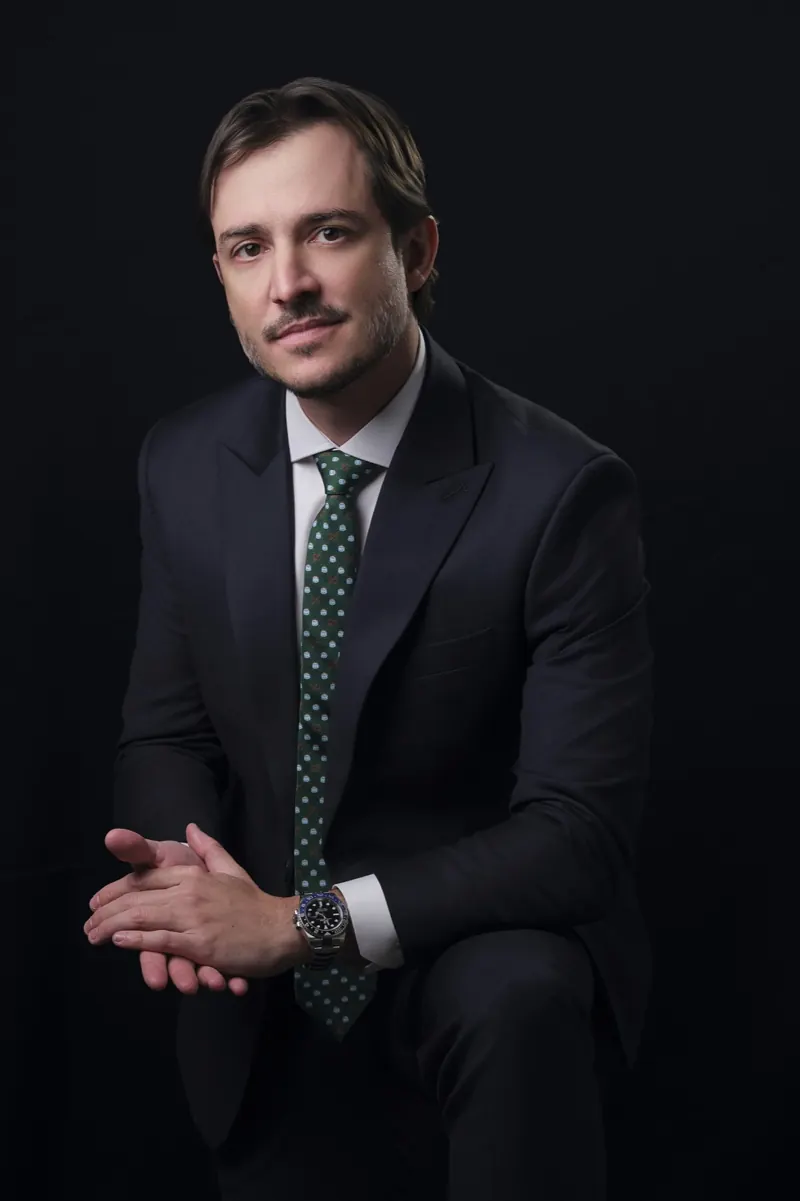
What makes Brazil a training destination for rhinoplasty
Brazil has a long surgical tradition in facial surgery, shaped by the school of Ivo Pitanguy and by decades of residency programmes in plastic surgery and otolaryngology. According to ISAPS surveys, the country is consistently among those with the highest volume of aesthetic procedures in the world. For a visiting surgeon, volume is not an abstract statistic. It means that a single week of observation can include several primary rhinoplasties, a revision case, a functional nasal procedure and a full clinic day of consultations and follow-ups.
Medicine in Brazil is regulated by the Conselho Federal de Medicina. Specialist titles are registered as an RQE number, which can be checked publicly on the state medical council website. This matters when you are choosing where to spend your time and money: you can verify the credentials of the surgeon you intend to observe before booking a flight.
Another factor is openness. Brazilian surgeons tend to teach in a direct, demonstrative way. Operating rooms are often shared with residents, fellows and visitors, and discussion during surgery is expected rather than discouraged.
The preservation school and its Brazilian chapter
Dorsal preservation changed the way many surgeons think about the nasal dorsum. Instead of resecting the hump and rebuilding the roof, the dorsal aesthetic lines are kept and the dorsum is lowered through the bony base, using push down or let down manoeuvres.
Brazil has an active role in this discussion. Brazilian authors have contributed chapters and articles on indications, complications and technical variations. Dr. Sella is a co-author of papers in Facial Plastic Surgery Clinics of North America on the Brazilian approach to dorsum preservation and on expanding indications to dorsal preservation rhinoplasty, as well as an article on avoiding complications in Facial Plastic Surgery. The full list is available in publications.
For a visiting surgeon, the relevant point is that preservation is not presented as a universal solution. Teaching focuses on case selection: which dorsum can be preserved, when a structural approach makes more sense, how to handle deviated dorsums, and what to do when preservation fails. You can read a patient-oriented overview in preservation rhinoplasty and compare it with structural rhinoplasty.
Live surgery culture: what you actually see
Live surgery in Brazil is usually part of routine practice rather than a staged event. In Maringá, observation happens inside a regular surgical schedule, with patients who consented to the presence of visiting physicians.
A typical observation period includes:
- Preoperative analysis: standardised photography, digital simulation, external and internal nasal examination, and high frequency dermatological ultrasound to assess skin thickness, previous fillers, grafts and columellar vascularity.
- Operating room time: ultrasonic osteotomies with a piezoelectric instrument, preservation manoeuvres, ligament preserving tip work, septal, auricular and costal grafting in selected cases.
- Clinic sessions: first consultations, surgical planning, postoperative visits at different stages, and revision cases discussed openly.
- Debriefing: review of videos, markings and decisions after the surgical day.
Seeing the same surgeon decide, operate and then follow the patient over months is usually more useful than watching isolated edited videos.
Who comes and what they are looking for
The Sella Learning Center receives otolaryngologists, plastic surgeons and maxillofacial surgeons. More than fifty physicians have already attended the weekly mentorship format. The profiles vary:
- Surgeons who already perform structural rhinoplasty and want to add preservation to their repertoire.
- Surgeons starting in ultrasonic rhinoplasty who want to see piezoelectric instruments used in real time.
- Functional rhinologists who want to integrate septoplasty, turbinate surgery and valve repair with aesthetic planning, as described in functional rhinoplasty.
- Surgeons facing an increasing number of revision cases and looking for a structured way to plan them.
Training formats available in Maringá
| Format | Duration | Profile | What it includes |
|---|---|---|---|
| Fellowship | 12 months | Otolaryngologists | Full immersion in clinic and operating room, certification linked to ABCPF and ABORL-CCF |
| Weekly mentorship | 1 week | Surgeons of any of the three specialties | Around 5 surgeries and 4 clinic sessions, case discussion |
| Preservation Week | 4 to 5 days | Small group of 5 to 6 surgeons | 5 live surgeries, fresh cadaver dissection, anatomical model work, practice management module |
| Mastering Preservation | Online, self paced | Any surgeon | Structured video course, first lesson free in Portuguese, English and Spanish |
Preservation Week has already had six editions, the sixth in November 2025. Group size is intentionally small so that each participant stays close to the operative field.
Hands-on technical practice happens on fresh cadaver and anatomical models. Clinical activity with patients is observational, which follows Brazilian regulations for visiting physicians without local registration.
How to prepare before you travel
Training time is short, so preparation changes the outcome. A few suggestions from surgeons who have already attended:
- Review the anatomy of the keystone area, the bony vault and the septal attachments before arriving.
- Watch introductory material on push down and let down so that operating room time is spent on nuance, not on basics.
- Bring two or three of your own cases, with photographs and, if possible, video, to discuss during clinic breaks.
- Define one specific goal. Learning osteotomy with a piezoelectric device is a goal. Learning rhinoplasty is not.
- Decide in advance how you will implement what you see. Equipment, anaesthesia team and patient selection all need to be arranged at home.
Practical logistics: Maringá, language and travel
Maringá is in the north of Paraná state. The local airport, MGF, has direct flights from São Paulo and Curitiba, and the city is also accessible by road from the interior of São Paulo, Mato Grosso do Sul and Paraguay. Surgeries take place at a private hospital in the city, and consultations at Clínica Renassance, in Zona 01.
Teaching and discussion are available in Portuguese, English and Spanish. Letters of invitation and attendance certificates can be issued in English or Spanish when requested. Most visitors come on a tourist or business visa for observation activities, and you should confirm the requirements for your nationality with the Brazilian consulate in your country.
Dates are limited because the teaching calendar runs alongside a regular surgical practice. The international congress agenda is listed in lectures and congresses, and the full teaching structure in education.
When to contact Dr. Sella
If you are a physician considering a period of observation or a course in Brazil, contact the Sella Learning Center directly through the channel reserved for doctors. Tell the team your specialty, your current rhinoplasty volume and what you want to take home. Availability, format and schedule are discussed case by case, and the agenda for courses and mentorship weeks is defined in advance.

Otorrinolaringologista e cirurgião facial · CRM-PR 33.018 · RQE 17.984. Doutor pela FMRP-USP, fundador do Sella Learning Center. Atualizado em 2026-10-15.
Perguntas frequentes
Do I need to speak Portuguese to train in Brazil?
No. Teaching, operating room discussion and case review can be conducted in English or Spanish. Certificates and invitation letters can also be issued in those languages on request.
Can a visiting surgeon operate on patients in Brazil?
No. Without Brazilian medical registration, clinical activity is observational. Hands-on technical practice is done on fresh cadaver specimens and anatomical models during courses.
How long should I stay to make the trip worthwhile?
The weekly mentorship format covers about five surgeries and four clinic sessions, which is usually enough for a focused goal. Preservation Week runs four to five days with live surgery and dissection. Deeper immersion requires the twelve month fellowship.
Is the fellowship open to plastic and maxillofacial surgeons?
The twelve month fellowship is structured for otolaryngologists, with certification linked to ABCPF and ABORL-CCF. Plastic surgeons and maxillofacial surgeons are received in the weekly mentorship and in the course formats.
Is dorsal preservation taught as a replacement for structural rhinoplasty?
No. Teaching focuses on case selection and on combining both approaches, including when preservation is not indicated and when structural grafting is the safer plan.
What visa do I need to attend a course or observation week?
Observation and course attendance usually fall under tourist or business entry, but requirements depend on your nationality. Confirm with the Brazilian consulate in your country and request an invitation letter in advance.
How do I verify a Brazilian surgeon's credentials before booking a trip?
Medicine in Brazil is regulated by the Conselho Federal de Medicina, and each specialist title is registered as an RQE number linked to the doctor's CRM. You can check both on the state medical council website before you travel. Dr. Sella holds CRM-PR 33.018 and RQE 17.984, with the specialist title in Otolaryngology granted by ABORL-CCF.
What is the difference between the weekly mentorship and the Preservation Week course?
The weekly mentorship places one visiting doctor inside the routine of the practice, with around five surgeries and four consultation periods in the same week. The Preservation Week runs four to five days with five live surgeries, fresh cadaver dissection and a small group of five to six participants. Which format fits you depends on your experience and what you want to observe, and the Sella Learning Center team can help you decide.
Can I observe consultations as well as surgery?
Yes. Case selection, photographic documentation, digital simulation and nasal ultrasound are discussed in the consultation room, not only in the operating theatre. Visiting physicians follow full clinic days in Maringá, which is often where the reasoning behind each surgical plan becomes clearest.
Is cadaver dissection included and how is it organised?
The Preservation Ultrasonic Rhinoplasty Course includes dissection on a fresh anatomical specimen, with a small number of participants so each one works hands on. The dissection module covers the manoeuvres discussed during the live surgeries, including the bony base work used in push down and let down. Availability and dates are confirmed directly with the Sella Learning Center.
Fale com a equipe do Sella Learning Center
Fellowship, mentoria, Preservation Week e plataforma online.